
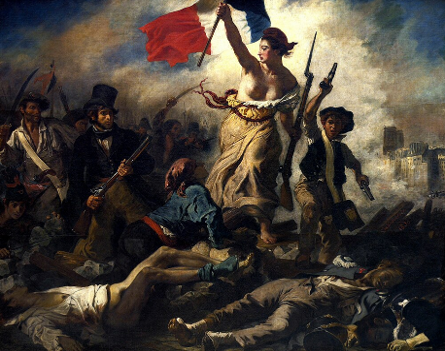
Overview[1]
The role of women in revolutionary movements throughout history has been both significant and complex, stretching from the French Revolution to the Arab Spring. Despite their pivotal contributions, the recognition of women’s roles in these historical upheavals often remains overshadowed by their male counterparts. This paper seeks to explore the multifaceted participation of women in revolutionary movements. It will highlight their contributions, the challenges they faced, and the outcomes of their involvement in terms of social and political change.
In the French Revolution, women took to the streets demanding not only food but also political rights. My analysis will trace the evolution of women’s roles through major revolutions, including the Russian Revolution of 1917, the anti-colonial struggles in Vietnam, and the recent wave of the Arab Spring. Each of these revolutions provides a distinct context in which women’s roles can be examined for both their immediate impact and their longer-term implications on gender roles within society.
Throughout history, women’s active participation in revolutionary movements has been a critical yet under-recognised force, shaping the outcomes of these revolutions and influencing the trajectory of women’s rights movements in various historical and cultural contexts.
Importance of Studying Women’s Roles in Revolutionary Movements
Understanding the roles of women in revolutionary movements is not merely an exercise in filling in historical gaps. It is a critical endeavour that reshapes our entire perspective on past and present social dynamics. Historically, narratives of revolutions have predominantly focused on the actions and experiences of men, often side lining or completely ignoring the contributions and experiences of women. This omission not only distorts our understanding of historical events but also perpetuates a biased view that undervalues the contributions of half the human population.
To fully understand the roles of women in revolutionary movements, it’s crucial to examine the broader historical and social transformations. This helps correct historical oversights and fosters a more equitable recognition of women’s enduring contributions to social change. Acknowledging their integral role in revolutions not only informs current and future gender rights advocacy but also reinforces the truth that women have always been—and will continue to be—crucial to shaping society.
Women’s active participation in revolutionary movements has been a critical yet under-recognised force, shaping the outcomes of these revolutions and influencing the trajectory of women’s rights movements in various historical and cultural contexts.

The Earliest Uprisings and Revolts
The role of women in revolutionary movements dates back to some of the earliest recorded uprisings and revolts in history. Women have often played crucial roles, both as leaders and as supporters of revolutionary causes. A few of the earliest examples of women’s involvement in revolutionary movements are:
The Egyptian Dynastic Change (16th Century BC)
Queen Ahhotep I was a key figure during the Second Intermediate Period in ancient Egypt, around the 16th century BC. She was instrumental in driving out the Hyksos[2] invaders and uniting Egypt, serving as regent and leading military efforts. She is often considered a forerunner of women involved in revolutionary change, as she helped restore Egyptian rule during a time of political instability.
The Reforms of Sparta (7th Century BC)
Spartan Women had a unique role in Spartan society, which was distinct from many other ancient Greek city-states. While not necessarily a revolutionary movement in the typical sense, Spartan women exercised significant influence, particularly during the reforms instituted by Lycurgus[3]. Women in Sparta were encouraged to be physically strong and assertive, playing key roles in maintaining the social and political order of the state, and sometimes influencing policy indirectly through their power within the family unit and in societal rituals.
The Roman Republic’s Early Revolts (circa 3rd Century BC)
During the early centuries of the Roman Republic, plebeians (the lower class) revolted against patricians (the ruling class), seeking political equality. Women, though typically not allowed in official political spheres, contributed to these efforts in various ways. For example, women were involved in economic boycotts, especially when protesting heavy taxes or the harsh conditions their families were subjected to. Though their roles were often more indirect, Roman women sometimes influenced men in power or led social movements that created the conditions for wider reform.
The Revolt of the Maccabees (167–160 BC): Jewish Women in the Maccabean Revolt
During the revolt led by the Maccabees against the Seleucid Empire[4], Jewish women played a key role in resisting the Hellenistic influence imposed on Jewish society. One notable figure is Hannah (or Channah), often referenced in Jewish texts as a mother who, along with her seven sons, stood against religious oppression and martyrdom. Although not a typical military revolutionary, she became a symbol of resistance and sacrifice, embodying the values that fuelled the Maccabean cause.
The Trung Sisters’ Revolt (40 AD)
The Trung Sisters, Trung Trac and Trung Nhi, led a rebellion against Chinese rule in Vietnam in 40 AD. The sisters, daughters of a Vietnamese noble family, raised an army and succeeded in briefly driving the Chinese out of their territory. They ruled as queens of an independent Vietnam for several years before the Chinese reconquered the region. The Trung Sisters are national heroines in Vietnam and are celebrated as early symbols of Vietnamese resistance to foreign domination.

Boudica’s Revolt (60–61 AD)
Boudica (or Bodicea or Boadica), the queen of the Iceni tribe in ancient Britain, led one of the most famous revolts against the Roman Empire. After the Romans annexed her kingdom and mistreated her family, Boudica rallied the Iceni and other tribes in a rebellion that initially saw significant success. Her uprising caused widespread damage to Roman settlements, and although ultimately unsuccessful, Boudica is remembered as one of the earliest examples of a woman leading a large-scale revolutionary movement against an imperial power.
The Yellow Turban Rebellion (184 AD)
Zhang Liang’s Wife (or the women of the Zhang clan): During the late Han Dynasty, the Yellow Turban Rebellion was a peasant-led revolt against the corruption of the Han government. While the leaders of the rebellion were Zhang Jue and his brothers, women from their families also took active roles in organizing and supporting the rebellion. The role of women in Chinese peasant revolts often involved logistics, healing, and even direct combat, though the historical records are less detailed on specific individuals. Their participation in these movements helped sustain the broader revolutionary cause.
The Arab Revolt and Queen Zenobia (3rd Century AD)
Zenobia, Queen of the Palmyrene Empire (modern-day Syria), led a revolt against the Roman Empire in the 3rd century AD. Zenobia successfully expanded her empire across much of the Eastern Roman territories, creating a powerful alternative to Roman rule. Though ultimately defeated by Emperor Aurelian, she became a symbol of resistance against foreign domination and a powerful example of a woman leading a revolutionary movement.
Hypatia of Alexandria (4th to 5th Century AD)
Hypatia, though not a revolutionary in a militant sense, was a philosopher, mathematician, and astronomer in Alexandria during a time of great social and religious upheaval. Her intellectual leadership and defiance of the rising Christian orthodoxy in favour of secular philosophy led to her brutal assassination. She has since been seen as a martyr for free thought and a symbol of resistance against authoritarianism in the intellectual and scientific realms.
The Fall of Rome and Barbarian Invasions (5th Century AD)
Galla Placidia, daughter of the Roman Emperor Theodosius I, played a complex and influential role during the final years of the Western Roman Empire. She was captured by the Visigoths, married their king, and later returned to Roman politics, where she wielded significant power as regent for her son, Emperor Valentinian III. While her actions weren’t revolutionary in the typical sense, her life represents the turbulent political shifts of the time and how women could navigate, influence, and even lead during periods of upheaval.
These early examples illustrate how women have been involved in revolutionary movements for millennia, often leading or significantly influencing revolts against political, social, or colonial oppression. Their roles, though sometimes overlooked in traditional historical accounts, were pivotal in many instances, whether through direct leadership, strategic support, or inspiring others to continue the fight.
My paper will now look at the role that women have played in revolutionary movements in different places and time zones. I have provided details for countries that the revolutionary actions of women have transformed, but before that, there is a passage about Suffragettism.
Suffragettism
Suffragettism is the name given to the movement centred on advocating women’s right to vote, particularly through the actions and ideologies associated with the suffragettes. The term suffragette was specifically used to describe members of the women’s suffrage movement in the United Kingdom, though it has since been used more broadly to refer to activists around the world who fought for women’s voting rights.
Historical Background
The suffragette movement in the UK was part of a larger women’s suffrage movement that spanned many countries. In Britain, it became notable in the late 19th and early 20th centuries. The term was coined by the Daily Mail newspaper in 1906 as a derogatory label for members of the Women’s Social and Political Union (WSPU), but it was embraced by the women it described, who used it to signify their activism.
WSPU became the most well-known group advocating for women’s suffrage in the country during the early 20th century.

Key Figures and Organisations
The WSPU, founded by Emmeline Pankhurst and her daughters Christabel and Sylvia in 1903, was central to the suffragette movement in Britain. Unlike the suffragists who used peaceful methods to achieve their goals, the suffragettes employed more militant tactics. These included chaining themselves to railings, staging hunger strikes, and even committing acts of arson and vandalism to draw attention to their cause.
Comparisons: Suffragists and Suffragettes
The suffragists’ peaceful and lawful methods included lobbying, petitions, and public speaking, whereas the suffragettes believed that more dramatic actions were necessary to force the issue of women’s suffrage into the public and political spotlight.
Militant Tactics of the Suffragettes
- Chaining Themselves to Railings: This was a symbolic and public act of protest. Suffragettes would chain themselves to government buildings, parliamentary railings, or public spaces to draw attention to their cause and demonstrate their determination to be “heard” by political leaders.
- Hunger Strikes: When suffragettes were imprisoned, many of them resorted to hunger strikes as a form of protest. This created a significant dilemma for authorities, who responded by force-feeding the women—a controversial and brutal practice that garnered widespread sympathy for the suffragettes.
- Acts of Arson and Vandalism: In their more militant phases, the suffragettes carried out acts of vandalism, such as smashing windows, cutting telephone lines, and damaging public buildings. Some members of the WSPU even committed acts of **arson**, setting fire to unoccupied buildings and mailboxes to disrupt public life and gain attention for their cause.
Philosophy and Tactics
The suffragettes believed that aggressive tactics would be more effective in achieving their goals than the peaceful protests and advocacy of the suffragists. Their motto, Deeds, not words, reflected their commitment to taking direct action. They targeted symbols of male power and authority to shock the public and lawmakers into paying attention to their demands.
Impact and Legacy
The suffragette movement was crucial in changing public perceptions about women and their place in society. Their actions not only stimulated debate but also helped shift public opinion in favour of women’s suffrage. In the UK, the Representation of the People Act 1918 granted voting rights to women over the age of 30 who met certain property qualifications. This was extended in 1928 to all women over the age of 21, equalising the voting age with men.
Globally, the legacy of the suffragettes has inspired numerous movements for gender equality. Their determination and the effectiveness of their campaign strategies have been studied and emulated by various human rights activists and groups throughout the 20th and 21st centuries.
The suffragettes are remembered not just for their methods but for their role in the broader narrative of women’s rights movements, highlighting the lengths to which people have gone to fight for equality and the impact such actions can have on legal and societal reforms.
Militant Activism
Militant activism refers to the use of confrontational or direct actions in pursuit of political or social goals, often by groups or individuals who believe that traditional methods of advocacy are ineffective. This form of activism can include tactics such as protests, strikes, or acts of civil disobedience that are designed to disrupt normal activities and draw public attention to a cause. Militant tactics have been employed by various movements, including the suffragettes in the early 20th century, who used arson and vandalism to fight for women’s voting rights.

Forty-year-old Emily Wilding Davison[5], a militant activist who was a member of the Women’s Social and Political Union (WSPU), tragically died after being struck by King George V’s horse, Anmer, at the Epsom Derby on 4th June 1913. Davison was a key figure in the British suffragette movement, known for her extreme tactics that included hunger strikes and arson. Her death remains one of the most remembered events in the history of the suffrage movement.
During the Derby, she ran onto the track during the race and was hit by the King’s horse, which was also brought down in the collision. The exact intentions of her actions remain unclear, though some speculate that she was attempting to attach a suffragette sash to the horse. Davison suffered severe injuries and died four days later, on 8th June 1913. Her funeral, organised by the WSPU, was marked by a large procession and drew significant public attention. Emily Davison is often hailed as a martyr for women’s rights, and her death highlighted the desperate measures to which some activists would go to secure the vote for women.
Women in the French Revolution
Historical discussions have intensified since the late 20th century about the role of women in the French Revolution and its impact on them. Before the revolution, women were “passive” citizens with no political rights, dependent on men’s decisions. This changed as feminism gained momentum in Paris amidst broader calls for political reform. Women pushed for equality and the end of male domination, using pamphlets and women’s clubs as their platforms. However, by October 1793, the Jacobin regime[6] had shut down these clubs and arrested their leaders, as detailed in the comprehensive historical analyses of the period. Factors like wartime emphasis on masculinity, Marie Antoinette’s negative influence, and entrenched male supremacy played roles in this crackdown. A decade later, the Napoleonic Code[7] cemented women’s subordinate status.
The revolution sparked the modern feminist movement, influencing global rights movements and laying foundational ideas for modern feminism by challenging traditional gender roles and promoting universal equality.
Traditional Gender Roles Before the Revolution
Pre-revolutionary French women, unable to vote or hold office, were deemed incapable of participating in government decisions. Under male definitions of political categories, they endured systemic oppression. While women had some legal rights in courts and could engage in contractual relationships, their familial and property rights were severely restricted. Under paternal authority until marriage and then under their husbands’ authority, they had limited economic opportunities and were confined to low-wage labour. The role of women was largely domestic – focused on nurturing future citizens, with any public involvement limited to specific classes like noblewomen or religious orders.
Revolutionary Roles and Feminist Agitation
As the revolution unfolded, women actively engaged, making public oaths and partaking in political actions. Figures like Pauline Léon[8] and Théroigne de Méricourt[9] championed women’s full citizenship, although official rights remained elusive. Women’s militant activism was highlighted during events like the Women’s March on Versailles, but their political clubs were ultimately disbanded by the Jacobins[10], who reinforced traditional gender roles and excluded women from political life by the end of October 1793.
Impact on Subsequent Women’s Movements
Despite the setbacks, the revolution inspired successive feminist movements, contributing to global changes like New Zealand’s suffrage bill. The period set a precedent for women’s political participation, paving the way for future feminist advocacy.

Women’s Roles in the American Revolution
Women played crucial roles in the American Revolution and the War for Independence. Figures like Abigail Adams[11] and Mercy Otis Warren[12] influenced political thought and action. Abigail Adams famously reminded her husband, John Adams, to consider women’s rights in the new government, while Warren documented the events around Boston and supported the patriot cause through her writings, including a detailed history published in 1805.
Many women, known as camp followers, supported the Continental Army by managing domestic tasks and sometimes participating directly in battles. Mary Ludwig Hays[13], also known as Molly Pitcher, became famous at the Battle of Monmouth in 1778 for taking over her wounded husband’s artillery duties. Similarly, Margaret Corbin[14] fought and was severely wounded in the Battle of Fort Washington, later becoming the first American woman to receive a military pension.
Phillis Wheatley[15], an enslaved African American poet in Boston, gained recognition as one of America’s first published female authors. Her poems, which included praises for George Washington, emphasised patriotism and virtues, contributing to the revolutionary spirit. Sybil Ludington[16], often referred to as the female Paul Revere, made a significant ride in 1777 to rally militia against a British attack, her efforts commemorated by a statue in Carmel, New York. The narrative of Betsy Ross[17] sewing the first American flag is widely questioned, with substantial evidence suggesting it emerged as a legend around the 1876 Centennial.
Women close to military leadership, like Lucy Knox[18] and Martha Washington[19], provided critical support at encampments such as Valley Forge, offering care to sick and wounded soldiers, paralleling the roles played by common soldiers’ wives. Ordinary women also experienced the direct impacts of war, like Sally Kellogg[20] of Vermont, whose family endured the battles of Lake Champlain and Bennington. Deborah Sampson[21] notably disguised herself as a man to fight in the Continental Army, sustaining injuries and later receiving a military pension. A statue in Sharon, Massachusetts, honours her service.
Throughout the Revolutionary Era, particularly period during the late 18th century, women from diverse backgrounds actively supported the cause, demonstrating their commitment to the emerging nation.

In Britain
The journey of women in Britain from passive participants to active contributors in society has been long and marked by numerous significant movements and milestones. This transition can be traced through several key phases:
Early Activism and the Suffrage Movement
The suffrage movement in the late 19th and early 20th centuries was a pivotal era for women in Britain. Spearheaded by groups like the Women’s Social and Political Union (WSPU), founded by Emmeline Pankhurst in 1903, the movement employed both peaceful and militant tactics to demand voting rights for women. The suffragettes, as they were known, organised marches, demonstrations and even resorted to more radical actions like arson and hunger strikes to draw attention to their cause. The movement faced significant opposition, and many of its members were arrested and imprisoned, where they often endured harsh treatment.

The Impact of Two World Wars
Both World Wars served as significant turning points for women’s roles in Britain. During World War I, with many men on the front lines, women took on roles that were previously considered beyond their capabilities, working in factories, driving ambulances, and serving in auxiliary military units. This exposure not only shifted public perceptions about women’s capabilities but also demonstrated their potential in professional and public life. World War II further solidified this change, as women’s participation in the war effort was crucial and widespread, from industrial work to military service in roles like the Women’s Royal Naval Service (WRNS) and the Women’s Auxiliary Air Force (WAAF).
Post-War Period and Second-Wave Feminism
After World War II, the focus on women’s rights shifted towards broader issues of equality in the workplace, education, and through legislation. The 1960s and 1970s saw the rise of second-wave feminism, which addressed issues beyond suffrage, such as equal pay, sexual and reproductive rights, and the fight against domestic violence. The Equal Pay Act of 1970 and the Sex Discrimination Act of 1975 were significant legislative achievements spurred by this movement. Organisations like the National Union of Women’s Suffrage Societies (NUWSS) transformed into new groups focused on a wider range of women’s rights.
Late 20th Century to Present
The late 20th century and early 21st century have seen a diversification of feminist movements within Britain, with third-wave and fourth-wave feminism focusing on issues of identity, intersectionality, and inclusivity. Campaigns have broadened to include the rights of minority and LGBTQ+ women, and the focus has expanded to challenge societal norms and cultural practices that discriminate against women. Digital activism has become a powerful tool, exemplified by movements like #MeToo[22], which has tackled sexual harassment and assault.
Educational and Health Reforms
Throughout the early to mid-20th century, British women were instrumental in advancing education and health reforms. Pioneers like Octavia Hill[23] worked tirelessly to improve urban housing conditions, while Josephine Butler[24] fought against the Contagious Diseases Acts, advocating for women’s health and moral agency. Their efforts laid the groundwork for modern social work and public health policies, highlighting women’s crucial roles in societal welfare.
Political Participation and Leadership
Following the achievement of suffrage, British women gradually increased their political participation, culminating in significant leadership roles. Margaret Thatcher, as the first female Prime Minister, epitomised the growing influence of women in British politics. Today, women continue to hold key positions across major political parties, shaping national policies and reform agendas. However, the path remains fraught with challenges related to gender bias and equal representation.
Cultural and Media Contributions
Women’s contributions to the British cultural sector and media have been profound. Writers like Virginia Woolf[25] and, more recently, J.K. Rowling[26] have influenced global literature, while broadcasters like the BBC’s Laura Kuenssberg[27] have paved the way for women in journalism. These contributions have not only enriched British culture but have also provided platforms for advocating social change and feminist perspectives.
Grassroots Movements
Grassroots movements led by women have effected change at community and national levels, addressing local injustices and spearheading campaigns on environmental issues and community development. For instance, the Greenham Common Women’s Peace Camp was a pivotal anti-nuclear protest in the 1980s that highlighted the power of women-led activism in shaping public policy and international discourse on peace and security.
Integration with Global Movements
British women have also played key roles in global feminist movements, contributing to international discussions and policies on women’s rights. The UK’s involvement in global initiatives, such as campaigns to end female genital mutilation and efforts to promote girls’ education worldwide, showcases how British activism has extended beyond its borders to champion gender equality on a global scale.
Contemporary Issues
Despite these advances, British women continue to navigate a complex landscape of new and persistent challenges. The backlash against feminist gains, debates within the movement about trans rights, and the intersectional issues of race, class, and gender highlight the ongoing struggle for a truly inclusive society. These challenges necessitate a continued commitment to feminist principles and a re-evaluation of strategies to ensure that no woman, regardless of her background, is left behind.
Today, feminist activism in Britain continues to evolve, tackling issues from gender pay gaps to political representation, climate change, and global women’s rights. Organisations and movements now use digital platforms to mobilise, educate, and advocate, bringing attention to ongoing inequalities and celebrating women’s achievements.
Contributions to Science and Technology
British women have also been pioneers in the scientific community, contributing ground-breaking work that has had lasting impacts on both science and society. Ada Lovelace[28], often celebrated as the first computer programmer, worked on Charles Babbage’s early mechanical general-purpose computer, the Analytical Engine. Her notes on the engine included what is recognised as the first algorithm intended to be processed by a machine, making her a pivotal figure in the history of computing. Another significant figure is Rosalind Franklin[29], whose work on X-ray diffraction was critical to understanding the molecular structures of DNA. Though her contributions were initially overlooked, and her data crucial to the discovery were used without her permission, Franklin’s work has since been recognised as fundamental to the understanding of DNA structure. Her story highlights not only her scientific achievements but also the challenges faced by women in science, particularly in terms of recognition and ethical treatment.
The stories of Lovelace and Franklin exemplify the crucial roles women have played in scientific advancements and underscore the need for equitable recognition in academic and professional fields. Their achievements and the obstacles they faced provide important context for ongoing discussions about gender equality in STEM fields[30]. By honouring their legacies, we inspire future generations of women scientists and emphasise the importance of integrity and equality in scientific research and recognition.
By incorporating these profiles, the narrative not only celebrates the historical contributions of British women in science but also addresses contemporary issues such as gender equity in STEM and the ethical dimensions of scientific recognition. This enhances the discussion by connecting past achievements with present challenges and aspirations in the ongoing journey toward gender equality. Throughout the phases I’ve mentioned, the narrative of British women has shifted dramatically—from the silent, passive figures of the Victorian era to the vocal, participative forces in contemporary society. Each period of activism has built on the past, with women continuously pushing the boundaries of the roles and rights available to them.
In Germany
The trajectory of women’s movements in Germany, moving from passivity to active participation in society, is deeply intertwined with the country’s complex history through the 20th century and beyond. Here’s an overview of the key phases in this evolution:
Early Women’s Movements and Suffrage
The women’s movement in Germany gained momentum in the late 19th and early 20th centuries. Feminists like Louise Otto-Peters[31] played a critical role in advocating for women’s rights, including the right to work, education, and participation in politics. The German women’s movement split into two main groups: the moderate General German Women’s Association (Allgemeiner Deutscher Frauenverein) and the more radical League for the Protection of Women’s Interests (Bund Deutscher Frauenvereine). By 1918, women in Germany had won the right to vote, significantly boosted by their roles during World War I, where, similar to their British counterparts, they took on work and responsibilities previously reserved for men.
Weimar Republic and Nazi Era
During the Weimar Republic (1919-1933), women experienced an increase in political participation, with more women holding office than ever before. However, the Nazi regime (1933-1945) imposed regressive policies that pushed women back into traditional roles centred around “Kinder, Küche, Kirche” (children, kitchen, church). Women were removed from professional positions and propaganda was heavily geared towards promoting motherhood and homemaking as their primary functions.
Post-War Period and Division of Germany
After World War II, Germany was divided into East and West, each taking a different approach to women’s rights. In East Germany (GDR), the state promoted gender equality as part of its socialist agenda. Women were encouraged to participate fully in the workforce and were supported by extensive state childcare facilities. In contrast, West Germany retained more conservative attitudes towards women’s roles until the 1960s and 1970s. The feminist movement in West Germany gained new life with the emergence of the New Women’s Movement, which was influenced by the global wave of feminism and pushed for reforms such as the abolition of the law requiring women to obtain their husband’s permission to work outside the home, which was not repealed until 1977.
Reunification and Modern Feminism
The reunification of Germany in 1990 posed unique challenges and opportunities for women’s rights advocacy. The integration of two very different regimes brought issues of equality to the forefront. Women from the former East Germany faced significant cultural and economic adjustments as the reunified government navigated merging policies and social norms. Contemporary feminist movements in Germany continue to push for progress on issues like the gender pay gap, parental leave, reproductive rights, and combating violence against women.
Contemporary Issues and Activism
Today, German feminism is characterised by its diversity and intersectionality, addressing issues of race, sexuality, and class alongside gender. Movements have utilised digital technology to galvanise support and spread their message, participating in global campaigns like #MeToo. These movements challenge deep-seated norms and strive for a more inclusive approach to feminist issues, reflecting the ongoing evolution of women’s roles in German society.
In summary, the evolution of women’s movements in Germany reflects broader social, political, and economic changes throughout the country’s history. From early advocacy for basic rights to modern campaigns for comprehensive equality, German women have played crucial roles in shaping their society. Each era brought its own challenges and achievements, contributing to the rich tapestry of the ongoing struggle for gender equality in Germany.
In Russia
The history of women’s movements in Russia and their journey from being passive participants to active contributors is deeply intertwined with the broader political and social history of the country. Here’s an overview of the key phases in this transformation:
Pre-Revolutionary Period
Before the Russian Revolution of 1917, Russian society was largely patriarchal, with women having limited rights in terms of property, education, and employment. Feminist groups began to emerge in the late 19th century, focusing primarily on educational rights and social reform. Figures like Anna Filosofova[32], Maria Trubnikova[33] and Nadezhda Stasova[34] were instrumental in founding women’s educational societies and pushing for improved educational opportunities for women.
1917 Revolution and Soviet Era
The 1917 Russian Revolution was a pivotal moment for women’s rights. The Bolsheviks promoted gender equality as an integral part of their revolutionary agenda. Immediately after coming to power, the Bolshevik government granted women the right to vote, legalised abortion, made divorce easier, and actively promoted women’s participation in the workforce. Women like Alexandra Kollontai[35] became prominent leaders in the new government, advocating for working women’s rights and social welfare.
Despite these advancements, the reality for many women did not always match the ideological promises. Under Stalin, the state’s approach shifted somewhat, emphasising traditional family values more heavily during the 1930s. Yet, women remained a crucial part of the workforce and were mobilised en masse during World War II to replace men who had gone to fight, playing essential roles both on the home front and on the battlefield.
Post-War Soviet Union
In the post-war years, women continued to participate heavily in the workforce, and the Soviet state provided some support mechanisms like childcare and maternity leave. However, political leadership remained predominantly male, and traditional gender roles were often reinforced through various cultural and policy measures. The feminist movement, as known in the West, did not exist in the Soviet Union, where the state controlled all forms of activism and the promotion of gender equality was tied to state policies rather than independent feminist initiatives.
Perestroika to Present
The Perestroika era[36] of the 1980s and the subsequent collapse of the Soviet Union in 1991 led to a significant shift in Russian society. The transition to a market economy had a profound impact on women, with many losing the social safety nets previously provided by the state. Economic hardships and the rise of conservative nationalism saw a resurgence of traditional gender roles.
In recent years, grassroots feminist movements have started to gain momentum, addressing issues such as domestic violence, workplace discrimination, and political representation. Activism has increased, with initiatives and protests becoming more visible, particularly in urban centres. Despite facing governmental pushback and societal resistance, these movements have utilised digital platforms to connect, organise, and raise awareness, showing resilience and adaptability.
Contemporary Challenges
Today, Russian women continue to face significant challenges, including gender-based violence, discrimination in employment, and underrepresentation in politics. The government’s conservative stance on social issues poses additional hurdles for feminist groups. Nonetheless, the feminist movement in Russia persists in its efforts to advocate for greater equality and protection of women’s rights.
The evolution of women’s movements in Russia reflects a complex interplay of ideological shifts, economic changes, and global influences, shaping a unique trajectory from passivity to participation in a context marked by both profound challenges and significant strides toward equality.
In Italy
The history of women’s movements in Italy and their evolution from passive participants to active contributors in society is marked by significant cultural, social, and political changes. Here’s an overview of the key phases in this transformation:
Early Feminist Movements
In the late 19th and early 20th centuries, Italy saw the rise of its first feminist movements, with figures like Anna Maria Mozzoni[37] leading the charge for women’s rights. Mozzoni was instrumental in campaigning for educational opportunities for women and suffrage. The Italian feminist movements initially focused on issues such as education, marital rights, and suffrage, laying foundational work that would be pivotal for future generations.
Fascist Regime and Women’s Roles
Under Mussolini’s Fascist regime (1922-1945), women were pushed back into traditional roles, primarily as mothers and homemakers, to increase the birth rate in support of the regime’s demographic ambitions. The Fascist government discouraged women from working outside the home and emphasised their roles in reproduction and family maintenance, which significantly halted the progress of feminist movements during this period.
Post-World War II and the New Republic
After World War II, Italy underwent significant political and social changes. Women achieved the right to vote in 1946 and participated in the first general election in 1948. The post-war period marked a new era for women’s rights in Italy, with increased participation in the workforce and greater involvement in politics. This period also saw the establishment of women’s groups that began to challenge traditional gender roles more forcefully.
The Feminist Movement of the 1970s
The 1970s were a transformative decade for the Italian feminist movement, influenced by global trends in feminism. Women organised and participated in marches, demonstrations, and debates on issues such as divorce, abortion, and equal pay. The 1975 family law reform, which abolished the legal dominance of the husband in the family, and the 1978 law that legalised abortion were significant victories for the feminist movement in Italy.
Contemporary Era
In recent decades, Italian feminism has continued to evolve, addressing a broader spectrum of issues, including violence against women, workplace discrimination, and political representation. Modern movements have utilised digital media to mobilise and advocate for women’s rights, gaining international attention. Organisations and grassroots movements have been pivotal in bringing issues such as femicide and sexual harassment to the forefront of public discourse in Italy.
Current Challenges and Achievements
Despite progress, Italian women still face challenges such as the gender pay gap, underrepresentation in political and corporate leadership, and persistent stereotypes. The battle against cultural norms and structural inequalities continues, with newer generations of feminists pushing for systemic changes across all areas of Italian life.
Italian women’s movements have been characterised by their resilience and adaptability, reflecting broader societal changes and the country’s complex relationship with its traditional values and modern aspirations. From early educational reforms to contemporary digital activism, Italian women have played a crucial role in shaping the narrative of gender equality in Italy.
In Spain
The history of women’s movements in Spain reflects a complex trajectory from traditional roles to active participation in all spheres of society, shaped by political upheavals and cultural shifts. Here’s an overview of the key phases in this transformation:
Early Feminist Movements
Prior to the 20th century, feminist ideas in Spain were generally expressed through literature and private writings. The early 20th century saw the emergence of more organised feminist activism, with figures such as Clara Campoamor[38] and Victoria Kent[39] playing crucial roles. These women advocated for women’s rights, particularly suffrage, during the years of the Second Spanish Republic (1931-1939). Women were granted the right to vote in 1931, a significant victory largely attributed to the efforts of Campoamor.
Franco Regime and Women’s Repression
The Franco regime (1939-1975) represented a significant regression for women’s rights in Spain. The regime imposed strict traditional roles on women, confining them to the household and limiting their opportunities for education and employment. Women were legally subject to their husbands or fathers, with few personal freedoms. This period severely curtailed the development of any feminist movement, and the repression extended to censoring feminist texts and limiting public discourse on gender equality.
Democratic Transition and Revival of Feminism
Following Franco’s death in 1975 and the subsequent transition to democracy, there was a revival in feminist activism. The late 1970s and 1980s saw a resurgence of the women’s movement, which now began to address a wide array of issues, including reproductive rights, gender-based violence, and equality in the workplace. The Spanish Constitution of 1978[40] established the principle of equality between sexes, paving the way for more progressive legislation.
Contemporary Feminist Movements
In recent decades, Spain has seen significant feminist movements that have gained both national and international attention. The feminist movement in Spain has been characterised by its diversity and the inclusion of various groups, focusing on issues like domestic violence, sexual harassment, and the gender wage gap. Major demonstrations, such as those on International Women’s Day[41], have drawn hundreds of thousands of participants, reflecting widespread support for gender equality.
Legal Reforms and Social Change
Spain has enacted several laws aimed at promoting gender equality and protecting women’s rights. The Organic Law on Integrated Protection Measures against Gender Violence passed in 2004, was a landmark piece of legislation aimed at combating domestic violence. More recent efforts have focused on improving gender representation in politics and business, and addressing sexual consent laws.
Current Challenges
Despite significant progress, Spanish women continue to face challenges. Issues like high rates of gender-based violence, underrepresentation in leadership positions, and the impact of economic crises on women disproportionately are ongoing concerns. Feminist activists in Spain continue to push for systemic changes to address these issues.
Throughout its history, the women’s movement in Spain has mirrored the country’s turbulent political landscape, with periods of both severe repression and significant progress. Today, Spanish feminism is vibrant and multifaceted, continuing to fight for equality and influence societal norms and policies.
In Portugal
The history of women’s movements in Portugal and their evolution from passivity to active societal participation is intertwined with the country’s political and social history. Here’s a breakdown of key periods and developments:
Early Movements and the First Republic
Portugal’s early feminist movements emerged in the late 19th and early 20th centuries. Pioneering women like Carolina Beatriz Ângelo[42] and Adelaide Cabete[43] were among the first to demand equal rights for women, particularly in areas of education, healthcare, and voting rights. In 1911, following the establishment of the Portuguese First Republic[44], some women were allowed to vote, but this right was severely limited and was based on literacy qualifications that restricted many women and men from voting.
Estado Novo Regime
The Estado Novo regime[45] under António de Oliveira Salazar, from 1933 to 1974, enforced traditional gender roles that severely limited women’s participation in public and political life. The regime propagated a strict view of women’s roles as mothers and homemakers, in line with the conservative Catholic values it endorsed. During this period, feminist activity was suppressed, and women’s legal rights were severely restricted.
Carnation Revolution and Democratic Change
The Carnation Revolution in 1974[46], which overthrew the Estado Novo regime, was a turning point for women’s rights in Portugal. The subsequent democratic government undertook significant reforms to promote gender equality. The Portuguese Constitution of 1976[47] enshrined the principles of equality between men and women. This period also saw a resurgence in feminist movements, with new organisations emerging to advocate for women’s rights, including reproductive rights, divorce laws, and domestic violence protections.
Late 20th Century to Present
Since the 1980s, Portugal has made considerable progress in terms of legal rights and gender equality. Laws have been enacted to combat domestic violence, promote equal pay, and ensure gender equality in politics and the workforce. The country has adopted EU directives on gender equality, further integrating gender mainstreaming into public policies.
In recent decades, Portuguese women’s movements have focused on a variety of issues, from combating violence against women to addressing the gender pay gap and increasing women’s political representation. Portugal has seen significant societal shifts regarding traditional gender roles, facilitated by both legal changes and shifts in public perception.
Contemporary Feminist Activism
Contemporary feminist activism in Portugal is vibrant and multifaceted, reflecting the country’s increasingly diverse society. Modern movements have utilised social media and other digital platforms to organize, spread their message, and engage with both national and global audiences. Issues such as LGBTQ+ rights, racial discrimination, and intersectionality have become increasingly integrated into the broader feminist agenda.
Current Challenges
Despite the progress, Portuguese women still face challenges. Gender-based violence remains a significant issue, as do disparities in wages and career advancement between men and women. The economic crises of the past decades have also disproportionately affected women, particularly in terms of job security and working conditions.
Portugal’s journey from a conservative, patriarchal society to one embracing gender equality showcases the resilience and evolving nature of its women’s movements. The ongoing dialogue between Portugal’s feminist activists and its society continues to shape the country’s approach to gender equality and women’s rights.
In Israel
The history of women’s movements in Israel is a compelling narrative of activism and societal change, closely linked to the broader socio-political evolution of the country. Here’s a look at the key phases in the development of women’s rights and feminist movements in Israel:
Pre-State and Early Statehood
In the pre-state period, women in what would become Israel were involved in the Yishuv (the pre-state Jewish community in Palestine). Women’s organisations like WIZO (Women’s International Zionist Organisation, founded in 1920) were active in promoting social welfare, education, and women’s rights. During this time, women were also integral to the kibbutz movement[48], where they enjoyed relative gender equality. When Israel was established in 1948, women were granted equal voting rights, mirroring their active participation in the fight for statehood and in the Haganah[49], the main Jewish paramilitary organisation.
Legislation and Political Involvement
The 1951 Women’s Equal Rights Law[50] was a landmark in Israeli law, declaring the equal rights of women and men. Despite this, women’s representation in politics and higher positions in various sectors remained limited. Golda Meir, who served as Israel’s prime minister from 1969 to 1974, was a significant figure during this period, although her tenure did not necessarily advance a feminist agenda.
Feminist Movements in the 1970s-1990s
The feminist movement in Israel gained momentum in the 1970s with the establishment of advocacy groups addressing a broad range of issues, from domestic violence and peace to labour rights and religious coercion. The Israeli Women’s Network, founded in the 1980s, was pivotal in promoting legislative and societal change, including laws against sexual harassment and domestic violence.
Recent Decades and Intersectionality
In recent years, Israeli feminism has increasingly embraced an intersectional approach, addressing issues faced by women from diverse backgrounds, including Ethiopian Jews, Arab Israelis, and other minorities. Issues such as “agunot” (women who are unable to obtain a Jewish divorce), LGBTQ rights, and the representation of women in conservative religious communities have come to the forefront.
Military and Public Service
The role of women in the Israel Defence Forces (IDF) has also been a focal point of feminist discourse. While military service is mandatory for both men and women, the roles available to women have historically been limited. Over time, more combat and leadership positions have opened to women, following legal battles and public campaigns, reflecting broader changes in societal attitudes towards gender roles.
Contemporary Issues and Activism
Modern feminist activism in Israel is highly dynamic, utilising social media and other digital platforms to mobilise support and raise awareness about various issues. The #MeToo movement has had a significant impact in Israel, leading to greater public discourse on sexual misconduct and efforts to hold perpetrators accountable. Women’s marches and protests against gender-based violence have seen significant participation and have influenced policy discussions.
Current Challenges
Despite progress, Israeli women continue to face challenges related to gender pay gaps, representation in senior positions in various sectors, and disparities in the rights of women from different ethnic and religious backgrounds. The ongoing conflict in the region also impacts women uniquely, influencing their roles in peace-building and security-related decisions.
The evolution of women’s movements in Israel reflects the unique cultural, religious, and political context of the country. From early participation in foundational state activities to contemporary digital activism, Israeli women have played and continue to play a crucial role in shaping their society’s understanding of gender equality and rights.
In China
The history of women’s movements in China is a complex narrative shaped by profound social, political, and economic transformations. Here’s an overview of the key phases in the development of women’s rights and feminist movements in China:
Pre-Communist Era
Before the Communist takeover in 1949, China was largely a feudal society where traditional Confucian values dominated, prescribing strict gender roles. Women were generally subordinate to men, with limited rights in terms of education, employment, and marriage. Early feminist movements began emerging in the late 19th and early 20th centuries, influenced by reformist thoughts and interactions with Western ideologies. Intellectuals like Qiu Jin[51] advocated for women’s education and emancipation from traditional roles, often at great personal risk.
Maoist Era and Gender Equality
The establishment of the People’s Republic of China[52] in 1949 marked a significant turning point. The Communist Party, led by Mao Zedong, promoted gender equality as an integral part of its agenda. The famous slogan, “Women hold up half the sky,” emphasised the importance of women in building the new socialist state. In 1950, the new government enacted the Marriage Law, which outlawed arranged marriages, enabled women to divorce their husbands, and banned practices like child marriage and concubinage.
During the Cultural Revolution[53] (1966-1976), women participated in the workforce in unprecedented numbers and were encouraged to take on roles traditionally held by men. However, this period also saw significant political turmoil and suppression of dissent, including within feminist circles.
Post-Mao Reforms and Market Economy
The economic reforms initiated by Deng Xiaoping in the late 1970s and 1980s led to significant changes in Chinese society, including the role of women. As China transitioned to a market economy, new employment opportunities opened for women, but this shift also led to the resurgence of some traditional gender norms and inequalities. The economic boom and urbanisation created a complex scenario where women advanced in sectors like technology and business but often faced significant disparities in terms of wages and leadership roles.
Contemporary Feminist Movements
Modern feminist movements in China have faced a challenging environment. Activism is constrained by the political context, which allows limited space for civil society and often suppresses overtly political movements. Despite these challenges, several high-profile incidents and cases have galvanised public awareness of issues like sexual harassment, domestic violence, and gender discrimination.
In recent years, movements such as #MeToo have gained some traction, though not without significant resistance from authorities. Social media has played a crucial role in spreading feminist ideas and highlighting women’s rights issues, though it is also heavily monitored and censored.
Current Challenges
Today, Chinese women continue to navigate a complex landscape of opportunities and constraints. While more women are educated and employed than ever before, they still face significant challenges in achieving genuine equality. Gender-based violence, discrimination in the workplace, and political restrictions remain pervasive issues. Additionally, the state’s emphasis on traditional family values and the declining birth rate have led to policies that implicitly encourage women to focus on domestic roles.
The evolution of women’s movements in China reflects broader political and economic shifts within the country. From early advocates for women’s education to contemporary activists challenging entrenched inequalities, Chinese women have played a critical role in transforming their society, albeit within the constraints imposed by a restrictive political system.
In Japan
The history of women’s movements in Japan is a complex interplay of traditional values, economic changes, and evolving societal roles. Here’s an overview of the key phases in the development of women’s rights and feminist movements in Japan:
Pre-20th Century Traditional Roles
In traditional Japanese society, women’s roles were largely confined to domestic responsibilities, governed by societal structures such as the i.e. (household) system. Women had limited rights in terms of property, marriage, and divorce. The Meiji Restoration in 1868[54] began to shift Japan towards modernisation, but many traditional gender roles persisted, especially under the influence of Confucian ideals, which emphasised women’s subservience to male authority.
Early Feminist Movements
The late 19th and early 20th centuries saw the emergence of women’s advocacy groups, with pioneers like Raicho Hiratsuka[55] and Fusae Ichikawa[56] pushing for women’s educational and political rights. In 1911, Hiratsuka founded Seitō, a women’s literary magazine that became a platform for feminist ideas. These early movements faced substantial opposition, but they laid the groundwork for future feminist efforts.
Post-World War II Reforms
The period following Japan’s defeat in World War II was critical for women’s rights. The new constitution of 1947, influenced by Allied occupation forces, granted women equal rights with men in terms of voting, education, and workplace equality. This era saw a significant transformation in the legal status of women, although societal changes were slower to evolve.
Economic Growth and the Role of Women
During the economic boom of the 1960s to the 1980s, more Japanese women entered the workforce. However, they often faced the “M-curve” pattern, where women would leave their careers during their 20s and 30s to marry and raise children, only to attempt re-entry into the workforce later. Despite their increasing economic participation, women remained underrepresented in managerial and political roles.
Feminist Movements in the Late 20th Century
In the 1970s and 1980s, Japan saw a resurgence of feminist activism, addressing issues such as workplace discrimination, sexual harassment, and domestic violence. Key legislative changes were made, including the Equal Employment Opportunity Law in 1986. However, critics argue that these laws were often inadequately enforced and failed to address deeper cultural biases.
Contemporary Issues and Activism
Modern feminist movements in Japan continue to fight against persistent issues like gender-based inequality, the wage gap, and underrepresentation in politics and business. The KuToo[57] movement against mandatory high heels at work and discussions around womenomics (a strategy to enhance economic growth through women’s participation) highlight ongoing struggles and debates.
Current Challenges
Today, Japanese women still confront significant challenges in achieving true equality. Despite high educational attainments, women are often steered towards less prestigious careers and are underrepresented in leadership positions. Societal expectations around marriage and motherhood continue to limit women’s career trajectories. The government has implemented policies aimed at increasing female workforce participation and addressing Japan’s demographic challenges, but progress has been mixed.
The evolution of women’s movements in Japan reflects the tension between rapid economic and legal changes versus slower shifts in cultural norms and attitudes. From the pioneers of the early 20th century to today’s activists challenging entrenched social norms, Japanese women have played a crucial role in shaping a more equitable society, though much work remains to be done.
In the Arab World
The history of women’s movements in the Arab world is a rich and complex narrative influenced by cultural, religious, and political factors unique to the region. The struggle for women’s rights has varied significantly across different Arab countries due to diverse socio-economic conditions and political landscapes. Here’s an overview of the key phases in the development of women’s movements across the Arab world:
Early 20th Century: Pioneers and Reformers
In the early 20th century, women in several Arab countries began to organise and advocate for education, political rights, and social reforms. Figures like Huda Sha’arawi[58] in Egypt, who founded the Egyptian Feminist Union in 1923, were instrumental in pioneering the feminist movement. Sha’arawi famously removed her veil in public in a symbolic rejection of the constraints placed on women, sparking debates and inspiring other women to seek greater freedoms.
Post-World War II and Decolonisation
The period following World War II and during the decolonisation of many Arab states saw significant changes. As countries gained independence, new governments began to focus on modernisation and development, including women’s education and health. Women played active roles in liberation movements in Algeria, Palestine, and elsewhere, although their contributions were often marginalised once conflicts ended.
Late 20th Century: Legal and Educational Gains
By the late 20th century, most Arab countries had established formal legal frameworks that included provisions for women’s rights, largely due to international pressures and the ratification of treaties like CEDAW (Convention on the Elimination of All Forms of Discrimination Against Women). Educational opportunities for women improved significantly, leading to increased participation in the workforce. However, these changes often coexisted with enduring traditional norms that continued to restrict women’s roles in public and private life.
21st Century: Resurgence of Activism
The turn of the century marked a resurgence of feminist activism across the Arab world, driven by greater access to education and the transformative impact of the internet and social media. Women began advocating more vigorously for rights such as freedom from violence, legal equality, and political participation.
Arab Spring and Its Aftermath
The Arab Spring in 2010 and 2011[59] was a significant moment for women’s activism in the region. Women were at the forefront of protests in Tunisia, Egypt, Libya, Syria, and other countries, demanding not only political change but also greater equality and recognition of women’s rights. While the outcomes of the Arab Spring have been mixed, with some countries experiencing significant backlashes and others making modest gains in women’s rights, the period underscored the critical role of women in social and political movements.
Some key aspects of how the Arab Spring related to women are:
- Visibility and Participation: Women played crucial roles in the protests and demonstrations that characterised the Arab Spring. In countries like Tunisia, Egypt, and Libya, women were visible participants, standing alongside men, organising, leading protests, and demanding change. Their involvement highlighted their capabilities and desire for a voice in the public and political spheres of their countries.
- Impact on Women’s Rights: The outcomes of the Arab Spring for women’s rights have been mixed. In some regions, the upheavals led to greater awareness and advocacy for women’s rights. For example, in Tunisia, the revolution was followed by significant constitutional reforms that enhanced protections for women’s rights and gender equality. Conversely, in other countries like Egypt, initial gains were rolled back as more conservative elements gained power, leading to concerns about the erosion of women’s rights.
- Challenges in Post-Revolutionary Societies: In many countries affected by the Arab Spring, the post-revolutionary period posed significant challenges for women. Issues such as political instability, economic hardship, and the rise of conservative political forces often disproportionately affected women, impacting their rights and freedoms. For instance, in Egypt, there was an increase in violence against women in public spaces during and after the revolution.
- Legislative Changes: The political upheavals of the Arab Spring led to legislative changes in some countries, with varying impacts on women. In countries like Tunisia, new laws were enacted to increase political participation by women and combat domestic violence. In contrast, other nations saw legislative stasis or even regression in terms of women’s rights.
- Increased Advocacy and Activism: The Arab Spring also sparked a surge in women’s activism and the formation of numerous NGOs (non-Government Organisations) dedicated to fighting for gender equality and women’s rights. Women activists have been at the forefront of addressing ongoing issues such as legal rights, violence against women, and political representation.
The Arab Spring marked a critical period in the history of Arab nations, with women playing pivotal roles. However, the revolution’s legacy for women is complex, reflecting gains in some areas and setbacks in others. The long-term impact continues to unfold, shaping discussions about gender, politics, and rights in the region.
Contemporary Challenges and Achievements
Today, women in the Arab world continue to face a complex array of challenges and opportunities. While some countries, like Tunisia and Morocco, have made notable progress in women’s legal rights, others, like Saudi Arabia, have only recently started to remove longstanding restrictions on women’s behaviour (such as driving bans). The region remains diverse in its approaches to women’s rights, with ongoing struggles primarily focused on dismantling legal and cultural barriers to full equality.
Current Movements and Digital Activism
Modern feminist movements in the Arab world are increasingly characterised by their use of digital tools to organise, advocate, and spread their message. Campaigns against honour violence, child marriage, and for more substantial political representation continue to gain momentum.
The evolution of women’s movements in the Arab world reflects broader struggles for political freedom and social justice intertwined with the fight against deeply entrenched cultural norms and legal frameworks. These movements remain vibrant and diverse as women across the region seek to redefine their roles in rapidly changing societies.

Australia and New Zealand
The history of women’s movements in Australia and New Zealand is characterised by pioneering efforts in women’s suffrage, significant social reforms, and ongoing challenges in achieving gender equality. Both countries have unique yet intertwined histories of feminist activism, reflecting their shared colonial histories and distinct paths toward greater gender equity.
Early Suffrage and Activism
New Zealand was a trailblazer in women’s suffrage, becoming the first country in the world to grant women the right to vote in 1893. This landmark achievement was largely the result of campaigning by women like Kate Sheppard, whose efforts culminated in a significant petition presented to parliament. Australia followed closely behind, with women gaining the right to vote in federal elections in 1902 (with the notable exclusion of Indigenous women in some states until much later).
Social and Political Engagement
In the early 20th century, women in both countries began to take more active roles in social and political arenas. In Australia, women like Edith Cowan[60], who became the first woman elected to an Australian parliament in 1921, broke new ground for women in politics. Both countries saw the emergence of women’s organisations that not only advocated for women’s rights but also tackled broader social issues such as health, education, and welfare.
Mid-20th Century Developments
Throughout the mid-20th century, women in Australia and New Zealand continued to make gradual progress in various fields, although they often faced institutional and societal barriers. The post-World War II era saw increased participation of women in the workforce, though often in traditionally female-dominated professions and typically with lower pay than men.
Second Wave Feminism
The 1960s and 1970s marked the rise of second-wave feminism in both countries, focusing on issues beyond suffrage—such as equality in the workplace, reproductive rights, and legal inequalities. In Australia, significant reforms were made during this period, including the introduction of the Sex Discrimination Act in 1984. New Zealand saw similar legislative changes, propelled by activists who were increasingly vocal about issues such as equal pay and abortion rights.
Recent Decades and Intersectional Feminism
In more recent years, the feminist movements in Australia and New Zealand have become more intersectional, addressing issues related to race, sexuality, and disability alongside gender. Indigenous women’s rights have become a more prominent part of the feminist agenda, particularly in Australia, where Aboriginal women have highlighted the dual impacts of racial and gender discrimination.
Contemporary Issues and Movements
Today, issues such as gender-based violence, economic inequality, and political representation remain at the forefront of feminist activism in both countries. Movements and campaigns like #MeToo have gained traction, highlighting ongoing challenges related to sexual harassment and assault. Both Australia and New Zealand have implemented policies aimed at addressing these issues, but advocacy groups continue to push for more comprehensive reforms.
Current Challenges
Despite their progressive histories concerning women’s rights, both Australia and New Zealand still face significant challenges. These include addressing the gender pay gap, ensuring better representation of women in senior leadership roles, and tackling the high rates of violence against women, particularly in indigenous communities.
The histories of women’s movements in Australia and New Zealand showcase a robust and evolving fight for equality, marked by significant achievements and ongoing challenges. The commitment to gender equality continues to be tested and redefined, reflecting the complex social dynamics and cultural diversity of both nations.
Ireland
The history of women’s movements in Ireland is marked by significant social, political, and cultural transformations, with women playing crucial roles in both nationalist movements and the fight for gender equality.
Early Activism and Suffrage Movement
The Irish women’s suffrage movement gained momentum in the late 19th and early 20th centuries alongside growing nationalist sentiments. Women like Hanna Sheehy-Skeffington[61], who co-founded the Irish Women’s Franchise League in 1908, were instrumental in campaigning for women’s right to vote. The movement was notably intertwined with the struggle for Irish independence, with many activists also involved in nationalist efforts.
Role in the Irish Independence Movement
Women played significant roles in the Irish independence movement, particularly during the Easter Rising of 1916. Organisations like Cumann na mBan, a women’s paramilitary group founded in 1914, supported the Irish Volunteers in fighting for independence from British rule. The participation of women in these efforts highlighted their capabilities and challenged traditional gender roles.
Post-Independence Challenges
After Ireland achieved independence in 1922, the new state adopted conservative policies influenced by the Catholic Church, which often restricted women’s rights. The 1937 Constitution of Ireland[62] acknowledged women primarily in the context of motherhood and home, limiting their public and professional roles. Laws like the Marriage Bar, which prohibited married women from working in public service, were not repealed until 1973.
Second-Wave Feminism and Legal Reforms
The 1970s witnessed a resurgence of feminist activism in Ireland, influenced by the global second-wave feminism movement. Irish women organised to advocate for issues such as contraception access, marital rights, and equal pay. The Irish Women’s Liberation Movement, formed in 1970, was pivotal in challenging discriminatory laws and societal norms.
Contraception, Divorce, and Reproductive Rights
Significant battles for reproductive rights marked the late 20th century. Contraception, which was illegal in Ireland until 1980, became a focal point of feminist campaigning. Divorce was another contentious issue, only legalised in 1995 after a closely contested referendum. The struggle for reproductive rights culminated in recent years with the campaign to repeal the Eighth Amendment, which effectively banned abortion. The successful 2018 referendum to repeal it represented a landmark victory for women’s rights in Ireland.
Contemporary Feminist Movements
Today, feminist activism in Ireland continues to evolve, addressing a range of issues from gender-based violence to economic inequality. Modern movements are also characterised by their intersectionality, considering the diverse experiences of women, including those from immigrant, minority, and LGBTQ+ communities. The activism around the marriage equality referendum in 2015 and the abortion referendum in 2018 highlighted the progressive potential of grassroots campaigning in Ireland.
Current Challenges
Despite significant progress, Irish women still face challenges such as disparities in pay, underrepresentation in politics and business leadership, and societal attitudes towards gender roles. Feminist activists in Ireland continue to push for comprehensive policy changes to address these issues.
The history of Ireland’s women’s movements showcases a deep intertwining of nationalistic and feminist struggles, reflecting the unique cultural and political landscape of the country. From early suffragettes to modern activists, Irish women have persistently challenged the status quo, achieving remarkable gains while continuing to advocate for complete equality.
Elsewhere
To broaden your understanding of women’s movements globally and gain a more comprehensive perspective, you might explore the following areas and regions, each offering unique insights into the diverse struggles and achievements of women’s rights movements:
Latin America:
Countries like Argentina, Brazil, and Chile have vibrant women’s movements that have successfully pushed for significant legal reforms, such as gender violence laws and reproductive rights. The NiUnaMenos movement[63] against gender-based violence started in Argentina and has spread across the region.
Sub-Saharan Africa:
This region offers a rich picture of women’s activism, from grassroots groups fighting for community rights to pan-African feminist movements advocating for policy changes. Countries like Kenya, South Africa, and Nigeria have seen significant feminist activism aimed at issues like female genital mutilation (FGM), economic empowerment, and political participation.
Southeast Asia:
In countries like the Philippines, Indonesia, and Thailand, women’s movements address a range of issues, from human trafficking and economic rights to political representation and gender-based violence. The role of women in both local and national governance has been a critical area of focus.
Eastern Europe and Central Asia:
Post-Soviet countries have unique trajectories in terms of women’s rights, dealing with legacies of gender equality under Soviet rule and the challenges posed by subsequent transitions to market economies and democratic governance. Women’s rights in countries like Poland and Hungary, especially concerning reproductive rights, are currently hot-button issues.
Indigenous and Native Peoples:
Exploring the movements of Indigenous women in North America, such as those in the Navajo Nation or the First Nations in Canada, can provide insights into how these communities blend traditional roles with modern feminist activism to address issues like missing and murdered Indigenous women, land rights, and cultural preservation.
Small Island Developing States (SIDS):
Women in regions like the Caribbean and Pacific islands face unique challenges related to environmental justice, economic development, and political representation, often exacerbated by their countries’ vulnerability to climate change.
Scandinavia:
Often seen as the gold standard for gender equality, the feminist movements in Sweden, Norway, and Denmark offer lessons in institutional feminism, state policies on gender parity, parental leave, and more.
Intersectional Feminism
This approach highlights the ways in which race, class, sexuality, and other identities intersect with gender. Exploring writings and activism in intersectional feminism, especially from scholars and activists in the United States and the United Kingdom, can offer deeper insights into the complexities of contemporary feminist movements.
Each of these areas contributes unique perspectives to global feminism, reflecting local cultural, economic, and political contexts. By exploring these diverse movements, you can gain a richer understanding of both the global and localised nature of the struggle for women’s rights.
Conclusion
The role of women in revolutionary movements throughout history has been both transformative and often underappreciated. From the fervour of the French Revolution to the streets of Cairo during the Arab Spring, women have played pivotal roles in political, social, and cultural upheavals, often driving these movements forward. Their participation has not only shaped the outcomes of revolutions but has also sown the seeds for broader societal changes, particularly in the realm of gender equality.
As this paper has demonstrated, women’s involvement spans across diverse contexts—from militant suffragettes in Britain, to resistance fighters in Vietnam, to the leaders of digital activism in modern times. Though many of these revolutionary moments did not result in immediate gains for women’s rights, they laid the groundwork for future feminist movements that continue to fight for equality. Women’s contributions have consistently challenged traditional gender roles, mobilised communities, and, in many cases, led to lasting legislative and cultural shifts.
Looking ahead, the lessons drawn from these historical examples offer valuable insights into the future of social movements. The rise of digital platforms has opened new avenues for women to participate in and lead revolutionary efforts. From organising mass protests to amplifying marginalised voices, modern technology has become a powerful tool for feminist activism. As social movements evolve, the inclusion and leadership of women will remain critical to their success.
The future implications of women’s roles in revolutionary movements are far-reaching. In a rapidly changing world marked by social, economic, and political shifts, women will continue to be at the forefront of revolutions that seek justice, equality, and human rights. By embracing the strategies of past movements and leveraging modern technologies, future generations of women activists are poised to drive transformative change on a global scale. The resilience, leadership, and activism of women, which have shaped the course of history, will undoubtedly continue to influence the revolutions of tomorrow.

Ultimately, understanding the historical and contemporary roles of women in revolutions deepens our appreciation of their contributions and highlights the necessity of their continued involvement. As history shows, true and lasting social change is only possible when women’s voices are at the heart of the struggle.
Appendix
Additional Information about Women who led a Revolt or Rebellion
Before 1000 AD
- In 671–670 BC, the oracle of Nusku, a former slave-girl, initiated a rebellion against the Assyrian king Esarhaddon in favour of the official Sasi and played a central role in the ensuing conspiracy
- In 280 BC, Chelidonis, a Spartan princess, orchestrated provisioning the warriors on the wall during the Siege of Sparta. She wore a noose around her neck to show her husband Cleonymus that she would not be taken alive.
- In the 9th century BC, according to the legendary history of Britain, Queen Gwendolen gathered an army and fought her ex-husband, Locrinus, in a civil war for the throne of Britain. She defeated him and became the monarch.
- In 131 BC, Cleopatra II of Egypt led a rebellion against Ptolemy VIII Physcon and drove him and Cleopatra III out of Egypt.
- In cica 42 BC, Fulvia, wife of Mark Antony, organised an uprising (the Perusine War) against Augustus (known as Octavian at the time and only later took the name Augustus in 27 BCE).
- In 14 AD, Mother Lü led a peasant rebellion against Wang Mang of the Western Han Dynasty.
- In 40 AD, the Trưng Sisters successfully rebelled against the Chinese Han-Dynasty rule, and are regarded as national heroines of Vietnam.
- In 60–61 AD, Boudica, a Celtic chieftain in Britain, led a massive uprising against the occupying Roman forces. The Romans attempted to raise the morale of their troops by informing them that her army contained more women than men.
- In 69–70 AD, Veleda of the Germanic Bructeri tribe wielded a great deal of influence in the Batavian rebellion. She was acknowledged as a strategic leader, a priestess, a prophet, and as a living deity.
- In 270 AD, Zenobia, Syrian queen of the Palmyrene Empire led a revolt against the Roman Empire, Her forces took control of Roman Egypt, Arabia, and parts of Asia Minor.
- In 378 AD, Queen Mavia led a rebellion against the Roman army and defeated them repeatedly. The Romans finally negotiated a truce with her on her conditions.
- In the 7th century, the warrior queen and religious leader Dihya led Berber resistance against the Muslim conquest of the Maghreb.
- In the late-10th century: Judith rebels against the Axumite Dynasty in Ethiopia.
1000 – 1899 AD
- In 1420, Tang Sai’er led an army in the White Lotus revolt against the Ming dynasty in China.
- In c. 1538-1542, Juliana, a Guaraní woman of early-colonial Paraguay, killed a Spanish colonist (her husband or master), and urged the other enslaved indigenous women to do the same; ending executed.
- In 1539, Gaitana of the Paez led the indigenous people of northern Cauca, Colombia in armed resistance against colonization by the Spanish. Her monument sculpted by Rodrigo Arenas stands in Neiva, the capital of Huila in Colombia.
- In 1577, Apacuana of the Quiriquire people of Venezuela led an uprising against Spanish colonization, ending executed.
- In 1630, Nzinga of Ndongo and Matamba from the Kingdom of Matamba led a series of revolts against the Portuguese. She aligned with the Dutch Republic, forming the first African-European alliance against another European aggressor.
- In 1716, Maria leads a slave rebellion on Dutch Curaçao.
- In 1720–1739, Granny Nanny, a spiritual leader of the Maroons of Jamaica, leads them to victory in the First Maroon War.
- In 1748, Marretje Arents leads the Pachtersoproer.
- In 1760-1790, Rani Velu Nachiyar was an 18th century Indian queen from Sivagangai, Tamil Nadu. She was the first queen to fight against the East India Company in India.
- In 1763, Gabriela Silang led a revolution against the Spanish to establish an independent Ilocos, which was started by her husband, Diego Silang in after her husband was assassinated in 1763.
- In 1778, Baltazara Chuiza leads a rebellion against the Spanish in Ecuador.
- In 1780, Huillac Ñusca of the Kolla tribe rebels against the Spanish in Chile.
- In 1781, Manuela Beltrán, a Neogranadine (now Colombia) peasant leads revolt against the Spanish Government and sparks the Revolt of the Comuneros.
- In 1781, Gregoria Apaza, an Aymara woman, leads an uprising against the Spanish in Bolivia.
- In 1782, Bartolina Sisa, an Aymara woman who led an indigenous uprising against the Spanish in Bolivia, is captured and executed.
- On 25th October 1785, Toypurina, a Tongva medicine woman rebels against the Spanish, leading an attack against Mission San Gabriel Arcángel.
- In 1796-1798, Wang Cong’er and Wang Nangxian are leaders and commanders of the White Lotus rebellion in China.
- In 1803, Lorenza Avemanay leads a revolt against Spanish occupation in Ecuador.
- In 1819 María Antonia Santos Plata, a Neogranadine (now Colombia) peasant, galvanized, organized, and led the rebel guerrillas in the Province of Socorro against the invading Spanish troops during the Reconquista of the New Granada; she was ultimately captured, tried, and found guilty of lese-majesty and high treason, sentenced and ultimately put to death by firing squad.
- In 1821, Laskarina Bouboulina, was a Greek naval commander who led her own troops during the Greek War of Independence until the fall of the fort on 13th November 1822. Posthumously, she became an Admiral of the Imperial Russian Navy.
- In 1824, Kittur Chennamma led an armed rebellion against the rule of the East India Company in response to the Doctrine of lapse. The rebellion ended with her death. Chennamma’s primary grievance was the kappa tax.
- In 1831, Countess Emilia Plater created her own group to fight in the Polish November Uprising. She became commanding officer of a company of infantry with the rank of captain.
- In 1843-1844, enslaved Lucumí women Carlota and Ferminia, led the slave rebellion of Year of the Lash on Cuba.
- In 1857–1858, Rani Lakshmibai of Jhansi was one of the leaders of the Indian Rebellion of 1857. Begum Hazrat Mahal also led a band of her supporters in support of Laskhimbai during the revolt.
- In 1868, Ana Betancourt helped organise the fight for Cuban independence during the Ten Years’ War and used it as an opportunity to advocate for women’s rights.
- In 1896, Shona spiritual leader Nehanda Nyakasikana participated in the Matabele wars.
1900 AD Onwards
- In 1900, Yaa Asantewaa leads the Ashanti during the War of the Golden Stool.
- In 1919, Rosa Luxemburg leads the Spartacus League in rebellion against the Council of the People’s Deputies in power in Germany after the November Revolution of 1918 in Germany.
- In 1950, Blanca Canales led the Jayuya Uprising in Puerto Rico against the US government. After leading rebel forces, she was arrested for the murder of a police officer and the wounding of three others.
- In 1958, Ani Pachen was a Tibetan Buddhist nun who led a guerrilla rebellion of 600 fighters on horseback against Communist Chinese tanks.
- In 1986-1987, Alice Auma led a rebellion against Ugandan government forces.
- On 1st January 1994, Comandante Ramona commanded the occupation of the city of San Cristóbal de las Casas in an uprising of the Zapatista Army of National Liberation.
Non-violent Revolutions and Rebellions
- On 5th October, 1789, a young woman struck a marching drum and led The Women’s March on Versailles in a revolt against King Louis XVI of France, storming the palace and signalling the French Revolution.
- In 1947, Chief Funmilayo Ransome-Kuti led the Abeokuta Women’s Union in a revolt that resulted in the abdication of the Egba High King Oba Ademola II.
- In 1986, Corazon Aquino led the People Power Revolution that toppled Ferdinand Marcos.
- In 2003, African peace activists Leymah Gbowee and Comfort Freeman organised Women of Liberia Mass Action for Peace and led a revolt against violence by seizing a building and blockading the men inside. Their actions brought an end to the Second Liberian Civil War, which led to the election of Ellen Johnson Sirleaf in Liberia, the first African nation with a female president.
- In 2004, Yulia Tymoshenko formed the Yulia Tymoshenko Bloc as the leader of the Ukrainian opposition. Her leadership galvanised the crowds during the Orange Revolution in Ukraine.
- In 2011, twenty-six-year-old Asmaa Mahfouz (see picture) was instrumental in initiating the protests that began the uprising in Cairo and started the 2011 Egyptian revolution. She urged the Egyptian people to join her in a protest on 25th January 2004 in Tahrir Square to bring down Mubarak’s regime. She used video blogging and social media that went viral and urged people not to be afraid.
- In 2011, Aya Virginie Toure organised over 40,000 women in numerous peaceful protests that turned violent in a revolution against Laurent Gbagbo in Côte d’Ivoire.

Further Information
- https://en.wikipedia.org/wiki/Iranian_Revolution
- https://en.wikipedia.org/wiki/Revolutions_of_1848
- https://en.wikipedia.org/wiki/Role_of_women_in_the_Nicaraguan_Revolution
- https://en.wikipedia.org/wiki/Uprisings_led_by_women
- https://en.wikipedia.org/wiki/Women_in_Afghanistan
- https://en.wikipedia.org/wiki/Women_in_Islam
- https://en.wikipedia.org/wiki/Women_in_the_American_Revolution
- https://en.wikipedia.org/wiki/Women_in_the_Cuban_Revolution
- https://en.wikipedia.org/wiki/Women_in_the_decolonisation_of_Africa
- https://en.wikipedia.org/wiki/Women_in_the_French_Revolution
- https://en.wikipedia.org/wiki/Women_in_the_Haitian_Revolution
- https://en.wikipedia.org/wiki/Women_in_the_Iranian_Constitutional_Revolution
- https://en.wikipedia.org/wiki/Women_in_the_North_Korean_Revolution
- https://en.wikipedia.org/wiki/Women_in_the_Russian_Revolution
- https://en.wikipedia.org/wiki/Women_in_the_Victorian_era
- https://historyofmassachusetts.org/the-roles-of-women-in-the-revolutionary-war/
- https://revolution.chnm.org/exhibits/show/liberty–equality–fraternity/women-and-the-revolution
- https://thomas-earnshaw.co.uk/blogs/the-earnshaw-odyssey/womens-role-in-the-industrial-revolution-from-factory-workers-to-reformers
- https://www.history.com/news/revolutionary-women-america-world
- https://www.marx-memorial-library.org.uk/project/centenary-russian-revolution/women-russian-revolution
- https://www.uml.edu/tsongas/barilla-taylor/women-industrial-revolution.aspx
- Revolutionary Changes and Limitations: Women – https://www.ushistory.org/us/13e.asp
- Revolutionary Women, by Betsy Erkkila: https://www.jstor.org/stable/464269
- Women in Revolution 1789-1796, by Olwen Hufton: https://www.jstor.org/stable/650282
Books
The following books explore the impactful roles that women have played in revolutionary movements across different regions and eras, offering diverse perspectives and historical contexts.
- African Women: Three Generations, by Mark Mathabane, available from https://www.amazon.co.uk/African-Women-Generations-Mathabane-1995-02-01/dp/B01K3IYEJG/
- Amazons of the Huk Rebellion: Gender, Sex, and Revolution in the Philippines, by Vina Lanzona, published by University of Wisconsin Press, available from https://www.amazon.co.uk/Amazons-Huk-Rebellion-Philippines-Perspectives/dp/0299230945/
- Debating the Woman Question in the French Third Republic, 1870–1920, by Karen Offen, published by Cambridge University Press, available from https://www.amazon.co.uk/Debating-Question-Republic-1870-1920-European/dp/1316638405/
- Doing Feminism: Women’s Art and Feminist Criticism in Australia, edited by Anne Marsh, published by Kendall Hunt Publishing Company, available from https://www.amazon.co.uk/Doing-Feminism-Feminist-Criticism-Australia/dp/0522877583
- Feminism in France: From May ’68 to Mitterrand, by Claire Duchen, published by Routledge, available from https://www.amazon.co.uk/Feminism-France-May-68-Mitterrand/dp/0710204558/
- Feminists, Islam, and Nation: Gender and the Making of Modern Egypt, by Margot Badran, published by Princeton University Press, available from https://www.amazon.co.uk/Feminists-Islam-Nation-Princeton-Paperbacks/dp/069102605X/
- Gendered Paradoxes: Women’s Movements, State Restructuring, and Global Development in Ecuador, by Amy Lind, published by Penn State University Press, available from https://www.amazon.co.uk/Gendered-Paradoxes-Movements-Restructuring-Development/dp/027102545X/
- iChicana Power! Contested Histories of Feminism in the Chicano Movement, by Maylei Blackwell, published by University of Texas Press, available from https://www.amazon.co.uk/%C2%A1Chicana-Power-Contested-Histories-Feminism/dp/0292726902
- Italian Feminist Thought: A Reader, edited by Paola Bono and Sandra Kemp, published by Wiley-Blackwell, available from https://www.amazon.co.uk/Italian-Feminist-Thought-Reader-BONO/dp/0631171169
- Rebel Girls: Youth Activism and Social Change Across the Americas, by Jessica K Taft, published by NYU Press, available from https://www.amazon.co.uk/Rebel-Girls-Activism-Social-Americas/dp/0814783252/
- Rethinking the Russian Revolution as Historical Divide, by Matthias Neumann, published by Routledge, available from https://www.amazon.co.uk/Rethinking-Revolution-Historical-Routledge-European/dp/036787413X/
- She Who Struggles: Revolutionary Women Who Shaped the World, by Marral Shamshiri (Editor), Sorcha Thomson (Editor), published by Pluto Press, available from https://www.amazon.co.uk/She-Who-Struggles-Revolutionary-Shaped/dp/0745348246/
- Subversive Women: Women’s Movements in Africa, Asia, Latin America and the Caribbean, edited by Saskia Wieringa, published by Zed Books, available from https://www.amazon.co.uk/Subversive-Women-Movements-America-Caribbean/dp/1856493172
- Suffragettes International: (Library of 20th Century), by Ian Tyrrell, published by BPC Publishers, available from https://www.amazon.co.uk/Suffragettes-International-Library-20th-Century/dp/0356037231
- The Hidden Face of Eve: Women in the Arab World, by Nawal El Saadawi, published by Zed Books, available from https://www.amazon.co.uk/Hidden-Face-Eve-Women-World/dp/1783607475/
- The Hidden History of Women’s Ordination: Female Clergy in the Medieval West, by Gary Macy, published by Oxford University Press, available from https://www.amazon.co.uk/Hidden-History-Womens-Ordination-Medieval/dp/0199947066/
- The Second Sex, by Simone de Beauvoir, published by Vintage Classics, available from https://www.amazon.co.uk/Second-Vintage-Feminism-Short-Editions/dp/1784870382/
- The Women of the Irish Revolution, by Liz Gillis, available from https://www.wob.com/en-gb/books/liz-gillis/women-of-the-irish-revolution/9781781172056
- The Women’s Revolution in Mexico, 1910-1953 (Latin American Silhouettes), by Patience A Schell, published by the University of Arizona Press, available from https://www.amazon.co.uk/Womens-Revolution-1910-1953-American-Silhouettes/dp/0742537315
- The Women’s Liberation Movement in Russia: Feminism, Nihilism, and Bolshevism, 1860-1930, by Richard Stites, published by Princeton University Press, available from https://www.amazon.co.uk/Womens-Liberation-Movement-Russia-Bolshevism/dp/0691052549/
- She Who Struggles: Revolutionary Women Who Shaped the World, by Marral Shamshiri (Editor), Sorcha Thomson (Editor), published by Pluto Press, available from https://www.amazon.co.uk/She-Who-Struggles-Revolutionary-Shaped/dp/0745348246/
- The Women’s War of 1929: Gender and Violence in Colonial Nigeria, by Marc Matera, Marc Matera, Misty L. Bastian, Susan Kingsley Kent, published by Palgrave Macmillan, available from https://www.amazon.co.uk/Womens-War-1929-Violence-Colonial/dp/0230302955/
- The Wretched of the Earth, by Frantz Fanon (Author) and Constance Farrington (Translator), published by Penguin Classics, available from https://www.amazon.co.uk/Wretched-Earth-Penguin-Modern-Classics/dp/0141186542/
- Women and Revolution: Global Expressions, edited by Marie Josephine Diamond, published by Springer, available from https://www.amazon.co.uk/Women-Revolution-Marie-Josephine-Diamond/dp/0792351827
- Women and the Cuban Insurrection: How Gender Shaped Castro’s Victory, by Lorraine Bayard de Volo, published by Cambridge University Press, available from https://www.amazon.co.uk/Women-Cuban-Insurrection-Castros-Victory/dp/1316630846/
- Women and the Egyptian Revolution: Engagement and Activism during the 2011 Arab Uprisings, by Nermin Allam, published by Cambridge University Press. available from https://www.cambridge.org/core/books/abs/women-and-the-egyptian-revolution/bibliography/3ABEF2E1A42F0742A48F0D91A39D204F
- Women and the Irish Revolution: Feminism, Activism, Violence, by Linda Connolly (Editor), published by The Irish Academic Press, available from https://www.amazon.co.uk/Women-Irish-Revolution-Feminism-Activism/dp/1788551532/
- Women and the Women’s Movement in Britain, 1914-1959, by Martin Pugh, available from https://www.wob.com/en-gb/books/martin-pugh/women-and-the-women-s-movement-in-britain-1914-1959/9780333494400
- Women in Movement: Feminism and Social Action, by Sheila Rowbotham, published by Routledge, available from https://www.amazon.co.uk/Women-Movement-Feminism-Revolutionary-Movements/dp/0415906520/
- Women in Revolutionary Egypt: Gender and the New Geographics of Identity, by Shereen Abouelnaga, published by The American University in Cairo Press, available from https://www.amazon.co.uk/Women-Revolutionary-Egypt-Geographics-Identity/dp/977416928X/
- Women in Revolutionary Paris, 1789-1795, by Darline Gay Levy, available from https://www.wob.com/en-gb/books/darline-gay-levy/women-in-revolutionary-paris-1789-1795/9780252008559
- Women in Revolutionary Russia, by Catherine Porter, published by Cambridge University Press, available from https://www.amazon.co.uk/Women-Revolutionary-Russia-History/dp/0521319692
- Women of the Left Bank: Paris, 1900-1940, by Shari Benstock, published by University of Texas Press, available from https://www.amazon.co.uk/Women-Paris-1900-1940-Benstock-1987-08-01/dp/B01F7XDTKM/
- Women of the Republic: Intellect and Ideology in Revolutionary America, by Linda K Kerber, published by University of North Carolina Press, available from https://www.amazon.co.uk/Women-Republic-Intellect-Revolutionary-Williamsburg/dp/0807846325/
- Women, Resistance and Revolution: A History Of Women And Revolution In The Modern World, by Sheila Rowbotham, published by Verso Books, available from https://www.amazon.co.uk/Women-Resistance-Revolution-History-Thinkers/dp/1781681465/
- Women, War, and Revolution, by Carol Berkin and Clara M Lovett, published by Holmes & Meier Publishers, available from https://www.amazon.co.uk/Women-War-Revolution-Carol-Berkin/dp/0841905029/
- Women’s Identities at War: Gender, Motherhood, and Politics in Britain and France during the First World War, by Susan R Grayzel, published by University of North Carolina Press, available from https://www.amazon.co.uk/Womens-Identities-War-Motherhood-Politics/dp/0807848107/
- Women’s Movements in Asia: Feminism and Transnational Activism, edited by Mina Roces and Louise Edwards, published by Routledge, available from https://www.amazon.co.uk/Womens-Movements-Asia-Feminisms-Transnational/dp/041548703X/
- Women’s Suffrage in New Zealand (Kindle Edition), by Patricia Grimshaw, published by Auckland University Press, available from https://www.amazon.co.uk/Womens-Suffrage-Zealand-Patricia-Grimshaw-ebook/dp/B00H122RBA/
CAUTION: This paper is compiled from the sources stated but has not been externally reviewed. Parts of this paper include information provided via artificial intelligence which, although checked by the author, is not always accurate or reliable. Neither we nor any third parties provide any warranty or guarantee as to the accuracy, timeliness, performance, completeness or suitability of the information and materials covered in this paper for any particular purpose. Such information and materials may contain inaccuracies or errors and we expressly exclude liability for any such inaccuracies or errors to the fullest extent permitted by law. Your use of any information or materials on this website is entirely at your own risk, for which we shall not be liable. It shall be your own responsibility to ensure that any products, services or information available through this paper meet your specific requirements and you should neither take action nor exercise inaction without taking appropriate professional advice. The hyperlinks were current at the date of publication.
End Notes and Explanations
- Source: Compiled from my research using information available at the sources stated throughout the text, together with information provided by machine-generated artificial intelligence at: bing.com [chat] and https://chat.openai.com. Text used includes that on Wikipedia websites is available under the Creative Commons Attribution-ShareAlike License 4.0; additional terms may apply. By using those websites, I have agreed to the Terms of Use and Privacy Policy. Wikipedia® is a registered trademark of the Wikimedia Foundation, Inc., a non-profit organisation. ↑
- Explanation: The Hyksos were a group of people, likely of mixed origins from the Levant (modern-day regions such as Syria and Palestine), who invaded and ruled parts of Egypt during the Second Intermediate Period (c. 1650–1550 BC). They were known for their advanced military technology, including horse-drawn chariots and composite bows, which gave them a significant advantage over the Egyptians. The term “Hyksos” comes from the Egyptian phrase hekau khasut, meaning “rulers of foreign lands.” ↑
- Explanation: Lycurgus was the legendary lawgiver of Sparta, credited with shaping its militaristic and disciplined society. He is believed to have established the Great Rhetra, a set of laws that created a balanced political system with two kings, a council of elders, and an assembly. He also reformed the economy by redistributing land and introducing iron currency to limit wealth. His military reforms, including the agoge (rigorous training), made Sparta a formidable power. Unusually for the time, Lycurgus promoted greater freedoms for Spartan women, encouraging physical strength and responsibility in managing households. Though details of his life are largely mythical, his impact on Spartan society is profound. ↑
- Explanation: The Seleucid Empire was a Hellenistic state founded by Seleucus I Nicator, one of Alexander the Great’s generals, following Alexander’s death in 323 BC. At its height, it controlled a vast territory stretching from modern-day Turkey to Pakistan, including regions of the Middle East such as Syria, Mesopotamia, and Persia. The empire is known for its fusion of Greek and local cultures, promoting Hellenism across its lands. However, the state faced constant challenges, including revolts, wars with other successor states (like the Ptolemaic Kingdom), and conflicts with emerging powers like Rome and Parthia. Internal instability and territorial losses weakened the empire over time, and it eventually collapsed in 63 BCE when the Romans absorbed its remaining territories. The Seleucid Empire is remembered for its significant role in spreading Greek culture and ideas throughout the Middle East. ↑
- Explanation: Emily Wilding Davison was a militant suffragette in the early 20th century United Kingdom, known for her extreme tactics in the fight for women’s suffrage. She was a member of the Women’s Social and Political Union (WSPU) and was arrested on multiple occasions, went on hunger strikes, and endured force-feeding. Davison’s life tragically ended when she stepped onto the track during the 1913 Epsom Derby and was struck by the King’s horse, an act that remains one of the most famous and controversial moments in the history of the suffragette movement. ↑
- Explanation: The Jacobin regime refers to the period during the French Revolution when the Jacobins, a political group led by radical revolutionaries like Maximilien Robespierre, dominated French politics. This era, which spanned from 1793 to 1794, is best known for the Reign of Terror, a phase characterised by extreme measures, including mass executions by guillotine, aimed at purging France of its enemies and establishing a republic based on virtue and citizenship. The Jacobin regime ultimately fell when Robespierre was overthrown and executed, leading to a moderation of revolutionary policies. See more at: https://en.wikipedia.org/wiki/Jacobin_(politics) ↑
- Explanation: The Napoleonic Code, however, is a legal framework officially known as the “Code Civil des Français.” Introduced in 1804 under Napoleon Bonaparte’s rule, this comprehensive set of laws reformed and unified French civil law. The Napoleonic Code was groundbreaking in that it established clear rules on property, colonial affairs, family law, and individual rights, largely abolishing the privileges by birth or class that had characterised the Ancien Régime. Notably, it restricted women’s rights significantly, rolling back many of the freedoms they had gained during the French Revolution by reinforcing male authority in the family and limiting women’s control over property and their legal capacity in civil matters. The Code influenced many legal systems worldwide and remains a foundation for legal practice in many countries today. See more at: https://en.wikipedia.org/wiki/Napoleonic_Code ↑
- Explanation: Pauline Léon was a significant figure in the French Revolution, known for her fervent activism in support of women’s rights and involvement in radical political activities. In 1791, she co-founded the Society of Revolutionary Republican Women alongside Claire Lacombe. A staunch defender of the working class, Léon was particularly vocal about women’s participation in the defence of the Revolution. She famously petitioned the Legislative Assembly in 1792 to allow women to bear arms and participate actively in the defense of Paris, reflecting her commitment to both revolutionary and feminist causes. ↑
- Explanation: Théroigne de Méricourt was a prominent and radical figure during the French Revolution, known for her passionate advocacy of women’s rights and involvement in political activism. Born Anne-Josèphe Théroigne, she is often remembered for her stirring speeches and participation in key revolutionary events. Théroigne actively promoted women’s involvement in the revolution, encouraging them to arm themselves and engage in political discussions. Her advocacy for women’s rights and her visible role in the revolution made her a symbolic figure of female political activism. Unfortunately, her later years were marked by mental illness, and she spent her final years in a hospital, largely forgotten by the movement she had once energised. ↑
- Explanation: The Jacobins were a radical political group during the French Revolution, known for their influential role in the government and the Reign of Terror. Led by figures like Maximilien Robespierre, they advocated for extreme measures, including the execution of King Louis XVI, to protect and advance the revolution. The Jacobins’ tenure was marked by their strict enforcement of republican ideals, leading to significant political purges and shaping the course of the revolution. Originally named the Society of the Friends of the Constitution (French: Société des amis de la Constitution), and later renamed the Society of the Jacobins, Friends of Freedom and Equality (Société des Jacobins, amis de la liberté et de l’égalité) in 1792, the group is more commonly known as the Jacobin Club (Club des Jacobins) or simply the Jacobins. This political club was the most influential during the French Revolution of 1789. Its time of greatest influence included the Reign of Terror, a period during which over 10,000 individuals were tried and executed in France, many on charges of political offences. See more at: https://en.wikipedia.org/wiki/Jacobins ↑
- Explanation: Abigail Adams was a prominent figure in early American history, best known as the wife of John Adams, the second President of the United States, and the mother of John Quincy Adams, the sixth President. Renowned for her extensive correspondence with her husband during the Continental Congresses, her letters are celebrated for their insights into the American Revolution and her advocacy for women’s rights. In her letters, she famously urged her husband to “remember the ladies” when drafting new laws, highlighting her early advocacy for gender equality in the new nation. ↑
- Explanation: Mercy Otis Warren was a prominent American writer and political activist during the Revolutionary era, known for her substantial contributions to the American independence movement. Born in 1728 in Massachusetts, Warren was deeply involved in the intellectual and political debates that shaped the early United States. She used her sharp pen to write plays, poems, and pamphlets that criticised British rule and encouraged colonial resistance. Warren was a close correspondent and advisor to many key figures of the Revolution, including John Adams, Thomas Jefferson, and George Washington. Her most significant work, History of the Rise, Progress, and Termination of the American Revolution (1805), detailed the events of the American Revolution and expressed her Federalist inclinations. Warren’s writings not only provided a contemporary account of the revolutionary struggle but also advocated for women’s education and intellectual participation in public life. ↑
- Explanation: Mary Ludwig Hays (aka Molly Pitcher) is a celebrated figure in American Revolutionary War lore. She earned her famous nickname during the Battle of Monmouth in June 1778, where she reportedly took her husband’s place at a cannon after he was incapacitated. According to legend, she stepped in to man the artillery, helping to cool the cannons and continue firing, hence her moniker derived from her actions of carrying pitchers of water to soldiers and artillerymen. While her exact contributions are somewhat mythologised, Mary Ludwig Hays symbolises the vital role of women on the battlefield as they provided support in various capacities, including water carriers, nurses, and, in rare instances, handling weaponry. Her story reflects the broader participation and sacrifices of women during the American Revolution. ↑
- Explanation: Margaret Corbin was a distinguished figure in the American Revolutionary War, known for her direct combat involvement. Born in 1751 in Pennsylvania, Corbin accompanied her husband when he joined the Continental Army and served alongside him in an artillery crew. Her moment of fame came during the Battle of Fort Washington in November 1776, when her husband was killed in action. Without hesitation, Corbin took his place at the cannon, continuing to fire at the advancing British troops until she was severely wounded. Corbin’s injuries resulted in the loss of use of her left arm and other health complications, making her one of the first American women to receive a pension from Congress for her military service, recognising her disabled status. Her bravery and determination set a precedent for women in military service, highlighting their potential contributions in combat roles. Margaret Corbin’s legacy is honoured at West Point, where a monument commemorates her bravery, and she was buried with full military honours. ↑
- Explanation: Phillis Wheatley was the first African American author of a published book of poetry, making her an important figure in both literary and American history. Born in West Africa around 1753 and brought to America as an enslaved child, Wheatley was purchased by the Wheatley family in Boston, who educated her—an uncommon practice for enslaved people at the time. Phillis Wheatley quickly mastered English, reading, and writing, and by the age of 12, she was reading Greek and Latin classics and difficult passages from the Bible. Her poetry collection, “Poems on Various Subjects, Religious and Moral,” published in 1773, was a groundbreaking achievement not only because of her status as an enslaved African woman but also because it was a profound expression of her literary talent and intellectual capabilities. Her work often discussed themes of freedom and human rights and is credited with helping to fuel the antislavery movement at a crucial time in American history. Wheatley’s correspondence with national leaders like George Washington, whom she praised in a famous poem, highlighted her unique position in colonial society. Despite her achievements, Wheatley faced a life of hardship; she gained her freedom shortly after the publication of her poems but died in poverty at the age of 31. Her legacy endures as a pioneering figure in American literature and a testament to the power of resilience and intellect. ↑
- Explanation: Sybil Ludington is celebrated as a heroine of the American Revolutionary War, known for her daring nighttime ride to alert American militia forces of an impending British attack. Born in 1761 in what is now Putnam County, New York, Ludington was just 16 years old when she made her historic ride on the night of April 26, 1777. According to legend, Sybil rode approximately 40 miles to rouse the local militia, including her father’s regiment, in response to British troops burning Danbury, Connecticut. Riding through the dark woods, facing rainy weather and the threat of bandits and British loyalists, Ludington warned as many as 400 militia fighters, who gathered in response to her call. While her ride did not achieve immediate military success, as the militia arrived too late to save Danbury, Sybil’s courageous act was recognised by General George Washington, who personally thanked her. Unlike Revere, her story was not widely known until much later, becoming celebrated as an example of brave, patriotic action during the Revolutionary War. Today, a statue in Carmel, New York, and other memorials commemorate her ride, preserving her legacy as a symbol of youthful bravery and determination. ↑
- Explanation: Betsy Ross is widely credited with making one of the first American flags. According to popular legend, she sewed the flag in June 1776 after a visit from George Washington, Robert Morris, and George Ross, who were members of a committee from the Continental Congress. They asked her to make a flag based on a rough design they provided, which included thirteen red and white stripes and thirteen stars in a circle on a blue field, representing the union of the thirteen original states. Betsy Ross was born Elizabeth Griscom in Philadelphia, Pennsylvania, in 1752. She was an upholsterer by trade and owned her own business, which was somewhat uncommon for women at the time. The story of her crafting the first American flag is rooted in family oral history first publicly relayed by her grandson, William J. Canby, in a speech to the Historical Society of Pennsylvania in 1870. While there is no contemporary historical evidence to confirm Ross’ creation of the first flag, her story has become a cherished part of American folklore. Ross’ home in Philadelphia is now a museum known as the Betsy Ross House, where visitors can learn more about her life and the legend of the first American flag. Her legacy, as it pertains to the flag, symbolises early American resilience and patriotism. ↑
- Explanation: Lucy Knox was the wife of Henry Knox, who was a major general in the Continental Army during the American Revolutionary War and later the first United States Secretary of War. Born Lucy Flucker in 1756 in Boston, Massachusetts, she was the daughter of loyalists who opposed her marriage to Henry, a staunch patriot. Lucy was known for her intelligence and steadfast support of the American cause, often accompanying her husband at military camps, including the harsh winter at Valley Forge. Despite her family’s loyalist ties, Lucy fully embraced the Revolutionary cause, providing crucial emotional and logistical support to her husband throughout the war. ↑
- Explanation: Martha Washington, born Martha Dandridge in 1731, was the wife of George Washington, the first President of the United States. Widowed at a young age, she brought significant wealth to her marriage with Washington, including the estate of Mount Vernon. During the American Revolutionary War, Martha was known for her presence in winter encampments, where she provided support not just to her husband but also to the troops, assisting with organising supplies, making clothes, and caring for the sick and injured. Her role earned her the affectionate title of “Lady Washington,” and she set many of the social precedents for future First Ladies of the United States. ↑
- Explanation: Sally Kellogg is less well-known historically, and her story may not be as documented as other women from the Revolutionary era. Typically, figures like Sally represent the countless unnamed or less-recognised women who contributed to war efforts, managed homesteads and supported their families during significant upheavals such as the American Revolutionary War. Their roles, while not always recorded in history books, were essential to the fabric of daily life and the overall war effort. ↑
- Explanation: Deborah Sampson was one of the few women who served in combat during the American Revolutionary War. Born in 1760 in Massachusetts, she disguised herself as a man and enlisted in the Continental Army under the alias “Robert Shurtliff.” Sampson served for over a year before her true identity was discovered, partly due to her being wounded and receiving medical treatment. Her bravery and effective service demonstrated the potential for women to serve in military roles, even in times when such participation was officially prohibited. After the war, she was honourably discharged and later awarded a pension for her service. Her life story is a remarkable example of courage and determination, challenging the societal norms of her time. ↑
- Explanation: The ##MeToo movement is a social movement against sexual harassment and sexual assault, particularly in the workplace. It gained global prominence in October 2017 when allegations against Hollywood producer Harvey Weinstein were reported, leading to his downfall and encouraging many more people to share their own experiences of sexual misconduct. The phrase “Me Too” was initially used in this context by activist Tarana Burke in 2006 as part of a grassroots campaign to promote “empowerment through empathy” among women of colour who had experienced sexual abuse. The hashtag ##MeToo went viral in 2017 when actress Alyssa Milano encouraged her Twitter followers to use it to reveal the widespread prevalence of sexual abuse and harassment, especially in the workplace. The movement quickly spread across various industries, including entertainment, politics, sports, and technology, leading to a number of high-profile resignations, firings, and discussions about workplace policies around the globe. The ##MeToo movement has significantly raised awareness and prompted conversations about consent, gender equality, and power dynamics in professional and personal environments. It has also sparked legal changes and encouraged more people to come forward with their experiences, fostering a broader cultural reassessment of norms around sex and power. Further details at: https://en.wikipedia.org/wiki/MeToo_movement ↑
- Explanation: Octavia Hill (1838-1912) was a British social reformer whose work focused on improving urban housing conditions for the poor. She is known for pioneering modern social work and was a key figure in the development of housing management. Hill co-founded the Charity Organisation Society, which organised charitable grants and promoted self-help and moral responsibility among the poor. ↑
- Explanation: Josephine Butler (1828-1906) was a Victorian-era feminist and social reformer who was especially active in campaigns against the Contagious Diseases Acts in the UK. These laws subjected women suspected of prostitution to invasive examinations. Butler’s activism was crucial in their eventual repeal, and she also worked to improve conditions for prostitutes and campaigned against child prostitution and human trafficking. ↑
- Explanation: Virginia Woolf (1882-1941) was an influential 20th century English writer known for her modernist literary style and techniques, such as stream-of-consciousness narrative. Her most famous works include “Mrs. Dalloway,” “To the Lighthouse,” and “A Room of One’s Own,” where she discusses women’s need for financial independence and intellectual freedom to write and create. ↑
- Explanation: J.K. Rowling (born 1965) is a British author best known for her “Harry Potter” series, which gained global popularity and was adapted into a highly successful film series. Beyond her literary success, Rowling is known for her charitable work, particularly in areas such as children’s welfare, poverty, and multiple sclerosis research. Under the pseudonym Robert Galbraith, she has authored a series of mystery novels known as the Cormoran Strike series, features the titular character Cormoran Strike, a private detective in London. The series begins with “The Cuckoo’s Calling,” followed by “The Silkworm,” “Career of Evil,” and “Lethal White,” among others. These books have garnered attention for their intricate plotting and deep character development, expanding Rowling’s literary reach beyond her famed Harry Potter series. ↑
- Explanation: Laura Kuenssberg (born 1976) is a prominent British journalist who was the first woman to hold the position of Political Editor at the BBC, a role she took up in 2015. Her career is noted for significant political coverage, including general elections and major political developments in the UK. ↑
- Explanation: Ada Lovelace (1815-1852), born Augusta Ada Byron, is considered the first computer programmer. She is known for her work on Charles Babbage’s proposed mechanical general-purpose computer, the Analytical Engine. Lovelace’s notes on the engine include what is recognised as the first algorithm intended to be processed by a machine, making her a pioneering figure in the field of computer science. Her parents were the poet Lord Byron and Annabella Milbanke Byron, who legally separated two months after her birth. See more at: https://www.britannica.com/biography/Ada-Lovelace ↑
- Explanation: Rosalind Franklin (1920-1958) was an English chemist and X-ray crystallographer whose work was critical to understanding the molecular structures of DNA, RNA, viruses, coal, and graphite. Her X-ray diffraction images of DNA, particularly Photo 51, led to the discovery of the DNA double helix. Her contributions, however, were not fully acknowledged until after her death. ↑
- Explanation: STEM stands for Science, Technology, Engineering, and Mathematics. These fields are collectively considered crucial to technological progress, innovation, and economic competitiveness. Women’s participation in STEM has been historically low, but various global initiatives aim to encourage and increase female presence and leadership in these crucial areas. ↑
- Explanation: Louise Otto-Peters (1819-1895) was a German feminist, journalist, and author, considered one of the founders of the German women’s movement. She advocated for women’s rights to education and employment and was instrumental in founding the General German Women’s Association (Allgemeiner Deutscher Frauenverein) in 1865. Her work and activism laid the groundwork for further feminist movements in Germany. ↑
- Explanation: Anna Filosofova (1837-1912) was a Russian feminist and philanthropist who co-founded the Russian Women’s Mutual Philanthropic Society. She was active in promoting women’s education and welfare in Russia during the late 19th and early 20th centuries. ↑
- Explanation: Maria Trubnikova (1835-1897) was a prominent Russian feminist known for her efforts in establishing higher education opportunities for women in Russia. She helped found the Bestuzhev Courses in Saint Petersburg, the first higher education institution for women in Russia. ↑
- Explanation: Nadezhda Stasova (1822-1895) was a Russian feminist and revolutionary who played a significant role in the Russian women’s movement and various educational projects. She was deeply involved in efforts to improve educational access and rights for women. ↑
- Explanation: Alexandra Kollontai (1872-1952) was a Marxist revolutionary, a member of the Russian Communist Party, and a diplomat. She was one of the leading advocates for women’s rights in early Soviet Russia and became the world’s first female ambassador, serving as Soviet ambassador to Norway. ↑
- Explanation: The Perestroika Era was the program of economic and political reforms in the Soviet Union initiated by Mikhail Gorbachev in the mid-1980s. It aimed at restructuring the Soviet economic and political system, leading to increased openness and transparency (glasnost), but ultimately contributed to the dissolution of the Soviet Union.See more at: https://www.britannica.com/place/Russia/The-Gorbachev-era-perestroika-and-glasnost and https://www.britannica.com/topic/perestroika-Soviet-government-policy ↑
- Explanation: Maria Mozzoni (1837-1920) was an Italian feminist who is often regarded as one of the pioneers of the women’s rights movement in Italy. She campaigned for legal equality, suffrage, and education for women in Italy during the late 19th century. ↑
- Explanation: Clara Campoamor (1888-1972) was a Spanish feminist, lawyer, and politician who fought for women’s rights and suffrage in Spain. She successfully argued for the inclusion of women’s suffrage in the Spanish constitution of 1931 during the Second Spanish Republic. ↑
- Explanation: Victoria Kent (1898-1987) was a Spanish lawyer and politician known for her advocacy for social issues and her role in opposing women’s suffrage in Spain during the 1930s, believing that women were not yet politically educated enough to vote responsibly. ↑
- Explanation: The Spanish Constitution of 1978 was enacted after the death of dictator Francisco Franco and marked the transition of Spain to a democratic and constitutional monarchy. It established fundamental rights and freedoms, including equality before the law, irrespective of sex, race, religion, or any other personal or social condition. ↑
- Explanation: International Women’s Day (IWD), celebrated annually on 8th March, is a global event recognising the social, economic, cultural, and political achievements of women, while also advocating for gender equality. It began in the early 20th century, rooted in labor movements and women’s rights activism. One of the earliest events occurred in 1908, when 15,000 women marched in New York City for better working conditions and voting rights. The first official International Women’s Day was observed in 1911, following a proposal by German activist and Maxist Clara Zetkin (1857-1933) at the 1910 International Socialist Women’s Congress. Over time, IWD evolved from a day associated with socialist movements to a broader global celebration. Today, it serves as both a day of recognition for women’s progress and a call to action for continued efforts toward gender equality and women’s rights. ↑
- Explanation: Carolina Beatriz Ângelo (1878-1911) was one of the first women to vote in Portugal. She was a doctor, a feminist, and a suffragist who took advantage of a loophole in the law that did not specify gender for voters, allowing her to cast her ballot in the 1911 elections. ↑
- Explanation: Adelaide Cabete (1867-1935) was a Portuguese feminist, republican, and one of the leading figures in the campaign for women’s rights in Portugal. She was also a physician who advocated for women’s health and education. ↑
- Explanation: The Portuguese First Republic (1910-1926) was established after the revolution of 1910, which deposed the monarchy. It was a period marked by social, economic, and political upheaval, and despite initial hopes, it struggled with instability and financial difficulties. See further information at: https://www.britannica.com/place/Portugal/The-First-Republic-1910-26 ↑
- Explanation: The Estado Novo Regime (1933-1974) was an authoritarian regime in Portugal founded by António de Oliveira Salazar. It evolved from the Ditadura Nacional (“National Dictatorship”) formed after the coup d’état of 28th May 1926 against the unstable First Republic. It was characterised by its corporatist and conservative policies, suppressing opposition and censorship of the media. Further details at: https://en.wikipedia.org/wiki/Estado_Novo_(Portugal) ↑
- Explanation: The Carnation Revolution (1974) was a military coup in Portugal on 25th April 1974, which effectively ended the Estado Novo regime. The revolution was so named because almost no shots were fired, and when the population started placing carnations in the muzzles of rifles and on the uniforms of army men. This event led to the restoration of democracy and the rapid decolonisation of Portuguese colonies in Africa. ↑
- Explanation: After the Carnation Revolution, the Portuguese Constitution of 1976 was established, marking the formation of a democratic government. It included significant provisions for civil liberties and social rights, and established Portugal as a semi-presidential system. ↑
- Explanation: The Kibbutz movement began in the early 20th century as a collective community in Israel traditionally based on agriculture. It is known for its communal lifestyle where property and resources are shared, and it played a significant role in the establishment and development of the state of Israel. ↑
- Explanation: The Haganah was a Jewish paramilitary organisation in the British Mandate of Palestine from 1920 to 1948, which later became the core of the Israel Defense Forces (IDF). It was formed to defend Jewish settlements from Arab attacks and played a crucial role during the Arab-Israeli conflict. See more at: https://www.britannica.com/topic/Haganah ↑
- Explanation: The Women’s Equal Rights Law was passed in 1951, ensuring legal equality between men and women. ↑
- Explanation: Qiu Jin (1875-1907) was a Chinese revolutionary, feminist, and writer, often considered a national heroine in China. She was an advocate for women’s education and liberation from traditional roles, and she was executed after a failed uprising against the Qing Dynasty. ↑
- Explanation: The People’s Republic of China (PRC) was established on 1st October 1949, when the Chinese Communist Party (CCP), led by Mao Zedong, declared victory in the Chinese Civil War, leading to the formation of a one-party socialist state, following the Soviet example. Mao’s policies included the Great Leap Forward (rapid industrialisation), collectivisation, and the Cultural Revolution. ↑
- Explanation: The Cultural Revolution in China (1966-1976) was a socio-political movement initiated by Mao Zedong to enforce communism, purging remnants of capitalist and traditional elements from Chinese society and enforcing Maoist orthodoxy. This period saw widespread abuse, including the persecution of intellectuals, destruction of cultural artifacts, and widespread chaos. ↑
- Explanation: The Meiji Restoration was a period of major political, economic, and social change in Japan in 1868 when the Tokugawa shogunate ended and imperial rule was restored under Emperor Meiji. It marked the beginning of Japan’s transformation into a modernised nation and a major world power. The Meiji Restoration was referred to at the time as the Honorable Restoration, and was also known as the Meiji Renovation, Revolution, Regeneration, Reform, or Renewal. See more at: https://en.wikipedia.org/wiki/Meiji_Restoration ↑
- Explanation: Raicho Hiratsuka (1886-1971) was a pioneering Japanese feminist, writer, and journalist. She founded Seitō, the first all-women’s literary magazine in Japan, which became a platform for advocating women’s liberation and social reform. ↑
- Explanation: Fusae Ichikawa (1893-1981) was a leading figure in the women’s suffrage movement in Japan and played a significant role in obtaining the vote for Japanese women in 1946. She also founded the New Japan Women’s Association and worked tirelessly for women’s rights throughout her life. ↑
- Explanation: KuToo is a movement in Japan against the requirement for women to wear high heels at work, started by Yumi Ishikawa in 2019. The movement’s name is a play on the Japanese words for shoes (“kutsu”) and pain (“kutsū”), mirroring the #MeToo movement. ↑
- Explanation: Huda Sha’arawi (1879-1947) was an Egyptian feminist and nationalist who founded the Egyptian Feminist Union in 1923. She was a pioneering advocate of women’s rights in Egypt, famously known for removing her face veil in public in a defiant act of liberation. ↑
- Explanation: The Arab Spring was a series of anti-government protests, uprisings, and armed rebellions that spread across much of the Arab world in the early 2010s. It began in Tunisia and spread to other countries like Egypt, Libya, Syria, and Yemen, leading to significant political changes in some countries and ongoing conflict in others. ↑
- Explanation: Edith Cowan (1861-1932) was the first woman to be elected to an Australian parliament. Her election to the Western Australian Legislative Assembly in 1921 was a significant milestone for women in politics in Australia. ↑
- Explanation: Hanna Sheehy-Skeffington (1877-1946) was an Irish feminist and nationalist. She was co-founder of the Irish Women’s Franchise League and a significant figure in both the women’s suffrage movement in Ireland and the Irish independence movement. ↑
- Explanation: The Constitution of Ireland in 1937, also known as Bunreacht na hÉireann, defined the structure of the government of the newly established Irish state. This constitution recognised the special position of the Catholic Church and the role of women in the home, which has been a point of significant debate and criticism in subsequent years. ↑
- Explanation: The Ni Una Menos movement is a feminist grassroots movement that originated in Argentina in 2015 as a collective outcry against gender-based violence. The phrase “Ni Una Menos,” which translates to “Not One Less,” signifies the movement’s demand that not one more woman should be lost to gender violence. It emerged in response to a series of brutal femicides in Argentina and quickly spread to other Latin American countries, becoming a widespread rallying cry against sexual assault, domestic violence, and discrimination against women. The movement was catalyzed by the murder of a 14-year-old girl named Chiara Páez, whose body was found buried in her boyfriend’s backyard, and has since mobilised thousands of people across the region to protest the systemic violence against women and girls. Ni Una Menos has not only influenced public discourse and raised awareness but also pressured governments to implement more effective policies and legislation to protect women’s rights and safety. It represents a significant moment in Latin American feminist activism, showcasing the power of collective action in demanding social change and justice. ↑
