
Introduction[1]
Throughout history, certain individuals have committed crimes so heinous that their names become synonymous with evil. These killers, often hiding behind professions of trust or exploiting the vulnerabilities of those around them, have left indelible marks on the collective psyche. From doctors who went off the rails and abused their medical authority to vicious predators who took advantage of people in desperate circumstances, such as Jack the Ripper terrorising the streets of London or Dennis Nilsen preying on vulnerable men, these figures manipulated, exploited, and murdered without remorse, earning their place among history’s most notorious killers. The only two things they had in common were that they were mostly men, and their killing sprees unfolded over prolonged periods, with multiple victims targeted in succession – they were all serial murderers.
This paper explores the dark motivations and methods behind these infamous criminals, focusing on how they manipulated their environments, preyed on the vulnerable, and executed their twisted desires. Through examination of the cases of Marcel Petiot, Harold Shipman, H. H. Holmes, and many others, I have identified some common threads of exploitation, deception, and brutality that transcend time and geography. While each killer’s story is unique, their near invisibility within society as they committed unspeakable acts of violence offers chilling insights into the darkest aspects of human nature.

Looking into the cases, what I have attempted to understand is:
- the actions of these killers and why they killed
- the societal conditions that allowed them to thrive
- the psychological underpinnings of their behaviour
- the lasting impact their crimes have had on the world
What’s really worrying is the unsettling reality that these monsters often operate in plain sight, exploiting the very structures meant to protect us.

Warning: This story contains descriptive accounts of torture, abuse, violence, murder and serial deviant behaviour. If you are sensitive to this material, it might be advisable not to read any further. The story should not be shown to children or other young or impressionable readers.
CAUTION: This paper is compiled from the sources stated but has not been externally reviewed. Parts of this paper include information provided via artificial intelligence which, although checked by the author, is not always accurate or reliable. Neither we nor any third parties provide any warranty or guarantee as to the accuracy, timeliness, performance, completeness or suitability of the information and materials covered in this paper for any particular purpose. Such information and materials may contain inaccuracies or errors and we expressly exclude liability for any such inaccuracies or errors to the fullest extent permitted by law. Your use of any information or materials on this website is entirely at your own risk, for which we shall not be liable. It shall be your own responsibility to ensure that any products, services or information available through this paper meet your specific requirements and you should neither take action nor exercise inaction without taking appropriate professional advice. The hyperlinks were current at the date of publication.
Ancient Serial Killers
In ancient times, figures matching the psychological profile of a modern deviant serial killer are rare. The understanding of psychology and deviant behaviour was not as developed, and what we know today might have been obscured by myths or exaggerated accounts. There are several factors why ancient serial deviant killers, who killed for reasons other than political or military power, have remained elusive in historical records, such as:
- Cultural context: In many ancient cultures, personal and ritual killings may not have been recorded or regarded with the same moral condemnation. What is recognised today as deviant might have been interpreted through the lens of ritual, punishment, or divine sanction in earlier and ancient societies.
- Documentation: Records of individual criminal behaviour, particularly non-political murderers, were often not preserved or detailed in the same way as political or military histories.
Serial murderers are not just a modern phenomenon; there are documented cases and speculations about serial killers from ancient times, including the Roman and Greek periods. Despite the scarcity of records, there are several figures from antiquity who have been linked to patterns of serial killing:
- Apollodorus of Cassandreia (4th century BC) – Greece: Although not well-known, Apollodorus was a military leader who was described as sadistic and excessively violent. In his role as a tyrant, he reportedly took pleasure in killing many of his subjects and enemies. Ancient sources mention his cruelty and willingness to murder repeatedly, making him a candidate for early serial killer status.
- Locusta of Gaul (1st century AD) – Rome: Locusta was a notorious poisoner during the reign of the Roman Emperor Nero. Known as a professional assassin, she was implicated in several high-profile murders by poison, including those of Emperor Claudius and Britannicus, the son of Claudius and stepson of Nero. Locusta was considered a master of her craft, and while she was not a killer for personal gratification, she fits the mould of a serial killer who murdered for financial gain and influence.
- Dio of Antioch (1st century AD) – Rome: Dio was an infamous serial poisoner who targeted both high-ranking Roman officials and common people. While not as widely known as Locusta, Dio represents another figure who used murder as a method of power and profit, killing multiple people to further his own standing and influence.
- The Emperor Commodus (AD 161–192) – Rome: While not a conventional serial killer, Emperor Commodus of Rome was known for his psychopathic tendencies and bloodlust. He would routinely kill during gladiatorial games, fighting himself in the arena and executing helpless victims. His obsession with blood sport and his random acts of violence and executions contributed to a reign of terror during his time as emperor.
- Procrustes (Greek Mythology): Although a figure of legend, Procrustes fits the archetype of a sadistic serial killer. According to myth, Procrustes would lure travellers to his home, where he would stretch or amputate their limbs to make them fit an iron bed, murdering many along the way. While mythological, Procrustes’ story reflects an awareness in ancient Greece of individuals who kill repeatedly with a perverse method or ritual.
These ancient figures, whether real or mythologised, suggest that the phenomenon of serial killing—while less understood in those times—existed in various forms, from political assassinations to sadistic murders. The limited documentation, combined with ancient societies’ different views on violence, means that many cases likely went unrecorded or were interpreted from a different perspective than today.
One of the earliest documented examples of an evil, warped, and mentally damaged individual who could be classified as a serial killer is Gilles de Rais (known as Baron de Rais), a 15th century French nobleman. He is often cited as a known serial killer in European history. He was a leader in the French army during the Hundred Years’ War.
Meet Gilles de Rais
Gilles de Rais was a former companion-in-arms of Joan of Arc and a wealthy and powerful man in his time. However, beneath his aristocratic exterior, he harboured a deeply disturbed and violent personality. After his military career, he turned to the occult, seeking alchemical and magical powers, but this descent into darkness soon morphed into far more sinister and grotesque behaviour.
Between 1432 and 1440, de Rais is believed to have tortured, raped, and murdered dozens, if not hundreds, of children, mostly young boys, in the regions of Brittany, Anjou, and Poitou. His methods were cruel, sadistic, and bizarre, involving tempting the children to his castle under false pretences and subjecting them to horrifying physical and sexual abuse before eventually killing them. He seemed to derive a perverse pleasure from the suffering he inflicted on his victims, and his killings were marked by extreme cruelty and depravity, often involving elaborate rituals.
De Rais was a thoroughly disturbed and nasty person. His comeuppance arrived in 1440 when he was arrested, tried, and convicted of murder, sodomy, and heresy, after which he was sentenced to death. He was hanged and then burned at the stake, but his case left an indelible mark on history. His crimes were shocking even for a time when violence and cruelty were not uncommon, and his actions set a grim precedent for what we would today recognise as the behaviour of a serial killer.
Common Characteristics of Serial Killers
I hope this section makes things a little clearer about serial killers and who, by definition, they are. Serial killers are a distinct category of violent criminals. They differ from other murderers in their motives, psychological profiles, patterns of behaviour, and the nature of their crimes. To understand them, we must look at their traits and characteristics, as well as the key differences that set them apart from other murderers – such as mass murderers, spree killers, and those committing crimes of passion or greed.
A serial killer (also called a serial murderer) is a person who murders three (although some say only two) or more people, with the killings taking place over a significant period in separate events. Their psychological gratification is the motivation for the killings, and many serial murders involve sexual contact with the victims at different points during the murder process. The United States Federal Bureau of Investigation (FBI) states that the motives of serial killers can include anger, thrill-seeking, financial gain, and attention-seeking. The victims tend to have things in common, such as demographic profile, appearance, gender, or race. As a group, serial killers suffer from a variety of personality disorders. Most are often not judged as insane under the law. Although a serial killer is a distinct classification that differs from that of a mass murderer, spree killer, or contract killer, there are overlaps between them.

Psychological, behavioural, and environmental traits
Serial killers, despite their diverse backgrounds, methods, and motivations, often share several common psychological, behavioural, and environmental traits. While no single characteristic can definitively identify a serial killer, patterns emerge when examining their lives and crimes – there are common characteristics serial killers tend to have, some of which (and there are lots of them) are:
- Early Childhood Trauma: Many serial killers experienced significant trauma during their childhood, which could include physical, emotional, or sexual abuse, neglect, or abandonment. These early experiences can severely affect the development of empathy, emotional regulation, and socialisation. Some, like Albert Fish or Ed Gein[2], suffered from extreme parental control or abuse, which contributed to their later violent tendencies. Trauma, especially when combined with other factors, may distort a child’s perception of the world, and they may learn to associate power, violence, and control with emotional satisfaction.
- Lack of Empathy and Remorse: One of the defining characteristics of many serial killers is their lack of empathy, or what is often described as a “cold, remorseless” nature. This trait is associated with psychopathy, a personality disorder that is characterised by superficial charm, a lack of guilt or remorse, and a tendency toward manipulative behaviour. Individuals like Ted Bundy exhibited these traits, often appearing charming and normal to the outside world while hiding a deeply disturbed psyche. This lack of empathy allows serial killers to commit heinous acts without feeling the emotional consequences that most people would experience.
- Sadistic and Violent Fantasies: Many serial killers develop violent, sadistic fantasies long before they commit their first murder. These fantasies often involve power, dominance, and control over others, frequently involving sexual violence. The fantasy becomes a way for them to exert control, and as the fantasy becomes more intense, it eventually demands physical manifestation. Ted Bundy, for example, admitted that he began fantasising about sexual violence in his teenage years, and as time went on, these fantasies escalated until they culminated in actual murders.
- Gradual Escalation: Most serial killers don’t start with murder. Their violent tendencies often escalate over time, beginning with lesser crimes such as theft, arson, animal cruelty, or sexual assault. This gradual escalation allows them to test boundaries, refine their methods, and build confidence. Jeffrey Dahmer, for instance, exhibited signs of cruelty to animals and socially deviant behaviour long before he started killing humans. Escalation provides a serial killer with a sense of control and the ability to practice their violent urges before fully acting on them.
- Paraphilias and Sexual Deviance: A significant number of serial killers have deviant sexual fantasies or engage in paraphilic behaviours, which involve abnormal sexual desires that are harmful or distressing to others. These can range from necrophilia, as seen in the case of Edmund Kemper[3], to sexual sadism, as exhibited by Richard Ramirez[4]. Often, these killers are sexually aroused by inflicting pain, suffering, or even death upon their victims, and the murder itself becomes a part of their sexual release.
- Desire for Power and Control: Many serial killers are driven by a need for power and control over their victims. This compulsion is often tied to feelings of inadequacy, impotence, or helplessness in other aspects of their lives. The act of murder allows them to assert dominance over another person, fulfilling a psychological need for control. For instance, Dennis Rader[5], also known as the BTK Killer (Bind, Torture, Kill), was motivated by a deep desire for power over his victims, which he achieved through acts of binding and torturing them before killing them.
- Double Lives: Many serial killers are adept at leading double lives. They often appear perfectly normal to their friends, families, and co-workers, concealing their darker impulses behind a façade of normalcy. They may hold jobs, maintain relationships, and participate in social activities, making it difficult for those around them to suspect their involvement in such heinous acts. John Wayne Gacy[6], for example, was a successful businessman and community figure, even dressing as a clown for children’s parties while secretly committing brutal murders.
- ‘Stalking’ Behaviour: Serial killers often exhibit a hunting behaviour similar to predators in the animal kingdom. They carefully select their victims based on specific traits, such as vulnerability, appearance, or accessibility. Some, like Jack the Ripper, targeted women in impoverished areas, while others, like Jeffrey Dahmer, preyed on young men. Serial killers often develop specific “victim types” based on personal preferences or fantasies, and they may spend considerable time stalking or grooming their victims before striking.
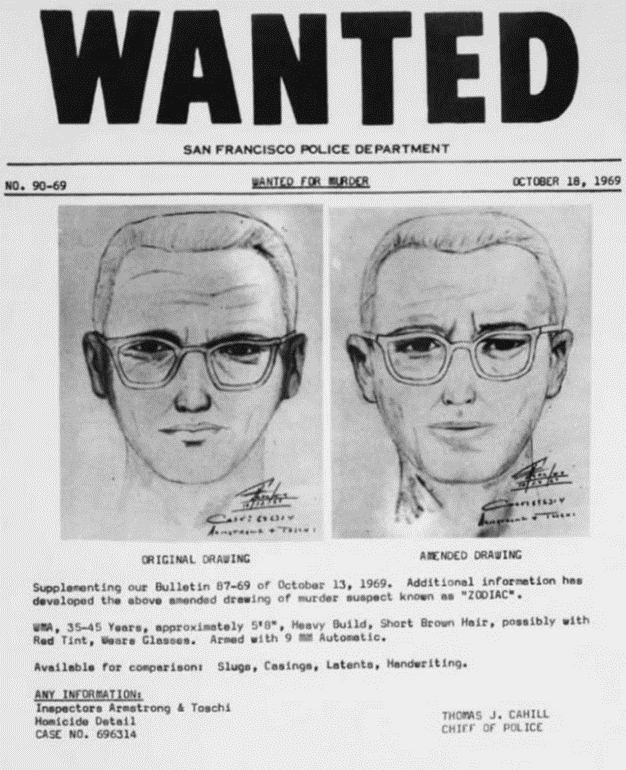
- Compulsion and Ritual: For many serial killers, murder becomes a compulsion—a repetitive act that they feel driven to commit over and over again. This compulsion often involves specific rituals or behaviours that are part of their psychological need for control. Some killers, like the Zodiac Killer, would leave taunting messages or cryptic clues, while others, like Ed Gein, would engage in bizarre rituals involving their victims’ bodies, turning them into macabre trophies. The ritualistic aspect of serial killing serves to heighten the killer’s sense of power and control, making each act of murder an extension of their internal fantasies.
- Trigger Events: Many serial killers cite specific “trigger events” that forced them over the edge from fantasy into reality. These could be traumatic events, personal crises, or failures that cause them to act on their violent impulses. These triggers often provoke feelings of anger, frustration, or desperation, which the killer channels into violence. For instance, Ted Bundy claimed that the end of a romantic relationship played a significant role in his first murder spree.
- Difficulty in Social Relationships: Serial killers often struggle to form meaningful, healthy relationships with others. They may be loners, socially awkward, or display antisocial tendencies. Their inability to empathise with others can make it difficult for them to connect emotionally. While some, like Bundy or Gacy, were able to feign charm and normalcy to manipulate others, most serial killers fail to maintain long-term friendships, marriages, or other social bonds due to their pathological behaviour.
- Mental Illness: Many serial killers suffer from mental illnesses, particularly personality disorders such as psychopathy, narcissistic personality disorder, or antisocial personality disorder. These conditions can affect their ability to experience empathy, guilt, or remorse, which allows them to kill without the emotional consequences that would affect most people. Some, like Ed Gein, exhibited signs of schizophrenia, while others, like Richard Ramirez, showed clear signs of psychopathy. Although mental illness alone does not make someone a serial killer, it can exacerbate violent tendencies, particularly when combined with other factors like trauma and deviant fantasies.
- Confidence and Arrogance: As serial killers continue to evade capture, they often become more confident and arrogant, believing that they are too smart to be caught. This sense of invincibility can lead to increasingly brazen behaviour, such as taunting law enforcement or taking greater risks during their murders. The Zodiac Killer and Dennis Rader both famously taunted the police and the media, confident that their identities would remain hidden.
- Collection of Trophies or Souvenirs: Many serial killers keep “trophies” from their victims as a way of reliving their crimes. These items can range from personal belongings like jewellery and clothing to body parts or photographs. Keeping trophies allows the killer to revisit the emotional high of the murder and serves as a reminder of their power over their victims. For example, Edmund Kemper would take photographs of his victims’ bodies after killing them, while Jeffrey Dahmer kept the skulls and bones of his victims as macabre souvenirs.
These characteristics highlight the complexity and variation among serial killers while also revealing the dark patterns that often emerge in their behaviours. Understanding these traits is crucial for criminologists, psychologists, and law enforcement in identifying and capturing serial offenders before they can claim more victims. However, it’s essential to remember that no single factor can explain or predict serial killing, as these crimes are often the result of a complex interplay of psychological, social, and environmental factors.
Serial Killers: Differences from Other Types of Murderers
- Mass Murderers: Mass murderers, unlike serial killers, commit multiple murders in a single event. These murders are often carried out in a specific location, such as a school, workplace, or public space, and the event typically ends with the murderer’s capture or death. The motive behind mass murderers is often tied to personal grievances, revenge, or a desire to make a statement. For example, mass shootings in schools or workplaces are often carried out by individuals who feel wronged by society, their peers, or an institution. Unlike serial killers, who kill for prolonged psychological gratification, mass murderers often act impulsively or as a final, desperate attempt to assert control or make a point.
- Spree Killers: Spree killers commit multiple murders in a short period, often moving from one location to another. There is no cooling-off period between the murders, which is a key difference from serial killers. Spree killers are driven by intense emotions like anger, desperation, or fear, and their crimes are usually triggered by a specific event. For instance, spree killings might occur in the context of a crime spree (such as a robbery) or an escape from law enforcement. The lack of planning, repetitive rituals, and cooling-off periods distinguishes spree killers from serial killers, whose crimes are more calculated and extend over a longer time.
- Crimes of Passion: Murderers who commit crimes of passion are typically driven by intense emotional responses to a specific situation. These murders are often impulsive and occur in the heat of the moment, such as during a domestic dispute or in reaction to betrayal. In contrast, serial killers premeditate their crimes and are driven by internal psychological needs rather than immediate emotional triggers. Crimes of passion usually involve people who know each other, whereas serial killers frequently target strangers who fit their fantasy-driven profile.
- Contract Killers: Contract killers or hitmen differ significantly from serial killers in terms of motivation. Their murders are not driven by psychological gratification but by external incentives such as financial gain or fulfilling someone else’s agenda. Contract killers typically do not select their victims based on personal fantasies, and they lack the emotional involvement often present in other types of murders. They carry out killings professionally and dispassionately, with the goal of completing a transaction, whereas serial killers are usually emotionally invested in the act of murder itself.
Serial killers exhibit a distinct set of characteristics that differentiate them from other types of murderers. Their motives are deeply psychological, often revolving around power, control, and the fulfilment of violent fantasies. Their crimes are repetitive and ritualistic and involve a cooling-off period, allowing them to evade detection for long periods. In contrast, other murderers, such as mass, spree, and contract killers, are driven by more situational or external factors, and their actions are typically less calculated and methodical. Serial killers’ ability to hide their deviant nature behind a façade of normalcy and manipulate their victims makes them uniquely dangerous among violent offenders. Understanding these differences is crucial for law enforcement and forensic experts in profiling, investigating, and ultimately apprehending serial killers.
Greed
Greed is a significant motive for murder, and it can be considered a distinct category of its own. While many serial killers are driven by psychological gratification, such as power, control, or sexual desires, there are also those who kill for material gain. This could include money, property, life insurance payouts, or even to cover up financial fraud. Here’s how greed fits into the broader spectrum of murder:
Greed-based murders often involve premeditated acts where the primary motivation is to gain financially or materially. This type of crime can be carried out by a wide range of killers, including:
- Serial Killers: Some serial killers are driven primarily by greed, though it might not be their sole motivation. For instance, H. H. Holmes, known for building his “Murder Castle,” often killed for financial gain, particularly by collecting life insurance money or robbing his victims.
- Contract Killers: Contract killers, or hitmen, are often motivated by greed, as they murder for financial compensation. Their killings are typically cold and calculated, lacking any personal attachment to the victims.
- Spouses or Relatives: Murders for life insurance payouts or inheritance fall under this category. For example, some people murder their spouse, family member, or business partner to inherit money or assets.
- White-Collar Criminals: In some cases, individuals involved in large-scale fraud or embezzlement may murder to cover up their financial crimes. They might eliminate someone who could expose them or who stands in the way of their financial goals.
How Greed-Driven Murder Differs from Serial Killers’ Motivations
While greed can drive both single and multiple murders, it differs significantly from the motivations typically associated with serial killers, who are often motivated by psychological impulses rather than direct financial gain. Here’s how the motives contrast:
- Greed vs. Psychological Gratification: Greed-driven murders are calculated and often transactional, where the goal is a tangible reward like money, property, or status. Serial killers, on the other hand, derive psychological pleasure from their crimes, seeking emotional or sexual fulfilment rather than financial benefit.
- Single Event vs. Repetitive Patterns: Greed-based murderers might commit a single act or a small number of killings as part of a financial scheme, whereas serial killers often operate over a long period with a repetitive pattern, driven by their internal fantasies and desires rather than financial motives.
- Connection to the Victim: Greed-driven murders often involve a personal connection between the murderer and the victim, such as a spouse, family member, or business partner. Serial killers, however, frequently target strangers who fit a particular psychological profile.
Notable Examples
Several infamous criminals have murdered for greed, including:
- H. H. Holmes: Known as America’s first documented serial killer, Holmes often murdered for financial gain, collecting life insurance payouts and robbing his victims. Although he exhibited psychological gratification in his murders, greed was a significant driving force behind many of his crimes.
- Dorothea Puente[7]: Puente operated a boarding house and murdered elderly tenants to cash their social security money. Her murders were entirely financially motivated.
- The Menendez Brothers[8]: Lyle and Erik Menendez murdered their wealthy parents in 1989 in hopes of inheriting their substantial estate. Greed was the primary motivator in this case.
Greed is a common motive for murder, and it fits into a broader understanding of why people commit murder. While serial killers are typically driven by psychological needs, some do kill for financial gain. These greed-driven murders highlight a more calculated, transactional approach to homicide, distinct from the emotionally or psychologically driven actions of many serial killers.
There now follows a profile of several serial killers.
Jack the Ripper: The Whitechapel Murderer
Jack the Ripper remains one of the most infamous and elusive serial killers in history, known for a series of brutal murders that occurred in the Whitechapel district of London’s East End in 1888. The Ripper, whose real identity was never discovered, was responsible for the gruesome killings of at least five women—often referred to as the “canonical five.” His victims were typically poor, vulnerable women, many of whom were engaged in sex work. Jack the Ripper earned his chilling nickname from a letter sent to the police at the time, although the authenticity of the letter remains disputed. He was also referred to as “The Whitechapel Murderer” due to the specific area where he operated. The mystery of his identity and the horrifying nature of his crimes have cemented his place in criminal history.
The Setting: Whitechapel and the East End of London
During the late 19th century, Whitechapel was one of the most impoverished and overcrowded areas of London. It was a grim district characterised by extreme poverty, crime, and squalid living conditions. The East End had become a haven for immigrants, particularly Eastern European Jews fleeing pogroms and persecution in their home countries.
Many of the residents lived in dire poverty, crammed into overcrowded tenements, often without access to basic sanitation or clean water. The narrow, winding streets of Whitechapel were filled with filth and plagued by disease, creating a sense of hopelessness among the people who lived there.
The desperate circumstances in the East End contributed to a high level of social dislocation. Crime, alcoholism, and violence were common, and many women, facing few options for employment, turned to prostitution to survive. In this environment, Jack the Ripper found a perfect hunting ground. The transient nature of life in Whitechapel meant that his victims were often unnoticed or forgotten, making it easier for him to operate undetected. The police, ill-equipped to handle such horrific crimes in a densely populated and chaotic area, struggled to maintain order and investigate the murders effectively.
The Ripper’s Method and Suspected Medical Knowledge
Jack the Ripper’s murders were defined by their savagery and the precise manner in which the bodies were mutilated. His victims were often found with their throats slashed and their bodies horrifically disfigured. The Ripper would remove internal organs such as the uterus and kidneys, leading many to believe that he had some degree of medical training or anatomical knowledge. Surgeons and doctors of the time speculated that the killer might have been a butcher, physician, or someone with experience in dissection, given the precision of the incisions. This theory added to the aura of fear surrounding the killer, as it suggested a person of education and skill who could move through society unnoticed while committing these brutal acts.
The police were baffled by the murders, and despite an extensive investigation, they were unable to catch the killer. Letters purportedly from the Ripper—such as the infamous “Dear Boss” letter—mocked the authorities and heightened public fear.

The killer’s ability to evade capture, despite leaving behind such gruesome crime scenes, only added to the belief that he possessed a high level of intelligence and cunning. The possibility that he had medical knowledge further terrified the public, as it suggested that he could be hiding in plain sight, potentially even among the more respectable classes of society.
Social Impact and the Horrors of Whitechapel
The Ripper’s reign of terror, though brief, had a profound impact on London society, particularly on the way the public viewed the East End. The horrific nature of his crimes and the fact that they took place in one of London’s most impoverished districts brought attention to the appalling living conditions of Whitechapel. The murders highlighted the stark contrast between the wealth of London’s West End and the abject, desperate poverty of the East End, where overcrowded slums, poor sanitation, and high crime rates were the norm.
The widespread press coverage of the murders not only shocked the Victorian public but also led to increased calls for social reform. The slums of Whitechapel became a symbol of the broader failures of the British government to address the issues of poverty and inequality. The attention generated by the murders helped to spur efforts to improve housing and sanitation in the East End. Although the Ripper’s identity was never uncovered, his legacy inadvertently drew attention to the need for social change.
The Housing Crisis and Reform
In the aftermath of the Ripper murders, there was a growing recognition that the conditions in which the residents of Whitechapel lived were untenable. Housing reform became a central issue, with philanthropists and social reformers turning their attention to the slums. One of the most significant responses to the crisis was the establishment of the Rothschild Dwellings, part of the Four Per Cent Industrial Dwellings Company founded by philanthropists, including members of the Rothschild family. These housing projects aimed to provide better living conditions for Jewish immigrants and the working-class poor, offering affordable, sanitary housing as an alternative to the squalid tenements that had defined the area.
Rothschild House and similar developments were designed to improve the health and well-being of working-class residents by offering cleaner, safer environments. These projects were part of a broader effort to address the root causes of the deprivation that had plagued the East End for so long. The murders, though horrific, catalysed change for the better by exposing the depths of the suffering in Whitechapel and forcing the government and society to deal with the neglect of its poorest citizens.
The Enduring Mystery and Legacy
Despite the massive police investigation and the involvement of prominent figures such as Sir Charles Warren, the commissioner of the Metropolitan Police, Jack the Ripper was never caught. Theories about his identity have ranged from members of the British aristocracy to prominent doctors and even artists like Walter Sickert. Over the years, the Ripper’s legend has only grown, with countless books, films, and documentaries speculating on his identity and motivations. The mystery surrounding his crimes has ensured that Jack the Ripper remains a figure of both horror and fascination.
The murders themselves may have been confined to a few terrifying months in 1888, but their legacy endures. They not only marked a turning point in the history of criminal investigation but also exposed the deep social divisions in Victorian London. The public outcry following the Ripper’s killings helped to galvanise efforts to improve living conditions in the East End, leading to reforms that would ultimately reshape the area. While Jack the Ripper remains one of the most notorious figures in history, his murders also inadvertently contributed to much-needed social progress.
Jack the Ripper’s terrifying reign of violence left an indelible mark on the history of London. His ability to kill with impunity in the chaotic, overcrowded streets of Whitechapel, combined with his possible medical expertise, made him a figure of enduring fear and mystery. Yet, the exposure of the horrific conditions in which his victims lived helped to initiate important social reforms.
The housing and sanitary improvements that followed in the wake of his crimes, such as Rothschild Buildings and the Four Per Cent Industrial Dwellings, were a direct response to the public’s newfound awareness of the plight of the East End’s poorest residents. In this way, the Ripper’s legacy is twofold—while he represents the darkest aspects of human nature, his actions also shone a light on the need for compassion, reform, and justice for society’s most vulnerable.
Dennis Nilsen: The Muswell Hill Murderer
Dennis Andrew Nilsen (1945–2018) was a Scottish serial killer and necrophile who murdered at least twelve young men and boys between 1978 and 1983 in North London. Nilsen tricked his victims—many of whom were homeless, runaways, or otherwise vulnerable—into going back to where he lived, promising them food, shelter, or companionship. Once there, he would strangle or drown them before engaging in bizarre rituals, including bathing and dressing the corpses, which he kept for extended periods before eventually dismembering them. The discovery of human remains clogging the drains at his Muswell Hill residence led to his arrest in 1983 and the uncovering of his gruesome murders.
Nilsen’s Early Life and Descent into Murder
Nilsen was born in Fraserburgh, Scotland, in 1945 to a troubled family, where he developed a strong attachment to his grandfather. The death of his grandfather when Nilsen was just five years old is thought to have had a profound effect on him. The early experience of death and viewing his grandfather’s body may have fuelled the disturbing fantasies that would later manifest in his crimes. Nilsen grew up a quiet, withdrawn boy who struggled with his sexual identity, eventually joining the British Army as a means of escape from his small-town life. After his military service, Nilsen moved to London and began working as a civil servant.
Nilsen’s sexual orientation, which he kept hidden for many years, played a role in the development of his fantasies. He longed for passive sexual partners who would not resist or abandon him, which he would later find in the form of the lifeless bodies of his victims. His crimes started in 1978 when he invited a young boy back to his apartment. After the boy fell asleep, Nilsen, afraid of being abandoned, strangled him. This marked the beginning of a five-year killing spree.
Modus Operandi and Rituals
All of Nilsen’s murders took place at two North London addresses—195 Melrose Avenue in Cricklewood and 23 Cranley Gardens in Muswell Hill. He tempted his victims—often young men struggling with homelessness or poverty—into his homes by offering them alcohol, food, or a place to stay.
Nilsen would strangle his victims, sometimes drown them to ensure they were dead, and then perform elaborate rituals on their bodies. He would wash, dress, and position the corpses, often keeping them for days or even weeks. During this time, Nilsen would engage in conversations with the bodies as if they were still alive, even watching television beside them. These rituals seemed to fulfil Nilsen’s twisted need for companionship and control.
Once the bodies began to decompose, Nilsen would dismember them, meticulously cutting the flesh from the bones and disposing of the remains either by burning them on a bonfire or flushing them down the toilet. His later victims’ remains were discovered when a plumber was called to address blocked drains at Cranley Gardens. Nilsen’s attempt to dispose of body parts through the plumbing system ultimately led to his capture.
The Horrors of 1970s and 1980s North London
During the period of Nilsen’s murders, North London, particularly in the areas where Nilsen operated, was home to a significant number of vulnerable people. Many of his victims were young men who had fallen through the cracks of society—homeless, unemployed, or transient individuals with little support. Nilsen’s ability to move through society unnoticed for so long was partly due to his choice of victims, whose disappearances often went unreported or uninvestigated for extended periods. The grim conditions in parts of London during the late 1970s and early 1980s contributed to Nilsen’s ability to carry out his horrific acts with little suspicion. The city was grappling with economic decline, rising unemployment, and a housing crisis. The lack of affordable housing and services for vulnerable populations left many individuals at risk, making them easy prey for predators like Nilsen.
Dennis Nilsen’s Time in the Police
In December 1972, after leaving the British Army, where he had served as a cook for 11 years, Nilsen decided to join the Metropolitan Police. He began his training in December of that year, and in April 1973, after completing his course, he was assigned to Willesden Green as a probationary police constable. Nilsen enjoyed the structure and discipline of police work and performed routine duties such as patrolling and making arrests.
However, his time in the police force was short-lived. He found it difficult to reconcile his personal life with his job, particularly due to his struggles with his sexuality. By August 1973, Nilsen had become increasingly disillusioned with policing and resigned from the force in December 1973, less than a year after starting. His experiences in the police force, while brief, may have contributed to his ability to avoid suspicion during his later crimes, as he had a basic understanding of investigative techniques and procedures.
Life as a Civil Servant
After leaving the police, Nilsen sought more stable employment and eventually found work as a civil servant. In May 1974, he joined the Jobcentre in Denmark Street, London, where he was responsible for helping unskilled labourers find employment. Nilsen was known to be a quiet and conscientious employee, and he became involved in union activities during his time there. Nilsen was initially content with his role as a civil servant, which offered him stability. He even received a promotion to the position of executive officer in June 1982, taking on additional supervisory responsibilities at a new location in Kentish Town. He continued working in this position until his arrest in 1983.
Despite the outward appearance of a quiet, stable civil service career, Nilsen’s personal life was deeply disturbed. He used his respectable job to maintain a facade of normalcy, which helped him to evade detection for years as he carried out his horrific murders. His professional life allowed him to blend into society and mask the monstrous acts he was committing in private, making him one of the most chilling figures in British criminal history. Nilsen’s time in both the police force and the civil service allowed him to lead a double life—publicly respectable but privately monstrous—right up until the time of his arrest.
The Impact of Nilsen’s Crimes
The discovery of Nilsen’s crimes shocked the nation. His trial at the Old Bailey in 1983 led to his conviction on six counts of murder and two counts of attempted murder, with a sentence of life imprisonment, later extended to a whole-life tariff. Unlike many other serial killers, Nilsen was unusually candid about his crimes, offering detailed confessions to the police. Yet he remained largely indifferent, claiming he had no real motive for his actions other than his desire for companionship and control over his victims.
Although Nilsen’s crimes were heinous, they did bring attention to the neglected and marginalised populations of London. His victims—many of them young, homeless, or from impoverished backgrounds—represented a broader societal failure. The conditions that allowed Nilsen to target these individuals went largely unchecked until his arrest. The horror of his actions highlighted the urgent need for improved social services, mental health care, and housing in London, much as Jack the Ripper’s murders in the late 19th century had drawn attention to the appalling conditions of the East End.
In the aftermath of Nilsen’s arrest, there was a heightened awareness of the vulnerabilities faced by homeless and at-risk young men in London. Nilsen’s crimes underscored the dangers of invisibility within society—where individuals could disappear without notice, lost within the cracks of urban life. This led to broader conversations about social safety nets, housing reform, and the protection of marginalised groups.
Dennis Nilsen’s case remains one of the most disturbing in British criminal history, not only for the sheer brutality of his acts but for the way he was able to exploit the vulnerabilities of his victims. His ability to blend into society, hiding his monstrous nature behind the facade of an ordinary civil servant, makes him a chilling figure. While his crimes drew attention to the societal neglect of vulnerable populations, they also revealed the dark, hidden currents of human nature that can exist even in the most seemingly mundane circumstances. Nilsen’s legacy serves as a stark reminder of the need for vigilance, compassion, and reform in ensuring that the most vulnerable among us are not left unprotected.
Marcel Petiot: Doctor Satan
Marcel Petiot was a greedy and unscrupulous French serial killer who murdered without remorse during World War II. He is infamous for exploiting the chaos of the war to commit a series of brutal murders under the disguise of helping people escape Nazi-occupied France. How the murders were carried out and why he committed them is a secret Dr Petiot took to his grave and remains to this day a chilling mystery.
Early Life and Background
Marcel André Henri Félix Petiot was born on 17th January 1897 in Auxerre, Yonne, France. Petiot was known to be intelligent as a child but frequently encountered difficulties in school, leading to multiple expulsions before he completed his education. At 17, he was arrested for stealing mail, but a judge later ruled him mentally unfit for trial, resulting in his release. In 1917, while serving in the French army during World War I, Petiot was brought to trial for allegedly stealing army blankets but was acquitted due to concerns about his mental health. Despite these concerns, he was sent back to the front lines, where he experienced a mental breakdown. Eventually, he was discharged from the army due to his unusual behaviour, and some medical professionals suggested that he should be institutionalised.
In 1916, during World War I, Petiot was drafted into the French Army. His military service was erratic—he was injured but also displayed erratic behaviour, leading to him being discharged for psychological reasons. He was diagnosed with mental instability, but this did not prevent him from continuing to pursue a medical career.
Medical Career and Early Criminal Activity
After the war, Petiot studied medicine in Paris, earning his degree in 1921. He started practising as a physician and built a respectable reputation. However, his darker tendencies persisted, and he became involved in various fraudulent schemes. He would prescribe narcotics freely, steal from patients, and engage in other unethical activities, although none of these early misdeeds led to serious criminal charges.
By the 1930s, Petiot had moved to Villeneuve-sur-Yonne, where he gained political office as a Mayor, no less. Financial scandals marred his tenure, and he was accused of embezzlement, leading to his eventual resignation in 1932. Afterwards, he settled in Paris, continuing his medical practice and maintaining a façade of respectability.
World War II and the Murders
During the German occupation of France in World War II, Petiot seized upon the turmoil to further his criminal enterprise. He presented himself as a hero of the French Resistance, claiming to help Jews, resistance fighters, and others in danger flee to safety in South America. He would lure victims to his clinic at 21 Rue Le Sueur in Paris with promises of escape. Instead, Petiot would murder them, steal their valuables, and dispose of their bodies.
He told his victims that they needed vaccinations for foreign travel, but he injected them with lethal doses of cyanide. After killing them, Petiot would dismember the bodies and dispose of the remains by burning them in his basement furnace or dissolving them in quicklime. He disposed of some bodies in the Seine River or buried them on his property.
Petiot’s scheme operated under the code name Dr Eugène, and it is believed he charged his victims exorbitant sums, often taking their life savings. His activities thrived during the war, as people desperately sought to escape the Nazis and trusted him due to his reputation as a physician and his claims of resistance involvement.
Discovery and Arrest
Petiot’s crimes came to light in March 1944 after neighbours complained of a foul odour and excessive smoke coming from his house. The police investigated and discovered body parts and evidence of his murders in the basement. Initially, Petiot fled and managed to evade capture for several months by adopting false identities and living under aliases. During this period, he even briefly joined the French Resistance under a pseudonym.

He was finally captured in October 1944, after the liberation of Paris, when he was recognised and arrested by French authorities. At the time of his arrest, he claimed that he had only killed collaborators and enemies of France, trying to portray himself as a patriot who had targeted German sympathisers. However, the truth soon became clear that his victims were mainly Jews and others seeking refuge from the Nazis—people he had lured with promises of safety and killed for personal gain.
Trial and Execution
Marcel Petiot’s trial began in March 1946, and it quickly became a sensational case. He was charged with 27 counts of murder, although he was suspected of having killed many more—possibly as many as 60. Petiot’s defence insisted that he was a resistance hero and that his victims were German collaborators, but the overwhelming evidence of his sadistic methods and exploitation of vulnerable people doomed him.
He was found guilty of 26 murders and sentenced to death. On 25th May 1946, Marcel Petiot was executed by guillotine in La Santé Prison in Paris. He remained defiant until the end, never admitting his guilt and portraying himself as a misunderstood patriot.
Legacy
Marcel Petiot’s case remains one of the most infamous in French criminal history. His combination of medical expertise, charisma, and ruthless exploitation of people during a time of great fear and chaos made him particularly notorious. His ability to manipulate others and evade capture for so long only added to the morbid fascination surrounding his crimes.
Although Petiot’s exact victim count is unclear, his story has become a cautionary tale of how war and social upheaval can provide cover for heinous criminal activities.
Peiot’s life and crimes have been the subject of numerous books, documentaries, and films, further cementing his place in the annals of notorious serial killers and reflecting the darker side of humanity, particularly during times of societal breakdown.
While there are similarities between Petiot and these other figures—particularly in their exploitation of vulnerable people and abuse of positions of trust—Petiot’s case remains particularly unique due to the historical context in which he operated. His ability to exploit the chaos of Nazi-occupied France and his manipulation of wartime fears to carry out his murderous schemes distinguish him from many other serial killers, whose crimes were often less directly connected to political or wartime circumstances.
In comparison to most serial killers, Petiot stands out due to his audacity in masquerading as a hero of the Resistance and using the horrors of war as a cover for personal gain. Though figures like Shipman and Holmes also abused their positions as doctors, and killers like Mengele and Clauberg took advantage of the wartime chaos to commit atrocities, Petiot’s blend of charisma, medical knowledge, and exploitation of the particular historical moment in occupied France gives him a distinct place in the history of criminal infamy.
Peter Kürten: The Vampire of Düsseldorf
Peter Kürten was one of the most notorious and terrifying serial killers in early 20th century Germany. Born on 26th May 1883, in Mülheim am Rhein, a district of Cologne, Kürten’s life was marked by extreme violence and depravity. His horrific crimes between 1929 and 1930, involving murder, sexual assault, and sadistic mutilation, earned him his nickname and made him a figure of morbid fascination and fear in German criminal history. He was ultimately captured and executed, but the legacy of his crimes continues to fascinate criminologists and psychologists.

Early Life and Upbringing
Peter Kürten’s childhood was deeply troubled and violent, shaping much of his later life. He grew up in a large, poverty-stricken family with 13 siblings. His father was an abusive alcoholic who frequently beat his wife and children. Kürten witnessed his father sexually assault his mother and sisters, which left an indelible mark on him. As a young boy, Kürten displayed violent tendencies, engaging in petty crimes and cruelty to animals, which are often early indicators of psychopathy and deep-rooted emotional disturbance.
At the age of nine, Kürten allegedly committed his first murders by drowning two of his playmates, though this claim remains unconfirmed. However, it does point to the early manifestation of his violent behaviour, which escalated over time. His exposure to violence at home, compounded by neglect and abuse, fostered an environment where such horrific tendencies could take root. Kürten’s interactions with the criminal justice system began early in life, as he was frequently arrested for theft and other petty crimes.
The Path to Murder
As Kürten grew older, his crimes became more serious. By his late teens and early twenties, he was frequently imprisoned for various offences, including arson and attempted murder. It was during these stints in prison that Kürten began to develop violent fantasies, which would later culminate in his reign of terror over Düsseldorf.
In 1913, Kürten committed his first confirmed murder when he broke into a tavern in Mülheim, intending to rob it. There, he found a nine-year-old girl named Christine Klein asleep. He strangled her and then slit her throat, drinking her blood—a disturbing detail that would later earn him his infamous moniker. Afterwards, Kürten claimed he felt a sexual thrill from the act, marking the beginning of his association of sexual gratification with violence and death.
Despite the heinous nature of this crime, Kürten managed to evade capture for several years. He served time in prison for other offences, and it wasn’t until much later that this murder was tied to him. During his incarceration, Kürten honed his fantasies of domination, sadism, and murder, further entrenching his psychopathic tendencies. Upon his release, he moved to Düsseldorf, where he married in an effort to appear normal and rejoin society, but his dark desires soon resurfaced.
The Düsseldorf Murders: 1929-1930
Kürten’s most notorious crimes took place between 1929 and 1930, during a period that became known as the Düsseldorf Horror. The crimes were shocking not only for their brutality but also for their randomness. Kürten did not have a specific type of victim. He attacked men, women, and children of all ages, often using a variety of weapons, including knives, scissors, and hammers. His methods were equally varied; he bludgeoned, stabbed, strangled, and mutilated his victims, sometimes drinking their blood afterwards, which earned him the nickname The Vampire of Düsseldorf.
The first major attack in Düsseldorf occurred on 3rd February 1929, when Kürten stabbed an elderly woman with a pair of scissors. He would go on to commit a series of violent acts that escalated in ferocity. On 8th August 1929, he stabbed a woman 24 times with a pair of scissors before leaving her for dead. Amazingly, she survived and was able to provide police with a description, though it would still be some time before Kürten was apprehended.
Later that month, Kürten bludgeoned two young girls, aged five and 14, to death. One of the bodies was found on the banks of the Rhine River, mutilated in a manner so grotesque that it shocked the nation. Kürten’s random selection of victims and the varying degrees of violence he inflicted made it difficult for authorities to track him. He seemed to strike without motive, except for the sheer pleasure he derived from killing. His ability to disappear after each attack baffled law enforcement, while his increasingly bizarre and sadistic behaviour terrified the public.
In September 1929, Kürten committed a series of brutal attacks in a single evening. First, he killed a servant girl by bludgeoning her with a hammer. He then stabbed a young girl to death and followed that by attacking a man, though the man survived. These acts of violence, all committed in a single night, highlighted Kürten’s growing boldness and the depth of his depravity. By this point, police in Düsseldorf were frantically trying to catch the killer, but Kürten’s ability to blend in with the community, combined with his intelligence and cunning, made him difficult to identify.
Kürten taunted the police by writing letters to newspapers, detailing the locations of some of the bodies he had disposed of. This brazen act of defiance added to the public fear, as it became clear that the killer was not only skilled at evading capture but was also playing a cruel game with authorities.
Capture and Trial
In May 1930, Kürten’s reign of terror came to an end when one of his victims, a young woman named Maria Budlick, managed to escape and report the attack to the police. Kürten had tempted her to his home under the pretence of helping her find lodgings, but once there, he attempted to strangle her. Budlick fought back and managed to flee, going directly to the authorities.
When Kürten’s wife learned of the attack, she suspected her husband might be the Düsseldorf murderer. She confronted him, and Kürten shockingly confessed to his crimes, detailing the extent of his murders and sadistic acts. Remarkably, Kürten willingly went with his wife to the police station and turned himself in. He later claimed that he derived great satisfaction from the thought of his execution.
Kürten’s trial began in April 1931 and was widely covered by the media. He was charged with nine murders and seven attempted murders, though he confessed to many more killings. During the trial, Kürten remained calm and composed, describing his crimes in chilling detail. He admitted to deriving sexual pleasure from the acts of murder and blood-drinking, stating that the sight of blood excited him. His trial fascinated the public, not just because of the nature of his crimes but because of his calculated demeanour, which contrasted sharply with the sadistic violence he committed.
Psychiatrists evaluated Kürten and diagnosed him with antisocial personality disorder and sadistic tendencies, but they found him sane and fully aware of his actions. Kürten showed no remorse during his trial, further shocking the public. He was convicted and sentenced to death on 22nd July 1931.
Execution and Legacy
Peter Kürten was executed by guillotine on 2nd July 1931 in Cologne, Germany. His final words were reportedly a macabre reflection of his morbid curiosity about death. He asked the executioner whether he would still be able to hear and see for a few moments after his head was severed. This question, along with the details of his horrific crimes, solidified his reputation as a monster who found pleasure in death and suffering.
After his execution, Kürten’s brain was removed and studied by scientists who hoped to find a physiological explanation for his extreme behaviour. His brain is still preserved today in the Witt Museum in Germany, serving as a chilling reminder of the depths of human depravity.
Kürten’s case remains one of the most studied in criminology, particularly because of the complex interplay between his abusive upbringing, his sexual sadism, and his psychopathic behaviour. His ability to evade detection for so long, coupled with his public persona of a mild-mannered man, makes him a classic example of the “organised” serial killer who blends into society. His case also raised questions about the nature of evil and the extent to which childhood trauma, mental illness, and environmental factors contribute to violent behaviour.
Reflection
Peter Kürten, the Vampire of Düsseldorf, was a sadistic and calculated serial killer whose reign of terror left a permanent scar on the psyche of early 20th century Germany. His crimes, which involved extreme violence, mutilation, and blood-drinking, shocked the public and confounded the police. Despite his horrific acts, Kürten managed to evade capture for years due to his ability to blend into society and his cunning nature. His trial and execution marked the end of one of the most terrifying chapters in German criminal history. Kürten remains a figure of fascination, both for his extraordinary cruelty and the psychological complexities that drove his sadistic behaviour.
Harold Shipman: Dr Death
Doctor Harold Frederick Shipman was a British general practitioner (GP) who became one of the most prolific serial killers in modern history. Born on 14th January 1946 in Nottingham, Shipman was convicted in 2000 of murdering 15 of his patients, but the true number of victims is estimated to be between 200 and 250. Throughout his medical career, Shipman used his trusted position as a doctor to secretly kill patients—most of them elderly women—by administering lethal doses of diamorphine (heroin). His case shocked the world, not only due to the sheer number of victims but also because of the manner in which he abused the immense trust placed in doctors by their patients and communities. His crimes raised serious questions about medical oversight and patient safety, sparking reforms in Britain’s healthcare system.
Early Life and Education
Harold Shipman was born into a working-class family in Nottingham and was the middle child of Vera and Harold Frederick Shipman, a lorry driver. His mother, Vera, was the dominant figure in his life and heavily influenced him as a child. Known for being somewhat cold and distant, Vera instilled in her son a sense of superiority and detachment from others. She died of lung cancer when Shipman was 17 years old, an event that had a profound impact on him.
While his mother was dying, she was given morphine to ease her pain. This experience of watching the powerful effects of morphine on his mother’s suffering is believed to have been a formative moment for Shipman. It is speculated that this early experience with the drug may have influenced his later methods of killing. Shipman’s desire to gain control over life and death—likely rooted in this period of his life—was to become a grim hallmark of his criminal career.
Shipman attended Leeds School of Medicine and graduated in 1970, entering the medical profession as a young man with good prospects. He married Primrose Oxtoby in 1966, and they had four children. From all outward appearances, Shipman seemed to be a devoted family man and an ambitious doctor. He began his career in the town of Pontefract in West Yorkshire before moving to Todmorden, a town in Lancashire, where he joined a medical practice.
Early Career and Initial Criminal Activity
Shipman’s career was not without its early troubles. In 1975, he was caught forging prescriptions for the powerful painkiller pethidine, which he had become addicted to. He was fined £600 and briefly attended a rehabilitation clinic. However, Shipman was able to return to practice medicine after this incident, a decision that would later prove catastrophic for hundreds of patients. After this disciplinary blip, Shipman appeared to rehabilitate his professional reputation and continued to work as a GP without raising further suspicions for many years.
In 1977, he moved with his family to Hyde, a small town in Greater Manchester, where he joined the Donneybrook Medical Centre. He became well-regarded by his patients and colleagues, often praised for his diligent care and manner. He was known for being reliable, punctual, and thorough. Many of his patients considered him to be a dedicated and compassionate doctor. This level of trust would ultimately allow Shipman to carry out his crimes unnoticed for nearly two decades.
Methodology
Harold Shipman’s modus operandi was both simple and chilling. He preyed primarily on older women, who trusted him as their doctor, believing he had their best interests at heart. Using his access to powerful narcotics, Shipman would administer lethal doses of diamorphine under the guise of medical treatment. Often, he would fabricate medical conditions or claim that the patient’s death was inevitable due to old age or underlying health issues.
In many cases, Shipman would call on his elderly patients at their homes or have them visit him at his surgery, administer the lethal injection, and watch as they died. One of the reasons Shipman was able to continue his killing spree undetected for such a long time was the age of his victims, who were in declining health. Most of his patients were elderly, and their deaths were often attributed to natural causes such as heart failure or other age-related conditions. Given the seemingly natural circumstances of their deaths, forensic examinations and post-mortem investigations were usually not conducted, especially since Shipman was the attending physician and could certify the cause of death himself. This lack of scrutiny allowed Shipman to continue his murders without raising suspicion, as no one thought to question the sudden deaths of patients who were believed to be nearing the end of their lives due to natural decline.
It wasn’t until the exhumation of Kathleen Grundy—whose death Shipman had certified as being from natural causes—that authorities discovered the traces of lethal diamorphine, prompting a deeper investigation into Shipman’s patient records and the high death rate among his elderly patients. One of Shipman’s most disturbing behaviours was his habit of staying with his victims as they died, sometimes chatting with them or their families, appearing entirely normal and compassionate as they passed away from the lethal dose he had administered. The sheer audacity and cold-bloodedness of this act made his crimes all the more terrifying. He managed to deflect any blame or suspicion due to the immense trust placed in doctors and his apparently impeccable reputation.
Discovery of the Crimes
Harold Shipman’s downfall began with the death of Kathleen Grundy, a wealthy 81-year-old widow and former lady mayor of Hyde. Grundy was found dead in her home in June 1998, just hours after Shipman had visited her. Her death was initially thought to be from natural causes, and Shipman had written her death certificate. However, suspicion was raised when Grundy’s daughter, Angela Woodruff, a lawyer, discovered that her mother’s will had been altered to leave nearly £400,000 to Shipman. Woodruff knew her mother would never have written such a will and reported her concerns to the police.
Grundy’s body was exhumed, and a post-mortem examination revealed traces of diamorphine in her system. This discovery prompted a full investigation into Shipman’s practice, focusing on the deaths of other patients under his care. Investigators found that many of Shipman’s deceased patients had been cremated without post-mortem examinations, making it difficult to establish exactly how many people he had killed. However, the pattern became clear: an unusually high number of deaths occurred shortly after Shipman had visited his patients, and he had often been present at the time of death.
The police investigation eventually uncovered a pattern of behaviour that stretched back many years. Shipman was arrested in September 1998 and charged with 15 counts of murder and one count of forgery related to Kathleen Grundy’s altered will.
Trial and Conviction
Shipman’s trial began at Preston Crown Court in October 1999 and lasted until January 2000. The prosecution presented evidence of the 15 murders, which all followed a disturbingly similar pattern. The key pieces of evidence were the lethal levels of diamorphine found in the victims’ bodies, Shipman’s falsified medical records, and the forged will of Kathleen Grundy. Throughout the trial, Shipman remained calm and emotionless, showing little remorse for his actions.
The jury found Shipman guilty on all charges, and on 31st January 2000, he was sentenced to life imprisonment with a recommendation that he never be released. Justice Forbes, who presided over the trial, described Shipman’s crimes as “wicked beyond belief,” and his life sentence without the possibility of parole reflected the severity of his actions.
However, the 15 murders for which Shipman was convicted represented only a fraction of his crimes. A subsequent inquiry into his medical practice concluded that he had likely killed at least 218 patients over a 23-year period. The true number could be higher, as many of his victims had been cremated, leaving no evidence behind.
Suicide and Legacy
Harold Shipman maintained his innocence throughout his imprisonment. However, on 13th January 2004, a day before his 58th birthday, Shipman hanged himself in his prison cell at HM Prison Wakefield. His suicide deprived many of the victims’ families of the chance to see him serve out his life sentence, but it also ensured that he would never be able to harm anyone again.
Shipman’s crimes had a profound impact on the British medical community and the public at large. The trust that people placed in their doctors was deeply shaken by the realisation that a respected physician had been able to commit such horrific acts for so long without detection. As a result of the Shipman case, significant changes were made to the way doctors are monitored in the UK. The Shipman Inquiry, chaired by Dame Janet Smith, led to recommendations for better safeguards within the medical profession, particularly regarding the prescribing and monitoring of controlled substances.
One of the most significant reforms was the introduction of tighter regulations for death certifications and the creation of a national system for monitoring unusual death patterns. Additionally, doctors’ access to powerful drugs such as diamorphine was more strictly regulated, and there was increased scrutiny of general practitioners’ behaviour and decision-making processes.
Harold Shipman is remembered as one of the most prolific serial killers in recorded history, with his murders representing a grotesque abuse of power and trust. Shipman used his position as a doctor to prey on the most vulnerable members of society—elderly patients who trusted him to care for them in their final years. The scope of his crimes is almost unfathomable, and the betrayal of trust was profound. His case serves as a reminder of the potential dangers of unchecked authority, even in professions traditionally associated with care and healing.
Shipman’s legacy, while horrifying, brought about necessary reforms in the medical profession, ensuring that future abuses of power could be more easily identified and prevented. Though his actions were monstrous, the changes that followed his conviction have helped to restore some measure of safety and oversight in the healthcare system.
Fred West (and his wife, Rosemary West): House of Horrors
Frederick Walter Stephen West, born on 29th September 1941 in Much Marcle, Herefordshire, became one of Britain’s most notorious serial killers. His wife, Rosemary Pauline “Rose” West (née Letts), born in November 1953 in Northam, Devon, was his accomplice in many of these crimes. Their case shocked the nation due to the extent and nature of their crimes, which included multiple murders, sexual assaults, and the abuse of their own children.
Early Life and Background
Fred West grew up in a poor farming family with six siblings. His childhood was marked by isolation and alleged incidents of incest within the family. He left school at age 15, barely able to read or write. Early in his life, he displayed troubling behaviour, including alleged sexual assaults on young girls.
Rose West had a difficult upbringing as well. Born to Bill Letts and Daisy Fuller, she experienced an unstable childhood. Her father was known to be domineering and abusive, while her mother suffered from depression and received electroconvulsive therapy during Rose’s upbringing. Rose was described as having learning difficulties and exhibited behavioural problems in her youth.
Meeting and Relationship
Fred and Rose West met in early 1969 when Rose was just 15, and Fred was 27. Despite Fred already being married to Rena Costello and having two children, he began a relationship with Rose. By 1970, Rose had moved in with Fred and was caring for his children. Fred was imprisoned for theft later that year, and during this time, Rose is believed to have killed Fred’s stepdaughter, Charmaine.
When Fred West was released from prison in June 1971, he and Rose married. They settled at 25 Cromwell Street, Gloucester, which would later become infamous as the “House of Horrors.” The couple had eight children together, and Fred had at least two more from previous relationships.
Criminal Activities
The West’s criminal activities spanned over two decades, from the late 1960s to the early 1990s. They were involved in multiple murders, with most victims being young women. Their modus operandi typically involved abducting women, subjecting them to sexual abuse and torture, and then murdering and dismembering them. Many of the bodies were buried in the cellar or garden of their Cromwell Street home.
The couple’s children were not spared from harm. They were subjected to physical and sexual abuse, and some were involved in the abuse of other victims. The Wests also rented out rooms in their house, with some lodgers becoming victims.
Known victims included:
- Charmaine West (Fred’s stepdaughter)
- Catherine “Rena” West (Fred’s first wife)
- Lynda Gough
- Carol Ann Cooper
- Lucy Partington
- Therese Siegenthaler
- Shirley Hubbard
- Juanita Mott
- Shirley Anne Robinson
- Alison Chambers
- Heather West (Fred and Rose’s daughter)
It is believed there may have been more victims, but the exact number remains unknown.
Discovery and Arrest
The West’s crimes came to light in 1992 when Fred was accused of raping his 13-year-old daughter, and Rose was arrested for child cruelty. During the investigation, police became suspicious about the disappearance of Heather West, Fred and Rose’s eldest daughter, who had been missing since 1987.
In February 1994, police obtained a warrant to excavate the Wests’ garden at Cromwell Street. They discovered human remains, and Fred West was arrested for murder. As the investigation continued, more bodies were found both in the house and at other locations associated with Fred.
Initially, Fred West took sole responsibility for the murders, attempting to protect Rose. However, as evidence mounted, both were charged with multiple counts of murder.
Legal Proceedings
Fred West was charged with 12 murders but committed suicide in his prison cell on 1st January 1995 before his trial could begin. Rose West was charged with ten murders and stood trial at Winchester Crown Court in October 1995. She maintained her innocence throughout, but on 22nd November 1995, she was found guilty on all counts and sentenced to life imprisonment with a whole life order, meaning she will never be released.

Aftermath
The case of Fred and Rose West had a profound impact on British society and the criminal justice system. It led to discussions about child protection, the nature of evil, and the potential for seemingly ordinary people to commit horrific crimes. The house at 25 Cromwell Street was demolished in 1996 to prevent it from becoming a macabre tourist attraction.
The surviving West children have struggled with the legacy of their parents’ crimes. Some have written books or given interviews about their experiences, while others have chosen to remain out of the public eye.
Psychological Profile
Experts have debated the psychological profiles of Fred and Rose West. Fred was often described as a psychopath, showing little remorse for his actions and possessing the ability to manipulate others. His troubled childhood and possible head injuries from motorcycle accidents have been suggested as contributing factors to his behaviour.
Rose West has been described as equally dangerous, if not more so, than her husband. Psychologists have suggested she may have a severe personality disorder. Her abusive childhood and possible genetic factors have been considered in analysing her behaviour.
The case of Fred and Rose West remains one of the most notorious in British criminal history. It serves as a chilling reminder of the depths of human depravity and the complex factors that can lead to such extreme criminal behaviour. The impact of their crimes continues to resonate, serving as a subject of study for criminologists, psychologists, and sociologists seeking to understand and prevent similar atrocities in the future.
John George Haigh: The Acid Bath Murderer
John George Haigh was a British serial killer who gained notoriety for his particularly gruesome method of disposing of his victims. Haigh’s crimes shocked post-war Britain not only for their brutality but also for the calculated and systematic nature of his murders. His ability to charm and manipulate those around him allowed him to perpetrate his crimes undetected for several years. Haigh’s story is a disturbing blend of deviance, greed, and the exploitation of vulnerable individuals, all underpinned by his cold-blooded approach to murder.
Haigh was born on 24th July 1909 in Stamford, Lincolnshire, to John and Emily Haigh. His family belonged to a conservative and highly religious sect called the Plymouth Brethren, which imposed strict rules and a sense of moral superiority. Haigh’s upbringing was heavily influenced by his parents’ religious fervour, with his father instilling in him a fear of sin and punishment. His father even told Haigh that he had a “mark of Cain” on his body, a supposed physical sign of sin that would remain unless he led a virtuous life. As a result, Haigh grew up in a deeply repressive environment, often feeling isolated and misunderstood. These early experiences likely contributed to his later behaviour, as they seemed to foster a sense of detachment from the conventional morality that guided most people.
Despite his strict upbringing, Haigh was academically capable and attended Wakefield Cathedral School before working as an apprentice to a firm of motor engineers. He showed little interest in settling into an ordinary life, instead drifting from job to job, often engaging in petty crimes such as fraud and theft.
Haigh’s natural charm and quick wit enabled him to present himself as a respectable businessman, but underneath this façade lay a ruthless and calculating criminal. His early criminal activities saw him convicted multiple times for fraud during the 1930s, and he served several short prison sentences. However, his desire for wealth and status, combined with his increasing contempt for human life, led him down a far darker path.

In the 1940s, Haigh began to develop a fascination with the idea of the perfect crime, one in which the victim would simply disappear without a trace. He believed that by destroying the body, he could eliminate all evidence of murder and thus evade capture. This notion became the foundation of his future crimes. Haigh had read extensively about methods of body disposal and had come across the use of acid to dissolve organic material. It was this grisly technique that he would later employ with chilling precision.
Haigh’s first known murder occurred in 1944, although it was not until later that he was linked to the crime. He had become acquainted with a wealthy couple, William and Amy McSwan, who owned a successful amusement arcade business in London. Haigh befriended them and eventually learned that they were planning to hand over the business to their son, Donald McSwan. Seeing an opportunity to profit from their wealth, Haigh devised a plan to eliminate Donald and take over his assets.
On 9th September 1944, Haigh coaxed Donald to a basement in London under the pretext of showing him a new business venture. There, he bludgeoned Donald to death with a blunt instrument before placing his body in a vat of concentrated sulphuric acid. The acid dissolved Donald’s remains over the course of two days, leaving behind a sludge that Haigh disposed of down a drain.
Having successfully disposed of the body, Haigh continued to collect the McSwans’ income and even informed William and Amy that their son had gone into hiding to avoid conscription. When William and Amy began to grow suspicious of their son’s prolonged absence, Haigh invited them to the same basement where he had murdered their son. He killed both of them in a similar manner in July 1945, using acid to dissolve their bodies. With the McSwans out of the way, Haigh assumed control of their assets, selling their property and forging documents to cover his tracks. For a time, it appeared that Haigh had perfected his method of killing and disposal, leading him to believe that he was invincible.
However, greed eventually led to Haig’s downfall. His next victims were Dr Archibald Henderson and his wife, Rose, whom he had met in 1947 after responding to an advertisement for a house they were selling. Haigh befriended the couple and convinced them that he was an accomplished businessman. He even went so far as to rent a basement workshop in Crawley, Sussex, which he planned to use for his future crimes. In February 1948, Haigh invited Dr Henderson to his workshop under the guise of discussing a business deal. Once inside, Haigh shot Henderson and then persuaded Rose to the same location, where she met the same fate. He dissolved both bodies in sulphuric acid, confident that his methods would continue to conceal his crimes. After their deaths, Haigh forged documents to sell their belongings and profited from their estate, just as he had with the McSwans.
Despite his apparent success, Haigh’s downfall was precipitated by his final victim, an elderly widow named Olive Durand-Deacon. Haigh met Durand-Deacon at a hotel in Kensington, where they both resided, and she soon became intrigued by his tales of business success. In February 1949, Haigh convinced her to accompany him to his workshop, claiming that he had an exciting new idea for artificial fingernails. Once there, he shot Durand-Deacon in the back of the head and dissolved her body in acid. However, unlike his previous victims, Haigh failed to conceal his crime completely. Durand-Deacon’s disappearance was reported by friends, and when the police began investigating, they quickly became suspicious of Haigh’s erratic behaviour.
Upon searching his workshop, the police discovered evidence of his gruesome activities, including human remains, a revolver, and a bottle of sulphuric acid. Haigh was arrested and, during questioning, shocked investigators by calmly admitting to the murders. He even claimed to have killed more people than those identified, though these claims were never substantiated. Haigh’s apparent lack of remorse and his belief that dissolving the bodies had rendered him immune from prosecution revealed the cold and calculating nature of his psyche.
During his trial in July 1949, Haigh pleaded insanity, claiming that he had been driven by a recurring dream in which he saw himself standing in a forest of crucifixes that dripped with blood. He argued that these visions compelled him to kill and that he had no control over his actions. However, the jury rejected his plea, and Haigh was found guilty of multiple murders. On 10th August 1949, Haigh was hanged at Wandsworth Prison.
Haigh’s case remains one of the most disturbing in British criminal history. His meticulous approach to murder and body disposal, coupled with his ability to manipulate and exploit his victims, highlighted the depths of human depravity. His case also raised questions about the boundaries of criminal insanity and the ways in which individuals can rationalise their deviant behaviour. Haigh’s chilling legacy endures as a reminder of the dangers posed by those who can blend into society while concealing their monstrous nature.
Peter Sutcliffe: The Yorkshire Ripper
Peter William Sutcliffe, also known as Peter Coonan, was one of the most notorious serial killers in British history. His reign of terror during the 1970s left an indelible mark on the country, not only because of the sheer brutality of his crimes but also because of the widespread fear and confusion that gripped the nation as he evaded capture for years. Sutcliffe’s killings, characterised by his systematic targeting of women, reflected his deeply disturbed psyche and a profound misogyny that horrified society. His eventual arrest in 1981 led to revelations about police missteps that had allowed him to remain at large for so long, contributing to debates about institutional failures in law enforcement.

Sutcliffe was born on 2nd June 1946 in Bingley, West Yorkshire, into a working-class Catholic family. His upbringing, while not outwardly troubled, seemed to hint at early psychological issues. Sutcliffe was known as a quiet, introverted boy who struggled to socialise with others. He was often described as being deeply attached to his mother, which may have influenced his later attitudes toward women. His father, in contrast, was described as a domineering figure with whom Sutcliffe had a strained relationship. During his teenage years, Sutcliffe left school early and took on various jobs, many of which were temporary or low-paying, including work as a gravedigger. This occupation led to some speculation that he may have developed a fascination with death during this time, although there is little direct evidence to support this theory.
In the early 1970s, Sutcliffe married Sonia Szurma, a teacher of Czech descent, and appeared to be leading a relatively normal life. However, by this time, he had already begun exhibiting troubling behaviour. In 1969, he was arrested for “going equipped for theft” after being found in possession of a hammer and screwdriver, tools he would later use in his murders. Although he was not prosecuted for this incident, it is now considered an early indication of his violent tendencies. During this period, Sutcliffe also began frequenting prostitutes, an experience that reportedly shaped his intense hatred of women, particularly those who engaged in sex work. His later statements would reveal a belief that he was on a divine mission to rid the world of “impure” women.
Sutcliffe’s killing spree began in 1975 and continued for the next five years. His modus operandi was chillingly consistent. He would often drive around the red-light districts of northern England, seeking out vulnerable women, many of whom were prostitutes. Once he had selected his victim, he would attack them with a hammer, often from behind, and then proceed to stab them repeatedly with a knife or other sharp objects. His assaults were vicious, with some victims being mutilated in ways that suggested a deeply rooted sadism.
His first known victim was Wilma McCann, a 28-year-old mother of four, who was murdered in Leeds in October 1975. Sutcliffe struck her in the head with a hammer before stabbing her multiple times in the neck and chest. The brutality of the attack shocked the local community, but it was only the beginning of a horrific series of murders.
Over the next five years, Sutcliffe claimed the lives of at least thirteen women, while several others survived his attacks but were left physically and psychologically scarred. His early victims were often sex workers, which led to an initial belief within law enforcement that the killer was specifically targeting women involved in prostitution.
However, as Sutcliffe’s attacks continued, it became clear that his rage extended beyond this group. Some of his later victims were women who had no connection to sex work, and the indiscriminate nature of his attacks intensified public fear. Women in the north of England were afraid to walk the streets alone at night, and the press began to refer to the unknown killer as the “Yorkshire Ripper,” a reference to the infamous 19th century murderer Jack the Ripper.
One of the most controversial aspects of Sutcliffe’s case was the police investigation. Despite numerous leads and intensive efforts, Sutcliffe managed to evade capture for years, in part because of a series of missteps and oversights by the authorities. Police interviewed Sutcliffe on several occasions during their investigation, but he was repeatedly released due to a lack of evidence directly linking him to the crimes. One major setback was the infamous “Wearside Jack” hoax, in which the police were sent a series of letters and a tape recording from a man claiming to be the Yorkshire Ripper. The accent on the tape led investigators to focus on suspects from the Sunderland area, diverting attention away from Sutcliffe, who was from West Yorkshire. This hoax is widely regarded as a critical factor in the prolongation of Sutcliffe’s killing spree, as valuable time and resources were wasted on the wrong leads.
Sutcliffe’s eventual arrest in January 1981 was almost accidental. He was stopped by police in Sheffield while sitting in a parked car with a prostitute. The officers noticed that the car’s number plates were false, and Sutcliffe was taken into custody. It was during this arrest that they discovered a hammer and knife, which led to his further questioning. Sutcliffe initially denied any involvement in the murders, but after two days of interrogation, he confessed to the killings, calmly detailing his attacks with chilling detachment. His confession shocked the nation, not only because of the sheer scale of his crimes but also because of his cold, methodical approach to murder. Sutcliffe claimed that he had been commanded by the voice of God to kill prostitutes, but there was little evidence to support any religious or psychological motivation beyond his own twisted desires.
In May 1981, Sutcliffe was convicted of 13 counts of murder and seven counts of attempted murder. His trial was notable for his defence’s attempt to have him declared insane, arguing that he had paranoid schizophrenia. Sutcliffe himself claimed to have heard voices that urged him to kill, but the jury rejected the insanity plea, and he was sentenced to life imprisonment.
His crimes had a lasting impact on British society, prompting widespread calls for reform in policing and the handling of violent crimes against women. The police investigation into the Yorkshire Ripper case was heavily criticised for its handling of the evidence and for its failure to apprehend Sutcliffe sooner, despite numerous opportunities to do so. The case also exposed the inherent biases in the investigation, with critics arguing that the police were slower to act because many of the victims were sex workers, leading to accusations of institutional misogyny.
Sutcliffe was sentenced to twenty concurrent sentences of life imprisonment, which were converted to a whole life order in 2010. Two of Sutcliffe’s murders took place in Manchester; all the others were in West Yorkshire. Criminal psychologist David Holmes characterised Sutcliffe as being an “extremely callous, sexually sadistic serial killer.” In prison, Sutcliffe was initially held at Parkhurst before being transferred to Broadmoor Hospital, a high-security psychiatric facility, after being diagnosed with paranoid schizophrenia. His time in Broadmoor was not without incident; in 1997, he was attacked by another inmate and blinded in one eye.
Despite his imprisonment, Sutcliffe remained a figure of public fascination and revulsion. He occasionally made headlines with updates about his health or interviews, but he largely faded into the background of Britain’s criminal landscape as newer cases captured the public’s attention. In 2020, Sutcliffe died in prison from complications related to COVID-19. The legacy of Peter Sutcliffe’s crimes continues to haunt the communities he terrorised. The Yorkshire Ripper case is a dark chapter in British criminal history, serving as a reminder of the devastating impact of violent crime and the importance of vigilance in protecting vulnerable individuals. Sutcliffe’s ability to evade capture for so long remains a point of contention, raising questions about the effectiveness of law enforcement in handling serial killings and the social attitudes that allowed him to continue his spree. Sutcliffe’s story is one of extreme violence, exploitation, and manipulation, encapsulating the worst aspects of human nature and the catastrophic effects of unchecked deviance.
Mary Ann Cotton: The Black Widow
Mary Ann Cotton is widely regarded as Britain’s first female serial killer, her name being associated with the sinister deaths of many individuals around her in the mid-19th century. Born Mary Ann Robson on 31st October 1832 in Low Moorsley, County Durham, she would later become infamous for using poison, specifically arsenic, to kill numerous people, many of whom were her husbands, children, and stepchildren. The sheer number of deaths surrounding her life led to widespread speculation and, eventually, her conviction for one of these murders, though she is believed to have been responsible for many more – perhaps 20 or even more – including 11 of her 13 children and three of her four husbands for their life insurance policies.

Mary Ann’s early life was not marked by obvious signs of the dark path she would later follow. She was the daughter of a miner, and like many working-class families of the time, her early years were shaped by poverty and hardship. When she was eight, her father died after falling down a mine shaft, leaving her family in a precarious financial position. Her mother remarried, and Mary Ann left home at the age of 16 to work as a nurse and housekeeper, learning valuable skills that she would later use in her murderous endeavours.
In 1852, at the age of 20, she married her first husband, William Mowbray, a labourer. The couple had several children, though the exact number remains uncertain, with estimates ranging between four and nine. What is known is that most of these children died young, often of stomach-related illnesses, a fact that was not uncommon in an era where childhood mortality rates were high.
However, with hindsight, these deaths seem far more suspicious, given the pattern that would later emerge in Mary Ann’s life. William himself died in 1865, allegedly of an intestinal disorder. At the time, his death raised no alarms, and Mary Ann collected a substantial life insurance payout, setting a precedent for her future behaviour.
Following William’s death, Mary Ann quickly remarried, this time to George Ward, a hospital patient she had nursed. Within a year, George died under similarly mysterious circumstances, again from what was believed to be a stomach ailment. Mary Ann collected another insurance payout, raising suspicions, but not enough to warrant any formal investigation. By this point, a clear pattern was beginning to emerge—Mary Ann would marry, her husband or children would die, and she would benefit financially from their deaths.
Her next marriage to James Robinson, a widower with children, continued this deadly trend. Mary Ann moved in with Robinson and his family to act as a housekeeper after his first wife’s death. Within weeks of her arrival, several of his children had died of stomach illnesses. Robinson eventually became suspicious of Mary Ann, particularly when he discovered that she had stolen from him. He left her, a rare instance of someone escaping her murderous intentions.
Mary Ann’s life took another dark turn when her mother, who had been in good health, suddenly fell ill and died after Mary Ann had moved in with her, once again from stomach-related symptoms. Her mother’s death marked another tragic and suspicious episode in Mary Ann’s life, further fuelling the speculation about her growing body count. But she wasn’t finished yet: Mary Ann continued to remarry, each time repeating her deadly pattern. Her fourth husband, Frederick Cotton, gave her the last name by which she is most commonly known. Cotton was a widower with children, and once again, after marrying him, tragedy struck his family. Frederick died within a year of their marriage, along with his children, and Mary Ann once again profited from life insurance payments. It was during this period that her behaviour began to draw more public attention.
Rumours about her suspicious past had started to circulate, and when her stepson, Charles Cotton, also died suddenly in 1872, it raised enough alarm to trigger an investigation.
The local authorities, spurred by suspicions from a parish official named Thomas Riley, ordered an inquest into the death of Charles Cotton. A post-mortem examination revealed that he had been poisoned with arsenic, a popular method of murder during the Victorian era, as it was relatively accessible and often difficult to detect. Further investigation into Mary Ann’s past revealed the suspicious deaths of many people who had lived with her, including several husbands and children, each of whom had died in similar circumstances. The cumulative evidence painted a chilling picture of a woman who had systematically murdered those around her, likely motivated by financial gain from life insurance policies and a desire to rid herself of perceived burdens.
Mary Ann was arrested and charged with the murder of her stepson, Charles Cotton. Her trial took place in March 1873, and the prosecution’s case was built around the forensic evidence that showed Charles had died from arsenic poisoning. The jury deliberated for only 90 minutes before finding her guilty, and she was sentenced to death. Mary Ann Cotton was hanged on 24th March 1873 at Durham County Gaol. Her execution reportedly did not go smoothly, with the rope failing to snap her neck instantly, leading to a slow and agonising death by strangulation. This gruesome detail added an extra layer of grim notoriety to her story.
Though Mary Ann Cotton was convicted of only one murder, it is widely believed that she was responsible for many more. Estimates of her total number of victims vary, with some placing the figure as high as 21, including her children, husbands, lovers, and other relatives. The exact number will likely never be known, as many of the deaths were not properly investigated at the time, and Victorian society was less adept at detecting and understanding serial killings than modern criminal justice systems.
Mary Ann Cotton’s legacy as a serial killer has fascinated criminologists and historians alike. Her case stands out not just because of the number of people she killed but also because of the social dynamics at play in Victorian England.
As a woman, she was able to exploit the traditional roles of wife, mother, and housekeeper to commit her murders undetected for so long. She used her domestic position to her advantage, gaining the trust of those around her before methodically eliminating them. Furthermore, her ability to avoid detection for so long reflects the limitations of forensic science at the time and the general disbelief that a woman could be capable of such sustained and cold-blooded violence.
Mary Ann Cotton remains a chilling figure in British criminal history, her story one of manipulation, exploitation, and murder, all carried out under the guise of domestic respectability. Her case serves as a reminder of the darker undercurrents that can exist within seemingly ordinary lives and the horrors that can unfold when those currents are left unchecked.
Stephen Port: The ‘Grindr’ Killer
Stephen John Port is one of Britain’s most notorious modern serial killers. His crimes, which shocked the nation in the mid-2010s, involved the sexual assault and murder of young men whom he ‘met’ through dating apps such as Grindr. What makes Port’s case particularly chilling is not just the brutal nature of his killings but also the shocking failures of the police to connect the dots between the deaths of his victims, allowing him to evade justice for far too long. His story highlights not only the depravity of one individual but also the institutional failings that led to prolonged injustice for the victims and their families.
Stephen Port was born on 22nd February 1975 in Southend-on-Sea, Essex, and raised in the nearby town of Dagenham. His early life was reportedly unremarkable. He was described as a shy, quiet boy who struggled with social interaction and had few close friends. As a teenager, Port came out as gay, but he remained socially awkward, often feeling isolated and disconnected from his peers. After leaving school, Port trained as a chef and worked in various catering roles throughout his life. By the time of his crimes, he was living in a flat in Barking, East London, where he presented himself as a friendly – if somewhat eccentric – neighbour.
Port’s social life, however, was much darker than it appeared. He regularly used dating apps, such as Grindr, to meet younger men, often meeting them after having made promises of drugs and alcohol. Unknown to these men, Port had a sinister ulterior motive: he would drug them with GHB (gamma-hydroxybutyrate), a powerful sedative often used in date rape crimes, before sexually assaulting them. In four known cases, the drugs would ultimately prove fatal, leading to the deaths of the young men Port took into his home. These murders took place between 2014 and 2015.
Port’s first known victim was Anthony Walgate, a 23-year-old fashion student from Hull who had been working as an escort. In June 2014, Port contacted Walgate through an escort service, offering to pay him £800 for a night together. When Walgate arrived at Port’s flat, Port administered a lethal dose of GHB, rendering him unconscious. Walgate died shortly afterwards. In an attempt to cover his tracks, Port dumped Walgate’s body outside his flat and then called the police anonymously, claiming to have found the young man collapsed on the street. The authorities initially treated Walgate’s death as suspicious, but after a brief investigation, they attributed it to a drug overdose, despite Port’s inconsistent statements. Port was convicted of perverting the course of justice for lying to the police but served only a short sentence in prison. Walgate’s death was not treated as a murder, and the investigation did not delve deeper into Port’s actions at the time.
Port’s second victim was Gabriel Kovari, a 22-year-old Slovakian who had recently moved to London. In August 2014, Port met Kovari through a dating app and invited him to stay at his flat. Like Walgate, Kovari was drugged with GHB and died as a result of the overdose. Port then disposed of Kovari’s body near St Margaret’s Church in Barking, where it was discovered by a dog walker. The police once again failed to recognise the suspicious circumstances surrounding Kovari’s death, and it was also recorded as a drug-related incident.
Just weeks later, in September 2014, Port struck again, this time targeting Daniel Whitworth, a 21-year-old chef from Kent. Whitworth, like the others, was drugged and died from a GHB overdose. Port tried to cover his tracks by planting a fake suicide note near Whitworth’s body, which he left in the same spot as Kovari’s. The note, written by Port, falsely claimed that Whitworth had been responsible for Kovari’s death and had taken his own life out of guilt. The police accepted the note at face value and once again failed to investigate the possibility of foul play.
Port’s final known victim was Jack Taylor, a 25-year-old forklift driver from Dagenham. In September 2015, Port met Taylor through Grindr and invited him to his flat under similar pretences. As with the previous victims, Port drugged Taylor with GHB and subsequently dumped his body near the churchyard where he had left Kovari and Whitworth. Taylor’s body was found shortly after, and despite the similarities in the circumstances of his death to the others, the police initially failed to link the cases.
One of the most shocking aspects of Port’s crimes is how he was able to continue killing despite multiple opportunities for the police to intervene. The deaths of Walgate, Kovari, Whitworth, and Taylor shared numerous similarities: all were young gay men, all had been drugged, and all had been found in or near the same location in Barking. Despite these clear connections, the Metropolitan Police failed to launch a proper investigation into the possibility of a serial killer targeting gay men. Their handling of the cases was later criticised as deeply flawed, with accusations that homophobia and a lack of diligence contributed to the failure to identify Port as the perpetrator.
The turning point in the case came after the death of Jack Taylor. Taylor’s family, unlike the families of the previous victims, were vocal in their dissatisfaction with the police’s conclusions. They pushed for a more thorough investigation, leading to a review of the earlier deaths and their similarities. As a result, the cases were eventually linked, and in October 2015, Stephen Port was arrested and charged with the murders of Walgate, Kovari, Whitworth, and Taylor.
Port’s trial began in October 2016 at the Old Bailey, where he was accused of using Grindr to lure his victims before drugging and sexually assaulting them. Port had used a number of Internet hook-up sites and apps as a means of initially contacting his victims. The prosecution presented evidence showing that Port had administered fatal doses of GHB to his victims and then staged their bodies to make their deaths appear accidental or, in Whitworth’s case, a suicide. During the trial, the jury heard how Port had an obsession with drugging young men and had a history of lying to cover up his crimes. On 23rd November 2016, Port was found guilty of the murders of the four men, as well as several counts of sexual assault and perverting the course of justice. He was sentenced to life imprisonment with a whole-life order, meaning he will never be released from prison.
The case of Stephen Port remains a dark chapter in modern British criminal history, not only because of the brutal nature of the crimes but also because of the systemic failures that allowed a serial killer to continue his reign of terror. The police’s handling of the case was the subject of multiple investigations, and in 2021, an inquest found that police failings had contributed to the deaths of Port’s victims. The inquest revealed that the officers involved had failed to investigate or connect the deaths properly, and the families of the victims expressed their belief that homophobia had played a role in the lack of urgency and care shown by the police.
Stephen Port’s crimes serve as a grim reminder of the dangers posed by those who exploit online dating platforms for sinister purposes. His ability to prey on vulnerable individuals and evade justice for so long highlights the importance of vigilance and accountability in both law enforcement and society at large. The case also underscores the need for police forces to take crimes against LGBTQ+ individuals seriously and to ensure that prejudices do not hinder the pursuit of justice.
The families of Port’s victims were given compensation by the Metropolitan Police over their handling of the investigation into the killings.
Colin Ireland: The Gay Slayer
Colin Ireland was a British serial killer who targeted gay men in the early 1990s. His crimes were shocking not only because of their brutal nature but also because of his cold, calculated approach to murder. Ireland did not kill out of passion or psychological compulsion but rather sought to achieve the notoriety of being a serial killer. His story is a chilling example of systematic violence rooted in a desire for attention and his deliberate exploitation of vulnerable individuals within the gay community.
Ireland was born on 16th March 1954 in Dartford, Kent. His early life was characterised by instability and neglect. His father abandoned the family before he was born, and his mother struggled to raise him on her own, leading to a childhood spent largely in foster care and various children’s homes. His upbringing was marked by neglect and lack of guidance, which contributed to his feelings of alienation. Ireland also had a criminal record from a young age, primarily for burglary and theft. Over the years, he spent time in and out of prison for various offences, but his criminal activities remained relatively low-level until he embarked on his killing spree in 1993.
Ireland’s decision to become a serial killer appears to have been disturbingly deliberate. He was reportedly fascinated by the concept of serial murder and sought out information about famous serial killers. He read extensively on the subject and even created a checklist of characteristics associated with serial killers, which he intended to fulfil in order to achieve infamy. Ireland was a meticulous planner, and his motivation for killing was rooted not in emotional or psychological disturbances but rather in a desire for recognition and control. His cold and calculating nature made him particularly dangerous.
In 1993, Ireland moved to London and began frequenting the Coleherne pub in Earls Court, a well-known gay bar at the time. He specifically chose gay men as his victims because he believed they were more vulnerable and less likely to draw significant police attention, given the societal attitudes toward homosexuality at the time. Ireland would pose as a potential sexual partner, luring his victims with promises of sadomasochistic sex. Once he had gained their trust, he would go home with them, where he would initiate a pattern of restraint and then murder.
Ireland’s first known victim was Peter Walker, a 45-year-old choreographer whom he met at the Coleherne pub in March 1993. Ireland accompanied Walker back to his flat, where he tied him up under the pretext of consensual BDSM[9] play. Once Walker was restrained, Ireland suffocated him by placing a plastic bag over his head. He then stole items from the flat, including some of Walker’s belongings, and left the scene, careful to clean up after himself to avoid leaving forensic evidence. Walker’s death was initially thought to be an accidental overdose or the result of rough sex gone wrong, and it did not immediately raise suspicions of foul play.
Ireland’s second victim was Christopher Dunn, a 37-year-old librarian from Wealdstone, whom he killed just a few months later in May 1993. Ireland met Dunn under similar circumstances at the Coleherne pub, and as with Walker, he restrained Dunn before killing him. He used similar methods, tying up his victim and then strangling him, ensuring that his death appeared consistent with consensual sadomasochistic practices. Once again, Ireland stole items from the flat and carefully removed any trace of his presence.
Despite the similarities between the two murders, the police did not initially connect them, partly due to the perceived sexual nature of the crimes. Ireland’s choice of targeting gay men within the BDSM community allowed him to exploit a societal prejudice that often stigmatised victims, making it easier for him to evade detection. Ireland used this prejudice to his advantage, knowing that the police would be less likely to investigate these deaths thoroughly.
Ireland’s killing spree escalated quickly after these initial murders. In June 1993, he killed his third victim, Perry Bradley III, the 35-year-old son of a Texas Congressman, whom he had also met at the Coleherne pub. Bradley was visiting London when he met Ireland, who again used the guise of BDSM to gain his trust. Bradley’s murder followed the same pattern: Ireland restrained him, then suffocated him, this time using a noose to strangle him. Once again, Ireland removed any incriminating evidence from the scene.
Ireland’s next victim, Andrew Collier, a 33-year-old housing officer, was killed just days later, also in June 1993. Collier was duped back to his flat, where Ireland repeated his now familiar pattern. However, this murder was particularly gruesome. After killing Collier, Ireland mutilated his body, even killing Collier’s cat and placing it beside him. This escalation in violence suggested that Ireland was becoming increasingly bold and confident in his actions.
By this point, the similarities between the murders were too striking to ignore, and the police began to suspect that a serial killer was at work. However, the breakthrough in the case came after Ireland’s fifth and final murder. His last victim was Emanuel Spiteri, a 41-year-old chef whom Ireland killed later in June 1993. After killing Spiteri, Ireland made a mistake that would lead to his capture: he called the police from a telephone box to taunt them about the murder. This phone call allowed the authorities to trace Ireland’s location.
Following this call, Ireland was arrested in July 1993. During questioning, he confessed to all five murders, describing them in cold and emotionless detail. Ireland showed no remorse for his actions, and his confession revealed the calculated nature of his crimes. He told the police that he had set out to become a serial killer and had deliberately chosen his victims based on their perceived vulnerability. His meticulous planning and his methodical approach to murder made him a particularly chilling figure. Ireland later claimed that he had no hatred for gay men, stating that he simply chose them as his targets because he believed they would be easier to kill and less likely to attract serious police attention.
In December 1993, Colin Ireland was convicted of five counts of murder and sentenced to life imprisonment. In sentencing him, the judge stated that he was a highly dangerous individual who would never be released from prison. Ireland was given a whole-life tariff, ensuring that he would spend the rest of his days behind bars. He remained incarcerated until he died in 2012 at Wakefield Prison from natural causes.
Colin Ireland’s case remains a stark reminder of how vulnerable communities can be exploited by predators who use societal prejudices to their advantage. His choice of victims and his calculated approach to their murders reflected not only his desire for control and recognition but also the wider failures of a society that allowed these men’s deaths to be initially overlooked due to their sexuality. The “Gay Slayer,” as Ireland came to be known, was a man driven by a cold desire for infamy, making him one of Britain’s most chilling serial killers.
Herman Webster Mudget: aka Henry Howard Holmes
Herman Webster Mudgett, better known as Dr Henry Howard Holmes or H. H. Holmes, remains one of the most infamous figures in American criminal history. His name is often associated with the macabre “Murder Castle” he constructed in Chicago, a site where he allegedly committed numerous murders during the World’s Columbian Exposition in 1893. Holmes’s criminal career, however, spanned many years and included a wide range of illegal activities, making him one of the most complex and manipulative serial killers of the late 19th century.
Born on 16th May 1861 in Gilmanton, New Hampshire, New England, Mudgett grew up in a relatively affluent family. His father, Levi Horton Mudgett, was a farmer and house painter, while his mother, Theodate Page Price, was a strict Methodist. From an early age, Mudgett displayed signs of a peculiar and disturbing personality. There are stories of him torturing animals as a child, a common precursor to violent behaviour in adulthood, though these accounts are hard to verify. Nevertheless, he was described as highly intelligent, charming, and manipulative—traits that would serve him well in his later criminal endeavours.
Mudgett attended medical school at the University of Michigan, where he became interested in anatomy and the dissection of cadavers, something that might have later fuelled his obsession with death. It was during his time at medical school that he began engaging in fraudulent activities, including stealing corpses from the university and using them to claim life insurance policies in elaborate scams. This blending of crime with his medical knowledge became a signature of his future criminal activities.
After graduation, Mudgett adopted the alias Dr Henry Howard Holmes and moved frequently across the United States, engaging in a variety of schemes and cons. He practised as a pharmacist and doctor, often leaving a trail of unpaid debts and suspicious disappearances in his wake. Holmes was highly adept at reinventing himself, using his intelligence and charm to lure people into trusting him, only to deceive or harm them for personal gain.
Holmes’s most notorious period began when he moved to Chicago in the late 1880s. There, he purchased a property at the corner of South Wallace Avenue and West 63rd Street in the Englewood neighbourhood. On this site, Holmes built a three-storey building that would later be dubbed the “Murder Castle.” The structure was initially designed as a mixed-use building, with shops on the ground floor and apartments and offices on the upper floors. However, the building’s labyrinthine design soon raised suspicion. It contained secret passages, soundproof rooms, trapdoors, staircases leading to nowhere, and concealed chutes that dropped directly into the basement.

Holmes designed the “Murder Castle” with one goal in mind: to commit murder without being caught. Many of the rooms were equipped with gas lines that Holmes could control from his own quarters, allowing him to asphyxiate victims at will. The basement was even more gruesome, outfitted with a crematorium, acid vats, quicklime pits, and surgical tables, all of which Holmes used to dispose of bodies. He often dismembered his victims and sold their skeletons to medical schools, capitalising on the demand for anatomical specimens. His extensive knowledge of medicine and chemistry made it easy for him to carry out these horrifying acts while evading detection for a time.
During the World’s Columbian Exposition in 1893, the influx of visitors to Chicago provided Holmes with a steady stream of potential victims. He preyed on tourists, particularly women, luring them to his “castle” under the guise of offering affordable lodging. Many of these women were never seen again. Holmes was adept at using his charm to win over his victims, and he often used promises of marriage or employment to gain their trust. Once inside the “castle,” however, they became trapped in a nightmarish maze from which they could not escape.
Holmes’s crimes were not limited to murder. He was also a skilled con artist, swindling people out of money through various fraudulent schemes. He often hired workers to complete construction on the “castle” but would dismiss them before they were paid, leading to numerous lawsuits. Holmes also engaged in insurance fraud on a grand scale, taking out policies on his victims and then collecting the payouts after their deaths. His ability to juggle multiple cons and maintain a façade of respectability while committing horrific crimes was a testament to his manipulative and calculating nature.
Despite his cunning, Holmes’s luck eventually ran out. After the fair ended in 1893, he became entangled in a scheme with an associate named Benjamin Pitezel. Holmes convinced Pitezel to take out a life insurance policy for $10,000, with the plan being that Pitezel would fake his own death so that Holmes could collect the money. However, instead of faking Pitezel’s death, Holmes murdered him, leaving his body in a house in Philadelphia. Holmes then convinced Pitezeli’s wife that her husband was still alive and travelling, all while keeping three of the Pitezel children in his custody. Over the next few months, Holmes travelled with the children across the Midwest and into Canada. Tragically, Holmes killed all three children and disposed of their bodies in various locations.
The disappearance of the Pitezel children eventually led to Holmes’s downfall. Pinkerton detectives, hired by the insurance company, began tracking Holmes’s movements across the country. He was arrested in November 1894 in Boston, initially for horse theft in Texas, but the detectives soon uncovered his involvement in the Pitezel murders. Under investigation, Holmes’s web of deception began to unravel. As the police searched his “Murder Castle” in Chicago, they uncovered evidence of his many crimes, though the exact number of his victims remains unknown. Estimates vary widely, with some claiming he killed as many as 200 people, though the confirmed number is much lower.
Holmes was tried for the murder of Benjamin Pitezel in Philadelphia in 1895. Despite his efforts to confuse and manipulate the court, including making contradictory confessions, Holmes was found guilty and sentenced to death. He was hanged at Moyamensing Prison on 7th May 1896. Until the end, Holmes remained disturbingly calm, showing little remorse for his crimes. In a final, eerie confession, he claimed that his inherent nature had been “born with the devil in me.”
The legend of H. H. Holmes has grown over the years, fuelled by sensationalised accounts of his “Murder Castle” and his gruesome crimes. While the true extent of his murders may never be fully known, Holmes remains a figure of fascination in American criminal history. His ability to blend charm, intelligence, and sadism allowed him to commit some of the most chilling acts of the late 19th century, and his name endures as a symbol of a man who exploited trust, manipulated his victims, and used his criminal ingenuity to pursue his dark ambitions.
Holmes’s legacy as one of the first documented American serial killers underscores the terrifying potential for exploitation and manipulation by those who outwardly appear respectable and trustworthy. His story is a reminder of how easily people can be deceived by appearances and how deviant individuals can thrive within society until their actions are finally exposed.
John Christie: The Rillington Place Strangler
John Reginald Halliday Christie, one of Britain’s most infamous serial killers, terrorised London in the 1940s and early 1950s with a series of murders that were particularly chilling due to his methodical approach and his manipulation of vulnerable women. His crimes were committed in his flat at 10 Rillington Place in Notting Hill, a location that has since become synonymous with one of the darkest chapters in British criminal history. Christie’s actions not only resulted in the deaths of at least eight people but also contributed to one of the most infamous miscarriages of justice in British legal history: the wrongful execution of Timothy Evans. Christie’s ability to maintain a façade of respectability while committing horrific crimes in the privacy of his home demonstrates the terrifying potential for manipulation, exploitation, and murder by someone seemingly ordinary.
John Christie was born on 8th April 1899 in Halifax, West Yorkshire. His childhood was reportedly difficult, characterised by a strained relationship with his strict and domineering father. Christie was an introverted and withdrawn child, and he developed a reputation for being something of a loner. His early years were marked by a series of odd behaviours and sexual dysfunctions, including an inability to form meaningful relationships with women. These issues likely played a significant role in his later criminal behaviour.
Christie’s adult life was marked by instability. After serving in World War I, where he was reportedly exposed to poison gas that temporarily left him mute and led to claims of psychological trauma, Christie returned to Britain and attempted to build a normal life. He married Ethel Simpson in 1920, and despite their long marriage, their relationship was largely distant and devoid of affection. Christie moved from job to job, unable to find lasting employment, and began engaging in petty criminal activities. He was convicted several times for theft and assault during the 1920s and 1930s and even served short prison sentences. By the time he and Ethel moved to 10 Rillington Place in 1938, Christie was an outwardly unremarkable man who was struggling to maintain a stable life.
However, behind the façade of normalcy, Christie harboured dark desires that would soon erupt into a series of brutal murders. His first known victim was Ruth Fuerst, a 21-year-old Austrian munitions worker whom he met in 1943. Fuerst was one of many young women who had moved to London during World War II to contribute to the war effort. Christie lured her to his flat with the promise of sex, then strangled her to death during the encounter. After killing Fuerst, Christie buried her body in the garden of 10 Rillington Place. This marked the beginning of his murderous spree.
Christie’s next victim was Muriel Eady, a colleague of his from the electrical company where he worked as a clerk. In October 1944, Christie invited Eady to his flat under the pretence of treating her bronchitis with a special inhalant. Instead, Christie gassed her with carbon monoxide, rendering her unconscious. He then strangled her to death and sexually assaulted her body. Like Fuerst, Eady was buried in the garden of 10 Rillington Place.
Following these initial murders, Christie managed to go undetected for several years. His ability to blend into society as a respectable middle-aged man helped him avoid suspicion. However, his crimes took a darker turn when he became involved in the tragic case of Timothy Evans and his family. Timothy Evans, his wife Beryl, and their infant daughter Geraldine lived in the flat above Christie’s at 10 Rillington Place. Evans was a young, uneducated man with limited intellectual abilities, and Christie quickly recognised him as someone who could be easily manipulated.
In 1949, Beryl Evans became pregnant again, and due to financial difficulties, the couple considered having an abortion, which was illegal at the time. Christie offered to help, claiming that he had medical knowledge and could perform the procedure safely. Instead, Christie used this opportunity to murder Beryl. After killing her, he also strangled Geraldine, the couple’s baby daughter. Christie then concocted a story to deceive Timothy Evans, convincing him that Beryl had died accidentally during the abortion and that Evans should flee London to avoid the authorities. Under Christie’s manipulation, Evans left the city, but he was soon arrested and charged with the murders of his wife and daughter.
During the investigation, Christie testified against Evans, further reinforcing the false narrative that Evans was responsible for the murders. Evans, confused and scared, gave conflicting accounts during his interrogation and trial, ultimately leading to his conviction. In a tragic miscarriage of justice, Evans was hanged in 1950 for the murder of his daughter, while Christie, the real murderer, continued to live freely at 10 Rillington Place. It wasn’t until much later that the full extent of Christie’s involvement in the Evans case would come to light, casting a dark shadow over the British legal system.
In the early 1950s, Christie’s killing spree resumed. His next known victim was his wife, Ethel, whom he murdered in December 1952. After years of living a distant and strained marriage, Christie strangled Ethel in her sleep. He then placed her body beneath the floorboards of their flat. Following Ethel’s murder, Christie became increasingly erratic, and over the next few months, he killed at least three more women. These victims were primarily prostitutes whom Christie lured to his home under the guise of paying for sex. Once inside, he gassed them with carbon monoxide, strangled them, and engaged in post-mortem sexual acts. He then hid their bodies in an alcove behind the wallpaper in his flat.
By early 1953, Christie’s life had begun to unravel. He left 10 Rillington Place and wandered around London, homeless and destitute. Meanwhile, the new tenants who moved into Christie’s flat discovered the decomposing bodies hidden in the walls. The police quickly launched a manhunt for Christie, and he was arrested on 31st March 1953 after being recognised by a police officer. During his interrogation, Christie confessed to the murders, including the murders of Beryl and Geraldine Evans. His confession exonerated Timothy Evans posthumously, revealing the full extent of the miscarriage of justice that had led to his wrongful execution.
Christie was tried for the murder of his wife, Ethel, in June 1953, although the trial only covered her murder due to the overwhelming evidence against him. The prosecution presented a clear case, and Christie’s own confessions sealed his fate. He was found guilty and sentenced to death. On 15th July 1953, John Christie was hanged at Pentonville Prison by famed executioner Albert Pierrepoint.
The case of John Christie has become one of the most notorious in British criminal history, not just because of the horrible nature of his crimes but also because of the implications for the British legal system. The wrongful execution of Timothy Evans, facilitated by Christie’s lies and the police’s failure to investigate properly, cast a long shadow over the justice system and played a significant role in the movement to abolish the death penalty in Britain. Christie’s ability to manipulate, exploit, and kill while maintaining an outward appearance of respectability serves as a chilling reminder of the potential for deviance and violence to be hidden beneath the most ordinary of exteriors.
Luis Garavito: The Beast
Luis Garavito is a Colombian serial killer who was convicted of murdering at least 138 young boys, though the number of victims is suspected to be much higher, possibly as many as 300. Garavito targeted vulnerable children, often street children, luring them with promises of food, work, or money, much like Petiot preyed on vulnerable people seeking refuge during World War II. Although their timescales differed, Garavito’s crimes were of a sexual and sadistic nature, while both men were opportunists who preyed on those who were desperate and in need of help.
Garavito was born on 25th January 1957 in Génova, Quindío, Colombia. His early life was marked by severe abuse and neglect. Garavito’s father was a violent alcoholic who frequently beat him and his siblings, and this tumultuous upbringing left deep psychological scars, contributing to his later violent behaviour. Garavito’s criminal activities began in the early 1990s and continued until his arrest in 1999[10]. He travelled extensively across Colombia, targeting boys aged between six and 16. His modus operandi involved posing as a monk, street vendor, or charity worker to gain the trust of his victims. Once he had lured them away, he subjected them to horrific acts of torture, rape, and ultimately murder.
The investigation into Garavito’s crimes was one of the most extensive in Colombian history. Authorities began to notice a pattern in the disappearances of young boys across various regions, including Pereira, Armenia, and Tunja. The breakthrough came when Garavito was arrested for the attempted rape of a 12-year-old boy. During his interrogation, Garavito confessed to the murders of 138 children, although he later admitted to killing over 1901[11]. Garavito’s confessions were chilling. He described in detail how he tortured his victims, often keeping them alive for hours or even days before finally killing them. His crimes were not only sexually motivated but also sadistic, as he derived pleasure from the suffering of his victims. This level of brutality and the sheer number of victims make Garavito one of the most prolific serial killers in modern history.[12]
The impact of Garavito’s crimes on Colombian society was profound. The country was already grappling with high levels of violence due to drug cartels and guerrilla warfare, and the revelation of such heinous crimes added to the national trauma. The case also highlighted significant flaws in the Colombian justice system, particularly in how it handled cases of child abuse and murder.
Despite the horrific nature of his crimes, Garavito’s sentence was controversial. He was sentenced to 1,853 years and nine days in prison, the longest sentence ever handed down in Colombia. However, under Colombian law, the maximum prison term is limited to 40 years, which allows for the possibility of early release. This sparked outrage among the public, who feared that such a dangerous individual could one day walk free. As a result, there were widespread calls for legal reforms to ensure that individuals like Garavito would remain incarcerated for life. His cooperation with authorities, which led to a reduced sentence, further infuriated the public.
In recent years, Garavito’s health has deteriorated, and he has been hospitalised several times. Despite his age and health issues, the memory of his crimes continues to haunt the families of his victims and Colombian society.
His case serves as a grim reminder of the depths of human depravity and the importance of vigilance in protecting vulnerable populations. Garavito’s psychological profile has been the subject of extensive analysis. Experts believe he exhibited signs of antisocial personality disorder, characterised by a lack of empathy and remorse. His violent tendencies were likely exacerbated by his traumatic childhood, marked by physical and emotional abuse. Garavito’s ability to manipulate and deceive his victims, coupled with his sadistic impulses, made him an exceptionally dangerous predator[13]. The investigation process was arduous and complex. The discovery of a mass grave containing the bodies of 36 boys near Pereira in 1997 was a turning point. This gruesome find prompted a nationwide manhunt, eventually leading to Garavito’s arrest in 1999. His capture was a result of meticulous police work, including the analysis of patterns in the disappearances and the use of forensic evidence to link him to the crimes[14].
Societal Impact
The societal impact of Garavito’s crimes cannot be overstated. The sheer scale of his atrocities shocked the nation and the world. It exposed the vulnerabilities of Colombia’s most marginalised populations and underscored the need for systemic changes. The public outcry following his arrest led to significant legal reforms aimed at improving the protection of children and ensuring that serial offenders receive appropriate sentences. Luis Garavito’s crimes have left an indelible mark on Colombia. His actions exposed vulnerabilities in society and the justice system, prompting significant changes. While his name will forever be associated with evil, the response to his crimes also highlighted the capacity for resilience and reform in the face of unimaginable horror. This case serves as a global reminder of the need for vigilance in protecting children and the importance of addressing systemic flaws to prevent future tragedies on this scale.
Ted Bundy: The Lady Killer or The Campus Killer
Theodore Robert Bundy stands as one of the most infamous and chilling serial killers in American history. His story is not only one of extreme violence but also of manipulation, charisma, and a split personality that allowed him to charm the very people he would later brutally murder. His crimes spanned several states during the 1970s, and despite his eventual confession to 30 murders, authorities suspect the actual number of his victims could be significantly higher.
Ted Bundy was born on 24th November 1946 in Burlington, Vermont. His early life was marked by familial deceit: his mother, Eleanor Louise Cowell, was unmarried, and for much of his childhood, Bundy believed his grandparents were his parents and that his mother was his older sister. The truth of his parentage only came to light when he was older, a discovery that left Bundy feeling betrayed and may have played a role in the identity crises that would later surface in his life. Despite this turmoil, Bundy was considered an intelligent and socially adept child, excelling in school and appearing, outwardly at least, like any other normal boy.
Bundy’s early years were largely unremarkable. He graduated from the University of Washington with a degree in psychology and was later accepted to law school. It was during this time that he began his descent into violent behaviour. Bundy’s charm and good looks made him popular with women, and he used these traits to manipulate and control those around him. However, behind the façade of a confident and charming young man lay a deeply disturbed individual who harboured violent and misogynistic fantasies.
Bundy’s reign of terror began in the early 1970s. He initially targeted young, attractive women, many of whom resembled his first serious girlfriend, Stephanie Brooks, a woman who had broken his heart. This rejection seemed to fuel Bundy’s rage, and he began to act out his violent fantasies about women who resembled Brooks. His modus operandi involved luring his victims to secluded locations, often by pretending to be injured or in need of help. Once he had gained their trust, Bundy would incapacitate them before sexually assaulting and murdering them. He often revisited the crime scenes to engage in necrophilic acts with the corpses of his victims, demonstrating the extreme nature of his depravity.
Bundy was a master manipulator, and his ability to appear trustworthy helped him evade capture for several years. He was known for using ruses to lure his victims into his car, often pretending to have a broken arm or leg and asking for assistance. This ability to appear helpless allowed Bundy to lure women into his trap without raising suspicion. Once they were in his control, he would bludgeon them unconscious before taking them to a remote location where he would strangle, rape, and mutilate them.
As his murders escalated, Bundy moved across several states, including Washington, Utah, Colorado, and Florida, committing crimes in multiple jurisdictions and making it difficult for law enforcement to connect the dots. His ability to cross state lines, change his appearance, and use different aliases further hindered police efforts to track him down. Bundy became a chameleon, adapting his behaviour to fit his environment and to continue his killing spree without being detected.
Bundy’s charm and apparent normalcy were key factors in his ability to continue killing undetected. He lived what appeared to be a double life: on one side, he was a law student, a boyfriend, and a politically active young man with aspirations for a bright future. On the other side, he was a calculating predator who sought out vulnerable women and brutally murdered them. His ability to maintain this façade made him all the more dangerous, as those around him, including those closest to him, were unable to believe he was capable of such heinous acts.
Bundy’s first known murder was in 1974, but his true tally of victims may never be known. His murders were marked by extreme violence, with many of his victims showing signs of blunt-force trauma to the head. He often used a crowbar or a similar object to incapacitate his victims before assaulting and killing them. Bundy’s ability to lure victims into his car and then transport them to remote locations allowed him to evade detection for so long. Many of his victims were either missing persons or unidentified for extended periods, further complicating the investigation into his crimes.
In 1975, Bundy was finally arrested for the first time in Utah after being pulled over by police for a routine traffic stop. Inside his car, police found burglary tools, handcuffs, and other items linked to his abductions. Despite this arrest, Bundy managed to escape from custody twice, demonstrating his cunning and ability to manipulate his surroundings. After his second escape in December 1977, he made his way to Florida, where he would commit his most infamous murders.
In January 1978, Bundy broke into the Chi Omega sorority house at Florida State University, where he brutally attacked four women, killing two. He then abducted and murdered 12-year-old Kimberly Leach, his final known victim. The brutality of these attacks shocked the nation and finally led to Bundy’s capture. His trial became a media sensation, with Bundy representing himself in court and using his charm to try to manipulate the jury and the public. Despite his efforts, he was convicted of multiple murders and sentenced to death.
Bundy’s time on death row was marked by multiple appeals, interviews, and confessions. He eventually confessed to 30 murders across several states, although authorities believe the actual number may be higher. Bundy’s willingness to speak about his crimes only came when he realised that his appeals were running out and that his execution was imminent. Even then, he remained manipulative, offering confessions in exchange for delays in his execution.
Ted Bundy was executed in the electric chair on 24th January 1989 at Florida State Prison. His death was met with a mixture of relief and morbid fascination. Bundy’s legacy as a serial killer has endured, with numerous books, documentaries, and films exploring his crimes and the psychology behind them. His case remains one of the most studied in the history of serial killers, not only because of the brutality of his murders but also because of his ability to manipulate and deceive those around him.
Bundy’s story is a reminder of the dangers posed by those who can hide behind a façade of normalcy and charm while harbouring violent and deviant impulses. His case also highlighted the difficulties law enforcement faced in tracking down a serial killer who moved across state lines and adapted his methods to evade capture. In many ways, Bundy set the template for the modern serial killer, combining intelligence, charm, and a deep-seated need for control and violence.
Aileen Wuornos: America’s First Female Serial Killer
Aileen Wuornos was a tragic figure whose life and crimes have fascinated the public for decades. Her story is one of abuse, trauma, and violence, culminating in the brutal murders of seven men between 1989 and 1990. Wuornos’s case challenges the traditional understanding of serial killers, as her motives were complex and driven by a lifetime of suffering. While she was sentenced to death for her crimes, Wuornos’s life raises important questions about the intersections of trauma, mental illness, and violence.
Aileen Carol Wuornos was born on 29th February 1956 in Rochester, Michigan. From the very beginning, her life was marked by tragedy and instability. Her parents separated before she was born, and she never met her father, who was a convicted child molester and diagnosed schizophrenic. Her mother abandoned her and her brother, Keith, when Wuornos was just four years old, leaving them to be raised by their maternal grandparents in Troy, Michigan. Unfortunately, this did not provide the stability or safety Wuornos desperately needed. Both grandparents were abusive, with her grandfather being particularly violent. Wuornos later claimed that her grandfather physically and sexually abused her from a young age, and by the age of 11, she had become involved in sexual activities in exchange for food, cigarettes, and other necessities.
By her early teens, Wuornos was completely adrift. She became pregnant at the age of 14, reportedly as a result of rape by a family friend. The child was given up for adoption, and soon afterwards, Wuornos was kicked out of her grandparents’ home. She began living on the streets, engaging in sex work to survive. Her life during this period was marked by instability, homelessness, and frequent encounters with the law. By the time she reached her twenties, Wuornos had developed a long criminal record, including charges for robbery, assault, and other minor crimes.
Wuornos’s life of poverty, abuse, and exploitation seemed to set her on a path toward violence. In 1986, she met Tyria Moore, a hotel maid, in Daytona Beach, Florida. The two women quickly became romantically involved, and their relationship became a defining aspect of Wuornos’s life in the years that followed. For a time, Wuornos and Moore lived together, with Wuornos continuing to support herself through sex work. However, Wuornos’s mental state was deteriorating, and she increasingly began to feel that her clients were taking advantage of her or posing a threat to her safety. These feelings would culminate in the string of murders that would make Wuornos infamous.
Between late 1989 and 1990, Wuornos shot and killed seven men along Florida highways. All of her victims were middle-aged to older men who had picked her up as a hitchhiker or solicited her for sex. Wuornos later claimed that the killings were in self-defence, stating that the men had either assaulted or attempted to assault her. However, the evidence suggested that these murders were not simply acts of self-preservation. Many of the victims were shot multiple times, and their bodies were found in remote locations, suggesting premeditation. Wuornos often stole their belongings, including their cars, further complicating the narrative that these killings were purely acts of self-defence.
Wuornos’s first known victim was Richard Mallory, a 51-year-old electronics store owner who was murdered in November 1989. Mallory had a history of sexual violence, which Wuornos later cited as justification for his murder. Mallory was shot multiple times, and his body was found several miles away from his abandoned car. After killing Mallory, Wuornos continued to pick up clients along Florida’s highways, but each encounter seemed to push her further toward violence. Within a year, she killed six more men: David Spears, Charles Carskaddon, Peter Siems, Troy Burress, Charles Humphreys, and Walter Antonio.
Despite the growing number of victims, Wuornos remained on the loose for several months. Law enforcement eventually connected the murders after finding ballistic evidence that linked several of the killings. In July 1990, Wuornos crashed one of her victims’ cars, and witnesses were able to provide police with a description of her and Moore. This, along with fingerprints found in the abandoned vehicles, eventually led to Wuornos’s arrest on 9th January 1991. Moore, who had not been involved in the murders but had been living with Wuornos during the time of the killings, agreed to cooperate with the police in exchange for immunity. She was used to elicit a confession from Wuornos, which ultimately sealed Wuornos’s fate.
Aileen Wuornos’s trial began in January 1992. The prosecution painted her as a cold-blooded predator who targeted vulnerable men for financial gain, while the defence argued that Wuornos had been acting in self-defence due to years of abuse and violence at the hands of men. Wuornos herself wavered between insisting that she had killed in self-defence and admitting that she had killed for money. In the end, she was found guilty of the first-degree murder of Richard Mallory and sentenced to death. Wuornos later pleaded no contest to the murders of five other men and was sentenced to additional death sentences.
The media coverage surrounding Wuornos’s case was extensive, and she became a figure of fascination. Her life story—marked by extreme poverty, violence, and exploitation—combined with the fact that she was a woman committing crimes that were typically associated with men made her case unique in the annals of American criminal history. Wuornos herself became a controversial figure, with some viewing her as a tragic product of an abusive society and others seeing her as a ruthless killer. Over time, Wuornos’s mental health deteriorated, and she exhibited increasingly erratic behaviour. She was diagnosed with borderline personality disorder and antisocial personality disorder, but her mental state did not prevent her execution.
Aileen Wuornos was executed by lethal injection on 9th October 2002 in Florida. Her final words were chillingly ambiguous: “I’d just like to say I’m sailing with the rock, and I’ll be back, like Independence Day, with Jesus.” Her execution ended the life of one of America’s most notorious female serial killers, but her story continues to raise questions about the role of trauma, mental illness, and systemic failure in the development of violent behaviour.
Wuornos’s life and crimes have been the subject of numerous books, documentaries, and films, most notably the 2003 film Monster, in which actress Charlize Theron portrayed Wuornos, earning an Academy Award for her performance. The film humanised Wuornos by focusing on her abusive past and her relationship with Tyria Moore, sparking discussions about the ways in which childhood trauma and systemic failure contribute to violent behaviour.
Aileen Wuornos’s case challenges traditional narratives about serial killers. Unlike the typical male serial killer, who often kills out of a need for control or sexual gratification, Wuornos’s killings were motivated by a combination of survival, mental illness, and a deep-seated rage toward men. Her life offers a glimpse into the ways in which violence begets violence, and her case continues to be studied by criminologists, psychologists, and social scientists as they seek to understand the complex factors that drive individuals to commit such heinous acts.
In conclusion, Aileen Wuornos’s life was one of tragedy and violence, culminating in a series of murders that shocked the nation. Her case serves as a stark reminder of the devastating impact of abuse and exploitation and raises important questions about how society responds to trauma and mental illness. While Wuornos was undoubtedly responsible for her actions, her story is also a reflection of a society that failed to protect its most vulnerable members, allowing violence to fester until it exploded in the most horrifying way possible.
Andrei Chikatilo: The Butcher of Rostov
Andrei Chikatilo was one of the most notorious serial killers in Soviet history. His crimes, which spanned from 1978 to 1990, involved the brutal murder and mutilation of over 50 women and children. Chikatilo’s case not only highlights the horrors of his actions but also provides insight into the sociopolitical context of the USSR and its impact on criminal investigations.
Early Life and Background
Andrei Romanovich Chikatilo was born on 16th October 1936, in the village of Yabluchne, Sumy Oblast, Ukrainian SSR. His early life was marked by extreme poverty and hardship. The aftermath of the Ukrainian famine of the 1930s, caused by Stalin’s forced collectivisation, left his family struggling to survive. Chikatilo’s parents were collective farm labourers who received no wages, only the right to cultivate a small plot of land.
Chikatilo’s childhood was further marred by stories from his mother about an older brother who was allegedly kidnapped and cannibalised by starving neighbours. Although this story was never verified, it had a profound psychological impact on him. During World War II, his father was conscripted into the Red Army, leaving the family even more vulnerable. The war years were particularly harsh, with Chikatilo witnessing bombings and experiencing severe food shortages, which contributed to his troubled psyche.
Education and Early Career
Despite his difficult upbringing, Chikatilo was an avid reader and performed well academically. He completed his military service and later became a telephone engineer. In 1963, he married Feodosia Odnacheva, with whom he had two children. Chikatilo pursued higher education and earned a degree from Rostov Liberal Arts University in 1971, subsequently becoming a teacher.
However, his teaching career was short-lived. Chikatilo was forced to resign after multiple complaints of sexual assaults on students. This marked the beginning of his descent into a life of crime. His inability to maintain a stable career and the constant accusations against him further isolated him from society, pushing him deeper into his dark fantasies.
The Murders
Chikatilo’s killing spree began in 1978. His victims were primarily young women and children whom he ensnared from bus stops and train stations. He would gain their trust, lead them to secluded areas, and then attack. His modus operandi involved sexual assault, followed by brutal mutilation and murder. Chikatilo’s methods were particularly gruesome; he often inflicted severe injuries, including stabbing, slashing, and biting his victims. The brutality of his attacks indicated a deep-seated rage and a desire to exert control over his victims.
The Soviet police soon realised they were dealing with a serial killer due to the distinctive mutilations of the victims. However, Chikatilo managed to evade capture for many years, exploiting the weaknesses in the Soviet system. The official ideology of the USSR, which claimed that serial murder was impossible in a communist society, hampered the investigation. This denial and the lack of public warnings allowed Chikatilo to continue his crimes unchecked.
Arrest and Trial
Chikatilo was finally apprehended on 20th November 1990. His arrest was the result of a massive manhunt and the efforts of a dedicated team of investigators who had been tracking him for years. During his trial in 1992, Chikatilo confessed to 56 murders, although he was tried for 53 and convicted of 52. The trial was a media sensation, drawing attention to the failures of the Soviet criminal justice system. Chikatilo’s behaviour in court was erratic, and he often displayed signs of mental instability. Despite this, he was found guilty and sentenced to death. Chikatilo was executed by gunshot on 14th February 1994.
Sociopolitical Context
Chikatilo’s case sheds light on the broader sociopolitical context of the Soviet Union (USSR) during the late 20th century. The USSR was a society in turmoil, grappling with economic hardship, political repression, and social decay. These conditions created an environment where crimes like Chikatilo’s could go unnoticed for extended periods. The Soviet government’s reluctance to acknowledge the existence of serial killers hindered the investigation. The lack of transparency and the suppression of information prevented the public from being adequately warned about the dangers. Additionally, the inefficiencies and corruption within the Soviet police force further complicated the efforts to capture Chikatilo. The bureaucratic red tape and the fear of admitting to such heinous crimes in a supposedly utopian society meant that many leads were ignored or mishandled.
Impact on Criminal Investigations
The Chikatilo case had a lasting impact on criminal investigations in the post-Soviet era. It exposed the flaws in the Soviet criminal justice system and highlighted the need for reforms. The case also emphasised the importance of acknowledging and addressing the reality of violent crime, regardless of ideological beliefs.
In the years following Chikatilo’s capture, there were significant changes in how the Russian police handled serial murder cases. The introduction of more sophisticated forensic techniques, better training for investigators, and increased cooperation with international law enforcement agencies were some of the improvements made in response to the failures exposed by the Chikatilo case. The use of psychological profiling and the establishment of specialised units to deal with serial crimes became more prevalent, reflecting a shift towards a more modern approach to criminal investigations.
Psychological Profile
Chikatilo’s psychological profile is a subject of extensive study. He exhibited traits of severe psychopathy, including a lack of empathy, remorse, and an inability to form genuine emotional connections. His crimes were driven by deep-seated sexual and violent fantasies, which he was unable or unwilling to control. The combination of his traumatic childhood, social isolation, and inherent psychological disorders created a perfect storm that led to his horrific actions.
His crimes were a grim reminder of the capacity for human cruelty and the vulnerabilities within a system that prioritised ideology over reality. The lessons learned from his case continue to influence criminal investigations and the pursuit of justice in Russia and beyond. Chikatilo’s story is not just one of a monstrous individual but also a reflection of a society struggling with demons of its own.
Jeffrey Dahmer: The Milwaukee Cannibal or The Milwaukee Monster
Jeffrey Dahmer was an American serial killer and sex offender who committed some of the most gruesome crimes in modern history. Between 1978 and 1991, Dahmer murdered 17 young men, engaging in acts of necrophilia and cannibalism. His case provides profound insights into the extreme pathological nature of some serial killers and the failures of the criminal justice system to prevent such atrocities.
Early Life and Background
Jeffrey Lionel Dahmer was born on 21st May 1960 in Milwaukee, Wisconsin. He was the first of two sons born to Lionel and Joyce Dahmer. His early childhood was reportedly normal, but he began to show signs of psychological distress at a young age. Dahmer’s parents had a tumultuous marriage, marked by frequent arguments and separations, which may have contributed to his emotional instability.
Dahmer was described as a shy and withdrawn child. He developed an interest in dead animals, often collecting roadkill and dissecting them. This morbid fascination with death and dismemberment was an early indicator of his later crimes. His behaviour became increasingly erratic during his teenage years, and he began to drink heavily to cope with his feelings of isolation and inadequacy.
The First Murder
Dahmer committed his first murder in 1978, shortly after graduating from high school. His first victim was Steven Hicks, an 18-year-old hitchhiker whom Dahmer lured to his home with the promise of alcohol. After several hours of drinking and conversation, Dahmer bludgeoned Hicks with a dumbbell and strangled him to death. He then dismembered the body and disposed of the remains.
This initial murder set the pattern for Dahmer’s subsequent crimes. He would lure young men, often from marginalised communities, to his home, where he would kill them and engage in acts of necrophilia and cannibalism. Dahmer’s ability to evade detection for so long was partly due to his careful selection of victims and his systematic approach to disposing of their bodies.
Escalation of Crimes
After a nine-year hiatus, Dahmer resumed his killing spree in 1987. His second victim was Steven Tuomi, whom he met at a bar. Dahmer claimed to have no memory of killing Tuomi, but he awoke to find the man’s lifeless body beside him. This marked the beginning of a series of murders that would continue until his arrest in 1991.
Dahmer’s methods became increasingly brutal and depraved over time. He would often drug his victims before killing them, ensuring they were unconscious and unable to resist. After killing them, Dahmer would engage in acts of necrophilia, dismember the bodies, and sometimes consume parts of the remains. He also kept various body parts as trophies.
Arrest and Trial
Dahmer’s reign of terror came to an end on 22nd July 1991, when one of his intended victims, Tracy Edwards, managed to escape and flag down two police officers. Edwards led the officers back to Dahmer’s apartment, where they discovered photographs of dismembered bodies and human remains in the refrigerator and freezer. Dahmer was arrested on the spot and later confessed to the murders of 17 young men.
During his trial, Dahmer pleaded guilty but insane to the charges against him. His defence team argued that he had severe mental illness, including borderline personality disorder and schizotypal personality disorder[15]. However, the jury found him legally sane and convicted him of 15 counts of first-degree murder. Dahmer was sentenced to 15 consecutive life terms in prison, with an additional life term added later for a murder committed in Ohio.
Psychological Profile
Jeffrey Dahmer’s psychological profile has been the subject of extensive study and analysis. He exhibited traits of severe psychopathy, including a lack of empathy, remorse, and an inability to form genuine emotional connections. Dahmer’s crimes were driven by deep-seated sexual and violent fantasies, which he was unable to control. His fascination with death and dismemberment, combined with his desire for complete control over his victims, led to his horrific actions.
Dahmer’s case also highlights the role of childhood trauma and environmental factors in the development of violent behaviour. His parents’ tumultuous relationship, his mother’s mental health issues, and his own feelings of isolation and inadequacy likely contributed to his psychological instability. However, it is important to note that not all individuals with similar backgrounds become violent offenders, indicating that a combination of factors, including inherent psychological disorders, played a significant role in Dahmer’s behaviour.
Impact on Criminal Investigations
The Jeffrey Dahmer case had a profound impact on criminal investigations and the public’s understanding of serial killers. It exposed significant flaws in the criminal justice system, including the failure to adequately investigate the disappearances of marginalised individuals and the lack of coordination between law enforcement agencies. Dahmer’s ability to evade detection for so long was partly due to these systemic failures.
In response to the Dahmer case, there were calls for reforms in how law enforcement handles missing persons cases, particularly those involving vulnerable populations. The case also underscored the importance of psychological profiling and the need for better mental health support for individuals exhibiting signs of severe psychological distress.
Media and Cultural Impact
Jeffrey Dahmer’s crimes have had a lasting impact on popular culture and the media. His story has been the subject of numerous books, documentaries, and films, reflecting the public’s morbid fascination with his gruesome acts. While some portrayals have been criticised for sensationalising his crimes, others have sought to provide a more nuanced understanding of the factors that led to his behaviour.
The Dahmer case also sparked important conversations about the treatment of mental illness and the need for better support systems for individuals at risk of violent behaviour. It highlighted the importance of early intervention and the need for a more compassionate and comprehensive approach to mental health care.
Jeffrey Dahmer’s case remains one of the most disturbing and complex in the history of criminal psychology. His horrific crimes, involving necrophilia and cannibalism, provide a chilling insight into the extreme pathological nature of some serial killers. Dahmer’s ability to evade detection for so long exposed significant flaws in the criminal justice system and underscored the need for reforms in how law enforcement handles cases involving vulnerable populations.
Albert Fish: The Grey Man or The Brooklyn Vampire
Hamilton Howard Albert Fish was one of the most notorious serial killers in American history. His crimes, which were committed in the early 20th century, involved acts of sadism, cannibalism, and extreme torture, earning him a place among the most horrific figures in the annals of criminal history. Fish’s psychological profile was of particular interest to criminologists and psychiatrists due to his severe masochism and his ability to blend into society despite harbouring the darkest of urges.
Fish was born on 19th May 1870, in Washington, D.C., into a family with a history of mental illness. His father, Randall Fish, was 43 years older than his mother, and he died when Albert was only five years old. Following his father’s death, Fish’s mother placed him in St. John’s Orphanage, where he spent much of his childhood. It was in this orphanage that Fish first experienced the violent abuse that would shape his later sadomasochistic tendencies. He later admitted that the orphanage staff frequently beat him and that he began to derive sexual pleasure from the pain. This early exposure to violence and sexual arousal created a foundation for the extreme behaviours he exhibited later.
Family Trait
Fish’s childhood was further complicated by the mental health issues that plagued his family. His brother was confined to a mental hospital, his uncle suffered from mania, and his mother experienced hallucinations. It is widely believed that these genetic predispositions, combined with the trauma of his early experiences, contributed to Fish’s descent into madness. By the time he reached adulthood, Fish was displaying increasingly bizarre and dangerous behaviours. He moved to New York City in 1890, where he began working as a painter and handyman. However, beneath his outwardly ordinary appearance, Fish was already indulging in deviant sexual fantasies that would escalate into horrific crimes.
One of the most notable aspects of Albert Fish’s criminal career was his extreme masochism. He derived sexual pleasure not only from inflicting pain on others but also from experiencing it himself. Fish engaged in self-mutilation, driving needles into his body. These and other acts of self-harm were not isolated incidents but part of Fish’s deeply ingrained need to merge pain and pleasure, a characteristic that would become a defining feature of his crimes.
Fish’s deviant behaviour extended beyond self-harm. He was also a notorious sadist, taking pleasure in inflicting extreme pain on others, particularly children. His early victims were primarily boys whom he lured away from their homes with promises of food or money. Fish would torture and sexually assault them, often mutilating their bodies in the process. He was arrested several times for petty crimes, including embezzlement and vagrancy, but the full extent of his atrocities remained hidden for many years. It was only when his later crimes came to light that investigators realised the true scale of his depravity.
Albert Fish’s most infamous crime was the murder of Grace Budd, a ten-year-old girl from New York City. In May 1928, Fish responded to a classified advertisement placed by Grace’s older brother, Edward Budd, who was seeking employment. Fish, posing as a farmer named Frank Howard, visited the Budd family under the guise of offering Edward a job. During his visit, Fish became fixated on Grace and convinced her parents to let him take her to a fictional party. Grace was never seen alive again.
What made the case of Grace Budd particularly chilling was the letter that Fish sent to her mother six years after the murder. In the letter, Fish described in gruesome detail what he had done, and it was this letter that eventually led to his arrest. The envelope he used had a small emblem on it, which was traced to a company Fish had been staying with. After a brief investigation, Fish was apprehended.
Upon his arrest, Albert Fish confessed to the murder of Grace Budd and many other crimes. He claimed that he had killed several children and had engaged in gruesome acts. His confessions were shocking not only for their content but also for the calm and almost gleeful manner in which he described his acts. Fish showed no remorse for his actions and even seemed to revel in the attention he was receiving.
The Trial and Sentencing
Fish’s trial, which began in March 1935, captivated the nation. The defence attempted to argue that Fish was insane, a common argument in such cases, pointing to his history of mental illness, his extreme masochism, and his bizarre confessions as evidence of his instability. Psychiatric evaluations revealed that Fish suffered from severe psychosis and that he was unable to distinguish right from wrong. However, despite the overwhelming evidence of his insanity, the jury ultimately found Fish guilty of Grace Budd’s murder. He was sentenced to death by electrocution.
On 16th January 1936, Albert Fish was executed in the electric chair at Sing Sing Prison in New York. According to witnesses, Fish went to his death calmly, even eagerly, reportedly viewing his execution as the “ultimate thrill.” His death brought an end to one of the most terrifying chapters in American criminal history, but the legacy of his crimes continued to haunt the public.
Reflections
What made Albert Fish such a disturbing figure was not only the nature of his crimes but also the insight he provided into the mind of a deeply deranged individual. His acts of sadism, cannibalism, and extreme sexual violence were horrifying in their own right, but his psychological profile added another layer of fascination for criminologists and psychologists alike. Fish was a classic example of a sexually sadistic psychopath driven by an insatiable need to combine pain, power, and control with his deviant sexual urges.
Fish’s case also highlighted the limitations of the criminal justice system at the time. Despite his numerous arrests for lesser crimes, his true nature remained hidden until the full extent of his atrocities was revealed. The Budd family’s tragedy underscored the vulnerability of children during this period and the ease with which predators like Fish could operate undetected.
In the years since his death, Albert Fish has become a figure of morbid fascination, with his story inspiring numerous books, films, and documentaries. His ability to blend into society while concealing his monstrous inclinations has made him one of the most infamous serial killers in history. His crimes, marked by their brutality and sadism, continue to shock and horrify people to this day. Albert Fish remains a symbol of the darkest aspects of human nature, a man whose perverse desires led him to commit acts of unimaginable cruelty. His life and crimes serve as a reminder of the potential for evil that exists within society and the importance of vigilance in protecting the most vulnerable members of the community.
Unknown Identity: The Zodiac Killer
The Zodiac Killer remains one of the most infamous and elusive serial killers in American history, not only for the brutality of his crimes but for the chilling mystery surrounding his identity, which has never been conclusively determined. Operating in Northern California in the late 1960s and early 1970s, the Zodiac Killer is confirmed to have murdered at least five people, though he claimed to have killed as many as 37. What sets the Zodiac Killer apart from other serial killers is his tendency to taunt police and the media with cryptic letters, cyphers, and phone calls, feeding the public’s obsession with his dark persona.
The Killings
The Zodiac Killer’s known reign of terror began on 20th December 1968, when high school students Betty Lou Jensen and David Faraday were shot and killed on a secluded road near Vallejo, California. The brutal nature of the crime shocked the small community, but at the time, there were no clear leads or clues that could point to the perpetrator.
Seven months later, on 4th July 1969, the Zodiac struck again. This time, the victims were Darlene Ferrin and Mike Mageau, who were parked in a similar lovers’ lane location in Vallejo. A man approached their car, shot them multiple times, and left them for dead. Miraculously, Mageau survived the attack and described the gunman as a white male in his late 20s to early 30s, stocky, with a round face. Just minutes after the shooting, the Zodiac made his first direct contact with the police by calling the Vallejo Police Department, taking responsibility for the murders of both Jensen and Faraday, as well as Ferrin and Mageau.

It was after this second attack that the Zodiac Killer truly began to craft his notorious image. On 1st August 1969, three newspapers—the San Francisco Examiner, the San Francisco Chronicle, and Vallejo Times-Herald—received identical letters from the killer. Each letter began with the chilling words, “Dear Editor: This is the Zodiac speaking,” a phrase he would use in subsequent letters. The letters contained cryptic details about the murders, proving their authenticity, and each letter included one-third of a cypher that the Zodiac claimed contained his identity. The killer demanded that the cyphers be printed on the front page of each newspaper, threatening to kill again if his demands were not met. The cyphers were quickly published, and within a week, a California schoolteacher and his wife cracked the code. However, the decoded message did not reveal the Zodiac’s identity as promised. Instead, it was a disturbing confession of his obsession with killing, stating that it was “more fun than killing wild game in the forest because man is the most dangerous animal of all.”
In September 1969, the Zodiac struck again, this time in Napa County. Bryan Hartnell and Cecelia Shepard were relaxing by Lake Berryessa when a man dressed in a black executioner-style hood approached them, wielding a gun and knife. He tied them up before savagely stabbing both victims. Hartnell survived the attack, but Shepard died from her injuries. Before leaving the scene, the Zodiac drew a crossed-circle symbol (his signature symbol, resembling a gun sight) on Hartnell’s car door and wrote the date and time of the attack, along with the message “By knife.” Once again, he called the police to confess, taunting them with his ability to kill and disappear without a trace.
Less than two weeks later, on 11th October 1969, the Zodiac killed cab driver Paul Stine in San Francisco’s Presidio Heights neighbourhood. This attack marked a departure from the Zodiac’s previous method of targeting young couples in secluded areas. After shooting Stine in the head, the Zodiac calmly removed a piece of the victim’s shirt and mailed it to the San Francisco Chronicle as proof of his involvement. In a letter sent to the Chronicle shortly after the murder, the Zodiac mocked the police for their inability to catch him and claimed that he would soon start targeting school children. The letter prompted a massive police response, with school buses receiving police escorts and parents fearing for their children’s safety.
Despite an extensive investigation, the killer was never caught. One of the most notable aspects of the Zodiac Killer’s reign was his relentless communication with the media and the police. Between 1969 and 1974, he sent over 20 letters and postcards, each taunting the authorities with his ability to elude capture. These letters contained an array of puzzles, cryptic clues, and references to various works of literature and film. In some of his letters, the Zodiac boasted about his body count, while in others, he threatened to kill again if his cryptic messages were not published. One of the most famous of these cyphers, known as the Z340 cypher, remained unsolved for over 50 years until a team of amateur codebreakers finally cracked it in 2020. However, even this breakthrough did not reveal the Zodiac’s identity; the message contained more taunts and dark musings, with no personal details that could help identify him.
Despite the Zodiac’s confidence and repeated claims of responsibility for numerous killings, there are only five confirmed murders linked to him: those of Jensen, Faraday, Ferrin, Shepard, and Stine. The Zodiac also claimed to be responsible for several other murders, including the 1966 death of Cheri Jo Bates in Riverside, California, and the disappearance of Donna Lass in 1970. While some investigators believe the Zodiac may have been involved in these and other unsolved cases, there has been no conclusive evidence to link him to any additional murders.
Over the years, numerous suspects have been investigated, but none have been definitively proven to be the Zodiac Killer. One of the most prominent suspects was Arthur Leigh Allen, a convicted child molester who was linked to the case through circumstantial evidence, including witness statements and a watch that was found at the scene of the Lake Berryessa attack. Despite being the subject of intense scrutiny, including a search of his home, Allen was never charged, and his DNA did not match samples taken from the Zodiac’s letters. Another notable suspect was Lawrence Kane, who was linked to the case through witness descriptions and handwriting similarities. However, much like Allen, there was not enough conclusive evidence to charge him.
Reflections
The Zodiac Killer’s ability to avoid capture has kept the case alive in the public consciousness for decades. His cryptic cyphers, disturbing letters, and the sheer brutality of his crimes have spawned numerous books, films, and documentaries. The Zodiac’s case has become a subject of obsession for amateur sleuths, who continue to pore over the evidence in hopes of finally unmasking the killer. Despite advances in forensic technology, including DNA analysis and digital image enhancement, the Zodiac Killer’s true identity remains one of the greatest mysteries in American criminal history.
The Zodiac case has also left a lasting impact on law enforcement and the field of criminal investigation. The failure to catch the Zodiac has led to ongoing debates about the effectiveness of police methods at the time. Many have argued that the Zodiac was able to exploit gaps in communication between different police departments and the lack of coordinated efforts across jurisdictions. The case has since become a cautionary tale about the importance of cooperation and the need for innovation in the fight against serial killers.
In conclusion, the Zodiac Killer represents one of the darkest and most perplexing chapters in criminal history. His calculated brutality, combined with his constant taunting of law enforcement, made him a figure of both fear and fascination. Despite decades of investigation and speculation, the Zodiac’s identity remains unknown, and his cryptic messages continue to baffle both experts and amateur detectives alike. The Zodiac Killer’s case is not only a grim reminder of the evil that can exist in society but also a testament to the enduring mystery that surrounds one of the most notorious serial killers in history.
John Bodkin Adams: Dr Death
John Bodkin Adams, a British general medical practitioner, became one of the most infamous figures in British medical history due to his suspected involvement in the deaths of over 160 patients. Born on 21st January 1899 in Randalstown, County Antrim, Ireland (now Northern Ireland), Adams’s life and career were marked by suspicion and controversy, though he was only ever formally tried for the deaths of two patients. His case became a sensational scandal in the 1950s and highlighted the vulnerabilities of the elderly and wealthy in the hands of those they trusted most: their doctors.
Adams was raised in a devoutly religious Baptist family, which undoubtedly influenced his reserved and often austere personality. His upbringing also fostered an ambition that saw him eventually train as a doctor. He graduated from the University of London in 1921, and after some initial difficulties securing a medical practice, he moved to Eastbourne, a seaside town in East Sussex, England, where he began his career as a general practitioner. By the mid-1930s, Adams had established a reputation as a popular doctor, particularly among elderly and affluent patients. His success was not only tied to his medical skills but also to his ability to form close relationships with these wealthy patients, many of whom left him large sums of money or valuable items in their wills.
However, rumours about Adams’s professional conduct began to circulate. He was known for his unorthodox methods, which included administering large doses of painkillers, sedatives, and other medications to his patients. The frequency with which his patients died under his care raised eyebrows, especially considering the inheritances he received from them. It is reported that Adams inherited or was gifted an estimated £200,000 (a substantial amount at the time) in money, jewellery, and other assets from around 132 patients. Despite the growing unease in medical circles and among some members of the community, Adams continued to practice medicine without interference.

The turning point in Adams’s career came in 1956 when the death of one of his wealthiest patients, Edith Alice Morrell, a wealthy widow, drew the attention of the authorities. Morrell, who suffered from a stroke and was largely bedridden, had been under Adams’s care for several years before her death. During that time, Adams had administered high doses of opiates and sedatives, leading to suspicion that he had hastened her death. Morrell had left Adams a Rolls-Royce in her will, along with other valuable items. However, her relatives contested the will, claiming that Adams had unduly influenced her.
The police, led by Detective Superintendent Herbert Hannam, launched an investigation into Adams’s activities, uncovering a disturbing pattern of sudden deaths among his elderly and wealthy patients. They identified over 160 suspicious deaths, raising concerns that Adams had been systematically euthanising his patients to secure a financial windfall. The investigation found that many of these patients had been administered dangerously high doses of drugs like morphine and heroin shortly before their deaths.
Despite the mounting evidence, the case against Adams proved difficult to prosecute. The legal framework at the time made it challenging to prove that Adams had directly caused his patients’ deaths, particularly since many of the deceased had been elderly or suffering from terminal illnesses. The line between palliative care and euthanasia was blurry, and proving intent in such cases was notoriously complex.
Adams was eventually charged with the murder of Edith Morrell and another patient, Gertrude Hullett. The trial for Morrell’s murder, which took place in 1957, became a media sensation in Britain. The prosecution’s case focused on the large doses of drugs administered by Adams and his financial gain from Morrell’s will. However, Adams’s defence argued that the drugs were intended to ease Morrell’s suffering, not to hasten her death and that Adams had acted in line with accepted medical practices of the time. Furthermore, the defence emphasised the difficulty of proving that Adams had deliberately killed Morrell rather than simply providing end-of-life care to a terminally ill patient.
The trial was controversial from the start. The presiding judge, Sir Patrick Devlin, was accused of showing bias in favour of Adams, and key evidence was excluded from the proceedings. The prosecution, led by Attorney General Sir Reginald Manningham-Buller, struggled to present a coherent case that definitively proved Adams’s guilt. Ultimately, the jury acquitted Adams of Morrell’s murder after deliberating for just 45 minutes. The trial for Gertrude Hullett’s death was never pursued, as the prosecution decided not to proceed with further charges after the acquittal.
Adams was often referred to as Dr. Death in the British media during his trial and after the suspicions of his involvement in the deaths of many of his patients came to light. The nickname reflected the public’s belief that he had played a sinister role in the untimely deaths of numerous elderly and wealthy patients under his care.
Despite the acquittal to the charge of murder, Adams’s career was effectively over. His medical license was suspended for four years for minor offences unrelated to the deaths, such as failing to keep proper records and forging cremation certificates. When he resumed practising medicine in 1961, his reputation was irreparably damaged, and he largely faded from public view.
The case of John Bodkin Adams is regarded as one of the most controversial and debated in British legal and medical history. While he was acquitted of murder, many people, including the police, journalists, and members of the medical community, continued to believe that he had been responsible for the deaths of numerous patients. The sheer number of deaths, the suspicious circumstances surrounding them, and the substantial inheritances Adams received pointed to a pattern of exploitation and possible murder.
The case also raised broader questions about the ethical responsibilities of doctors and the vulnerability of elderly and wealthy patients. Adams’s conduct led to changes in the oversight of medical professionals, particularly in terms of the role of doctors in end-of-life care. The Medical Defence Union, which had defended Adams during the trial, changed its policy regarding the legal defence of doctors involved in suspicious deaths, and new safeguards were introduced to protect patients from potential abuses of power by their physicians.
Though John Bodkin Adams was never officially recognised as a serial killer, many believe that he fits the profile of a “mercy killer” or a financially motivated murderer. His case is often compared to that of Harold Shipman, another British doctor who was convicted in 2000 of murdering at least 15 patients but was believed to have killed hundreds. Both cases highlight the fine line between care and harm in the medical profession and the devastating consequences when that line is crossed.
Although he avoided prison for serial killing, Adams was a convicted fraudster. In addition to the suspicions surrounding the deaths of his patients, he was also convicted of 13 minor fraud charges during his career. These charges related to false medical claims he had submitted to insurance companies. Though his involvement in patient deaths garnered more public attention, these fraud convictions further damaged his professional reputation and added to the public’s belief that he was engaged in unethical, if not criminal, activities.
Adams died in 1983 at the age of 84, having spent the final years of his life largely in obscurity. His story remains a chilling reminder of the potential for exploitation within the medical field and the importance of vigilance in protecting vulnerable patients. Despite the passage of time, the mystery surrounding Adams’s true role in the deaths of so many patients continues to linger, leaving a dark shadow over his legacy.
Christopher Halliwell: The Taxi Driver Killer
Christopher Halliwell is a British double murderer whose case gained significant attention due to its connection to both a notorious criminal investigation and a significant police procedural controversy. Halliwell was convicted of the murders of two young women, Sian O’Callaghan and Becky Godden-Edwards, but his crimes have sparked wider discussions about potential other victims, given his background and actions.
Background and Crimes
Christopher Halliwell was born on 31st January 1964 and worked as a taxi driver in Swindon, Wiltshire. He led what appeared to be a relatively ordinary life, but beneath the surface, he was a deeply disturbed individual with a capacity for extreme violence. Halliwell had a history of petty criminal behaviour and had served time in prison in the past, but nothing in his background initially indicated that he was capable of murder.
The true extent of his crimes came to light in 2011 when Halliwell was arrested for the murder of 22-year-old Sian O’Callaghan, a young woman from Swindon who had gone missing after a night out with friends.
The Murder of Sian O’Callaghan
On 18th March 2011, Sian O’Callaghan was reported missing after failing to return home from a night out at a club in Swindon. A major police search was launched to find her, with the investigation quickly focusing on Halliwell after CCTV footage and mobile phone data linked him to the area where O’Callaghan was last seen. Halliwell, a taxi driver, had picked her up after she left the club.
Five days later, Halliwell was arrested by Detective Superintendent Steve Fulcher. During questioning, Halliwell shockingly led Fulcher to the location of O’Callaghan’s body, which he had dumped in a rural area of Uffington, Oxfordshire. However, it was during this time that Halliwell made a further revelation—he confessed to having killed another woman several years earlier.
The Murder of Becky Godden-Edwards
After confessing to Sian O’Callaghan’s murder, Halliwell directed police to a second burial site in Eastleach, Gloucestershire, where the remains of a woman were found. This woman was later identified as Becky Godden-Edwards, a 20-year-old sex worker who had disappeared in 2003. Halliwell admitted to having killed her as well, although, at that point, no one had linked him to Godden-Edwards’ disappearance.
The discovery of Godden-Edwards’ body opened up the possibility that Halliwell could be responsible for more murders, as he appeared to have kept a “trophy” in the form of her remains for many years. Halliwell’s willingness to guide police to these locations suggested that there may be other victims whose remains had not yet been found.
Controversial Police Conduct
The case of Christopher Halliwell became a major point of contention in the legal and law enforcement community due to the handling of his confessions by Detective Superintendent Steve Fulcher. When Fulcher apprehended Halliwell and extracted the confession regarding Sian O’Callaghan’s murder, Fulcher did not follow the established procedure of cautioning Halliwell and ensuring he had access to a solicitor. Fulcher believed that time was of the essence and that a more formal interrogation might prevent Halliwell from revealing further information.
It was during this ‘un-cautioned’ conversation that Halliwell confessed to the murder of Becky Godden-Edwards and led Fulcher to her body. Fulcher’s decision to bypass standard procedures had severe repercussions. Despite Halliwell’s confession, the legal admissibility of the evidence became compromised, and during the subsequent court case, the confession about Becky Godden-Edwards was ruled inadmissible by the judge. As a result, Halliwell could not initially be charged with her murder.
This situation led to a fierce debate about the balance between following police procedures and obtaining crucial evidence in serious criminal cases. Fulcher argued that his priority had been to recover potential victims, but his actions ultimately led to his suspension and resignation from the police force. The controversy has remained a point of discussion regarding the flexibility of police protocol in extreme cases.
Trial and Convictions
In 2012, Christopher Halliwell was convicted of the murder of Sian O’Callaghan and was sentenced to life imprisonment. However, it would take several more years for him to be charged with the murder of Becky Godden-Edwards. In 2014, new evidence, including forensic tests linking Halliwell to the crime, allowed the police to reopen the case.
In September 2016, Halliwell was finally convicted of the murder of Becky Godden-Edwards following a retrial in which the original inadmissibility of his confession was no longer a barrier. The court heard chilling details of how Halliwell had lured Godden-Edwards to her death before burying her body in a remote field. After the second conviction, Halliwell was given a whole-life order, ensuring that he would never be released from prison.
Suspicions of Other Victims
Given Halliwell’s willingness to confess to two murders and his knowledge of where the bodies were buried, many investigators believe that he may be responsible for other unsolved murders. During the investigation, it was revealed that Halliwell had an obsessive interest in serial killers and had read extensively about them. He had also kept a secret cache of women’s clothing and items that could have belonged to additional victims.
Detective Superintendent Steve Fulcher and others have publicly stated their belief that Halliwell was likely a serial killer, with more victims that have not yet been identified. Fulcher himself has speculated that Halliwell could be connected to up to eight additional murders, though no concrete evidence has been found to link him to any other cases definitively.
The possibility of Halliwell being a serial killer remains an open question. Investigations into other missing persons cases, particularly those involving young women, have considered Halliwell as a suspect, but no further charges have been brought against him to date.
Legacy and Impact
The case of Christopher Halliwell has had a lasting impact on British policing and criminal justice. The controversy surrounding Steve Fulcher’s handling of Halliwell’s confession has led to ongoing discussions about the protocols police should follow in extreme situations. Many have called for greater flexibility in dealing with suspected serial killers and high-risk cases where immediate action might be necessary to save lives or recover victims.
Fulcher’s career ended as a result of his actions in this case, but he has remained vocal about the need for reform. He wrote a book detailing his experience and has advocated for changes to police procedures.
For the families of Sian O’Callaghan and Becky Godden-Edwards, the case brought both closure and tragedy. Both families had to endure years of uncertainty before Halliwell was finally convicted for both murders. Becky’s mother, Karen Edwards, became a tireless campaigner for justice and greater support for the families of murder victims.
The Halliwell case remains a significant example of the complexities of criminal investigations, the challenges of balancing procedural rules with the urgency of solving violent crimes, and the haunting possibility that more victims may yet be linked to a killer already behind bars. Christopher Halliwell stands out as a particularly disturbing figure in British criminal history, not only for his cold-blooded murders but also for the ripple effects his case had on the justice system. His crimes, the police response, and the resulting legal battles have raised important questions about law enforcement practices, the handling of confessions, and the difficulties of bringing serial offenders to justice.
Rodney Alcala: The Dating Game Killer
Rodney James Alcala, often referred to as The Dating Game Killer, was a notorious American serial killer whose charm and intellect masked the darkness within. Born in 1943, Alcala’s early life was marked by upheaval, including his father abandoning the family and a troubled stint in the US Army, where he was diagnosed with antisocial personality disorder. Despite these early signs of instability, Alcala went on to lead a seemingly normal life on the surface, studying at UCLA and later under famed director Roman Polanski at New York University. However, beneath this veneer of success lurked a sadistic predator.

Alcala’s criminal career spanned over a decade, beginning in 1968 when he lured 8-year-old Tali Shapiro into his apartment, where he brutally assaulted her. Though Shapiro survived, Alcala fled, remaining at large for years. During this time, he travelled the country, leaving a trail of victims.
Between 1977 and 1979, he was convicted of murdering five women in California, although authorities believe his total number of victims could be as high as 130. Alcala’s modus operandi was particularly gruesome—he would toy with his victims, strangling them until they lost consciousness, only to revive them and repeat the process before finally killing them.
One of the most chilling aspects of Alcala’s life was his appearance on The Dating Game in 1978, right in the middle of his killing spree. Despite being charming enough to win the game, his bachelorette date found him too “creepy” and refused to go out with him, a decision that may have saved her life.
Alcala also had a disturbing obsession with photography, amassing a collection of over 1,000 photographs of women and children, many in sexually suggestive or explicit poses. Some of these images later helped police link him to unsolved crimes.
Alcala’s crimes shocked the nation not only for their brutality but also for the extent of his deception. He was a master manipulator, blending into society while committing heinous acts. His trials revealed a man with multiple psychological disorders, including malignant narcissism and sexual sadism, which fuelled his violent behaviour. Even in prison, where he died in 2021 of natural causes, his legacy remains one of terror and unanswered questions, as the true extent of his murderous rampage may never be fully known.
Conclusion
In reviewing the lives and actions of some of the most notorious serial killers in history, it is evident that the phenomenon of serial murder transcends geographical, cultural, and social boundaries. Figures like Jack the Ripper, Aileen Wuornos, Harold Shipman, and Andrei Chikatilo illustrate that serial murderers can emerge from a variety of backgrounds, exhibiting a wide range of motives and methods. Their actions often reflect a profound exploitation of the vulnerable, an exercise in manipulation and control, and, in many cases, a predatory delight in the destruction of life. Whether motivated by financial gain, sexual sadism, or a perverse need for power, these individuals demonstrate the darkest potential of human behaviour.
What is particularly striking in this analysis is the complexity of the individuals profiled. They defy simple categorisation; they are not all driven by the same impulses or manifest their violent tendencies in identical ways. Instead, each of these killers is a product of their unique psychological makeup, shaped by personal histories of trauma, mental illness, or perceived inadequacy. Yet, despite these differences, they share common threads: a cold detachment from their victims and an ability to present a façade of normalcy to the outside world, often hiding in plain sight until their eventual capture.
While it is easy to focus on the heinous acts committed by these individuals, the examination of their lives also raises important questions about society’s role in recognising and preventing such extreme deviant behaviour. Many of the killers profiled were able to continue their murderous activities for extended periods due to systemic failures—whether in law enforcement, medical institutions, or social services—that allowed them to exploit and manipulate those around them without detection.
The study of serial murder not only offers insights into the nature of extreme deviance but also serves as a reminder of the importance of vigilance, compassion, and justice in protecting society’s most vulnerable members. As we strive to understand the minds of these killers, we must also reflect on the broader societal conditions that may enable such individuals to thrive. Ultimately, history’s serial murderers offer a chilling glimpse into the darkest recesses of human nature, but they also underscore the need for continued advancements in psychology, law enforcement, and social support to prevent future tragedies.
In examining the dark and often disturbing lives of history’s most notorious serial killers, there is a clear dichotomy between the capacity for human depravity and the important insights we gain into the factors that allow such individuals to thrive undetected. The recurring patterns—trauma, a lack of empathy, and the ability to hide behind façades of normalcy—highlight the complex interplay between psychology and societal conditions. Understanding these factors is crucial, not just for profiling or capturing criminals, but for addressing the root causes that might prevent such horrors from emerging. By studying the psychological and social failures that allowed these killers to operate in plain sight, we can improve early intervention systems, mental health support, and law enforcement training, potentially saving future lives. Ultimately, the legacy of these killers serves as a grim reminder of what happens when vulnerabilities—whether personal or societal—are left unchecked.
CAUTION: This paper is compiled from the sources stated but has not been externally reviewed. Parts of this paper include information provided via artificial intelligence which, although checked by the author, is not always accurate or reliable. Neither we nor any third parties provide any warranty or guarantee as to the accuracy, timeliness, performance, completeness or suitability of the information and materials covered in this paper for any particular purpose. Such information and materials may contain inaccuracies or errors and we expressly exclude liability for any such inaccuracies or errors to the fullest extent permitted by law. Your use of any information or materials on this website is entirely at your own risk, for which we shall not be liable. It shall be your own responsibility to ensure that any products, services or information available through this paper meet your specific requirements and you should neither take action nor exercise inaction without taking appropriate professional advice. The hyperlinks were current at the date of publication.
Sources for Further Reading
- https://bmcr.brynmawr.edu/2023/2023.01.17/
- https://en.m.wikipedia.org/wiki/Luis_Garavito
- https://en.wikipedia.org/wiki/Harold_Shipman
- https://en.wikipedia.org/wiki/John_Bodkin_Adams
- https://en.wikipedia.org/wiki/List_of_serial_killers_before_1900
- https://en.wikipedia.org/wiki/List_of_serial_killers_by_number_of_victims
- https://en.wikipedia.org/wiki/Serial_killer
- https://en.wikipedia.org/wiki/Zodiac_Killer
- https://hadenajames.wordpress.com/2019/09/14/the-14-traits-of-a-serial-killer-according-to-robert-ressler/
- https://murderpedia.org/male.H/h/halliwell-christopher.htm
- https://peoplingthepast.com/2020/10/30/did-serial-killers-exist-in-the-ancient-world/
- https://www.barnesandnoble.com/w/the-wikipedia-encyclopedia-of-serial-killers-wikipedia/1132405450
- https://www.biography.com/crime/btk-killer-dennis-rader-timeline
- https://www.capitalpunishmentuk.org/Haigh.html
- https://www.crimeandjustice.org.uk/publications/cjm/article/social-study-serial-killers
- https://www.deltabail.com/the-oldest-serial-killers-in-history/
Books
Jack the Ripper
- The Complete History of Jack the Ripper, by Philip Sugden, published by Robinson, available from https://www.amazon.co.uk/Complete-History-Jack-Ripper/dp/1841193976
- Portrait of a Killer: Jack the Ripper—Case Closed, by Patricia Cornwell, published by Little, Brown, available from https://www.amazon.co.uk/Portrait-Killer-Jack-Ripper-Closed/dp/0316725080/
- The Five: The Untold Lives of the Women Killed by Jack the Ripper, by Hallie Rubenhold, published by Black Swan, available from https://www.amazon.co.uk/Five-Untold-Lives-Killed-Ripper/dp/1784162345
- Uncovering Jack the Ripper’s London, by Richard Jones, published by New Holland Publishers, available from https://www.amazon.co.uk/Uncovering-Rippers-London-Richard-Jones/dp/1845376110/
- Jack the Ripper and the Case for Scotland Yard’s Prime Suspect, by Robert House, published by Wiley, available from https://www.amazon.co.uk/Ripper-Scotland-Yards-Prime-Suspect/dp/0470938994
Dennis Nilsen
- Killing for Company: The Case of Dennis Nilsen, by Brian Masters, published by Hodder & Stoughton, available from https://www.amazon.co.uk/Killing-Company-Dennis-Nilsen-Coronet/dp/0340386347/
- Dennis Nilsen: Conversations with Britain’s Most Evil Serial Killer, by Russ Coffey, published by Blake, available from https://www.amazon.co.uk/Dennis-Nilsen-Conversations-Britains-serial/dp/1782194592/
- History of a Drowning Boy: The Autobiography, by Dennis Nilsen, published by RedDoor Press, available from https://www.amazon.co.uk/History-Drowning-Boy-Dennis-Nilsen/dp/1913062538/
- The Nilsen Tapes: Conversations with Britain’s Most Notorious Serial Killer, by Michael Morley, published by Coronet, available from https://www.amazon.co.uk/Dennis-Nilsen-Tapes-Britains-infamous-ebook/dp/B08XVNSX3R/
Marcel Petiot
- Death in the City of Light: The Serial Killer of Nazi-Occupied Paris, by David King, published by Crown Publishing Group (NY), available from https://www.amazon.co.uk/Death-City-Light-Serial-Nazi-Occupied/dp/0307452905
- Great Liquidator: Life of Dr. Marcel Petiot, by John V. Grombach, available from https://www.amazon.co.uk/The-great-liquidator-John-Grombach/dp/0385132719
- The Unspeakable Crimes of Dr. Petiot, by Thomas Maeder, published by Ivan R Dee, available from https://www.amazon.co.uk/Unspeakable-Crimes-Dr-Petiot/dp/B0091LYS2A/
- The Butcher of Paris, by Stephanie Phillips, published by Dark Horse. available from https://www.amazon.co.uk/Butcher-Paris-Stephanie-Phillips/dp/1506715699/
Peter Kürten
- The Düsseldorf Vampire, by Karl Berg, published by Korsgaard Publishing, available from https://www.amazon.co.uk/Düsseldorf-Vampire-Karl-Berg/dp/8793987005/
- The Monster of Dusseldorf: The Life and Trial of Peter Kürten, by Margaret Seaton Wagner, available from https://www.goodreads.com/book/show/21623482-the-monster-of-dusseldorf/
- Monster: The True Story of Serial Killer Peter Kürten, by C L Swinney, published by RJ Parker Publishing, available from https://www.amazon.com/Monster-Serial-Killer-Kurten-Homicide/dp/1987902157
Harold Shipman
- Prescription for Murder: The True Story of Harold Shipman, by Brian Whittle and Jean Ritchie, published by Sphere, available from https://www.amazon.co.uk/Prescription-Murder-Story-Harold-Shipman/dp/0751529982/
- Doctor Death: The Harrowing Tale of Harold Shipman, one of the Most Prolific Serial Killers in Modern Medical History, by Heather B. Eldredge, published by Virgin Books, available from https://www.amazon.co.uk/Addicted-Murder-Story-Harold-Shipman/dp/0753504456/
- The Last Temptation: The Trial of Dr Harold Shipman, by David Holding, available from https://www.amazon.co.uk/Last-Temptation-Trial-Harold-Shipman/dp/1696565227/
- Harold Shipman: The True Story of Britain’s Most Notorious Serial Killer, by Ryan Green, available from https://www.abebooks.co.uk/servlet/BookDetailsPL?bi=31876645132
Fred West
- Fred & Rose: The Full Story of Fred and Rose West and the Gloucester House of Horrors, by Howard Sounes, published by Sphere, available from https://www.amazon.co.uk/Fred-Rose-Story-Gloucester-Horrors/dp/0751577502/
- The Cromwell Street Murders: The Detective’s Story, by John Bennett and Graham Gardner, published by Sutton Publishing Ltd., available from https://www.amazon.co.uk/Cromwell-Street-Murders-Detectives-Story/dp/0750942746/
- Happy Like Murderers, by Gordon Burn, published by Faber & Faber, available from https://www.amazon.co.uk/Happy-Like-Murderers-Gordon-Burn/dp/0571353657/
- She Must Have Known: The Trial of Rosemary West, by Brian Masters, published by Corgi, available from https://www.amazon.co.uk/She-Must-Have-Known-Rosemary/dp/0552178349/
John George Haigh
- The Acid Bath Murders: A True Crime Classic, by Gordon Lowe, published by The History Press, available from https://www.amazon.co.uk/Acid-Bath-Murders-Lowe/dp/0750961813/
- John George Haigh: The Acid Bath Murderer, by Jonathan Oates, published by Pen & Sword Books Ltd., available from https://www.amazon.co.uk/John-George-Haigh-Acid-Bath-Murderer/dp/1473837936/
Peter Sutcliffe
- The Yorkshire Ripper, by Michael Bilton, published by William Collins, available from https://www.amazon.co.uk/Wicked-Beyond-Belief-Yorkshire-Ripper/dp/0007450737/
- The Yorkshire Ripper: The Secret Murders, by Chris Clark and Tim Tate, published by John Blake, available from https://www.amazon.co.uk/Yorkshire-Ripper-Secret-Murders-Sutcliffes/dp/1789464137/
- Somebody’s Husband, Somebody’s Son: The Story of the Yorkshire Ripper, by Gordon Burn, published by Faber & Faber, available from https://www.amazon.co.uk/Somebodys-Husband-Son-Yorkshire-Ripper/dp/0571347274/
- Peter Sutcliffe: The Full Crimes of The Yorkshire Ripper, by Chris Cook, published by Pen & Sword Books Ltd., available from https://www.amazon.co.uk/Peter-Sutcliffe-Crimes-Yorkshire-Ripper/dp/1036101037/
Mary Ann Cotton
- Mary Ann Cotton: Dark Angel, by Martin Connolly, published by Pen & Sword History, available from https://www.amazon.co.uk/Mary-Ann-Cotton-Britain-Female/dp/1473876206/
- The Life and Crimes of Mary Ann Cotton: Britain’s First Female Serial Killer, by David Wilson, published by Waterside Press, available from https://www.amazon.co.uk/Mary-Ann-Cotton-Britains-Female/dp/1904380913/
- Mary Ann Cotton: Britain’s First Female Serial Killer, by Arthur Appleton, published by Michael Joseph, available from https://www.amazon.co.uk/Mary-Ann-Cotton-Arthur-Appleton/dp/0718111842
Ted Bundy
- The Stranger Beside Me, by Ann Rule, published by Sphere, available from https://www.amazon.co.uk/Stranger-Beside-Me-Inside-Serial/dp/0751578096/
- Ted Bundy: Conversations with a Killer, by Stephen G. Michaud and Hugh Aynesworth, published by Mirror Books, available from https://www.amazon.co.uk/Ted-Bundy-Conversations-inspiration-Netflix/dp/1912624613/
- The Bundy Murders: A Comprehensive History, by Kevin M. Sullivan, published by McFarland, available from https://www.amazon.co.uk/Bundy-Murders-Kevin-Sullivan-author/dp/1476681007/
- The Only Living Witness: The True Story of Serial Sex Killer Ted Bundy, by Stephen G. Michaud and Hugh Aynesworth, published by Barnes & Noble Books, available from https://www.amazon.co.uk/Only-Living-Witness-Serial-Killer/dp/0760774293/
Albert Fish
- Deranged: The Shocking True Story of America’s Most Fiendish Killer, by Harold Schechter, published by Pocket Books, available from https://www.amazon.com/Deranged-Shocking-Americas-Fiendish-Killer/dp/0671025457/
- Albert Fish In His Own Words: The Shocking Confessions of the Child Killing Cannibal, by John Borowski, published by Waterfront Productions, available from https://www.amazon.co.uk/Albert-Fish-His-Own-Words/dp/0692263756/
- Confessions of a Cannibal: The Shocking True Story of Depraved Child Killer Albert Fish, by Robert Keller, published by CreateSpace Independent Publishing Platform, available from https://www.amazon.co.uk/Confessions-Cannibal-Shocking-Depraved-Killer/dp/1535212667/
Edmund Kemper
- The Co-ed Killer: The Life of Edmund Kemper, by Jack Rosewood, published by CreateSpace Independent Publishing Platform, available from https://www.amazon.co.uk/Edmund-Kemper-Historical-Killers-Murderers/dp/1514746964/
- Edmund Kemper: The True Story of The Brutal Co-ed Butcher, by Ryan Becker, published by CreateSpace Independent Publishing Platform, available from https://www.amazon.co.uk/Edmund-Kemper-Brutal-Butcher-Killers/dp/1974011976/
- The Co-ed Killer: A Study of the Murders, Mutilations, and Matricide of Edmund Kemper III, by Margaret Cheney, published by Goodreads Press, available from https://www.amazon.co.uk/Co-Ed-Killer-Murders-Mutilations-Matricide/dp/1632921812/
Richard Ramirez
- The Night Stalker: The Life and Crimes of Richard Ramirez, by Philip Carlo, published by Citadel, available from https://www.amazon.co.uk/Night-Stalker-Philip-Carlo/dp/0806538414/
- The Night Stalker: Richard Ramirez, by Clifford L. Linedecker, published by St Martin’s Press, available from https://www.amazon.co.uk/Night-Stalker-Richard-Ramirez-Paperbacks/dp/0312925050/
- Richard Ramirez vs. the City of Los Angeles, by Taylor James, available from https://www.amazon.co.uk/Richard-Ramirez-vs-City-Angeles/dp/B0BV1T232X
John Wayne Gacy
- The Man Who Killed Boys: The John Wayne Gacy Murders, by Clifford L. Linedecker, published by St Martin’s Press, available from https://www.amazon.co.uk/Man-Who-Killed-Boys/dp/0312952287/
- Killer Clown: The John Wayne Gacy Murders, by Terry Sullivan and Peter T. Maiken, published by Pinnacle Books, available from https://www.amazon.co.uk/Killer-Clown-John-Wayne-Murders/dp/0786032545/
- Defending a Monster – John Wayne Gacy: The True Story of the Lawyer Who Defended One of the Most Evil Serial Killers in History, by Sam L. Amirante and Danny Broderick, published by Skyhorse Publishing, available from https://www.amazon.co.uk/John-Wayne-Gacy-Defending-Monster/dp/1632203634/
- Buried Dreams: Inside the Mind of John Wayne Gacy, by Tim Cahill, published by Bantam Books, available from https://www.amazon.co.uk/Buried-Dreams-Inside-Serial-Killer/dp/0553258362/
Jeffrey Dahmer
- The Jeffrey Dahmer Story: An American Nightmare, by Donald A. Davis, published by St Martin’s Press, available from https://www.amazon.co.uk/Jeffrey-Dahmer-Story-American-Nightmare/dp/0312928408
- My Friend Dahmer, by Derf Backderf, published by Abrams ComicArts, available from https://www.amazon.co.uk/My-Friend-Dahmer-Movie-Tie/dp/1419727559/
- A Father’s Story, by Lionel Dahmer, published by Echo Point Books & Media, LLC, available from https://www.amazon.co.uk/Fathers-Story-Lionel-Dahmer/dp/1635615631/
- The Shrine of Jeffrey Dahmer, by Brian Masters, published by Hodder Paperbacks, available from https://www.amazon.co.uk/Shrine-Jeffrey-Dahmer-Brian-Masters/dp/1529338913/
H. H. Holmes
- The Devil in the White City: Murder, Magic, and Madness at the Fair That Changed America, by Erik Larson, published by Vintage, available from https://www.amazon.co.uk/Devil-White-City-Madness-Changed/dp/0375725601
- Depraved: The Shocking True Story of America’s First Serial Killer, by Harold Schechter, published by Pocket Books, available from https://www.amazon.co.uk/Depraved-Harold-Schechter-ebook/dp/B0036QVPJ0/
- H. H. Holmes: The True History of the White City Devil, by Adam Selzer, published by Skyhorse Publishing, available from https://www.amazon.co.uk/H-Holmes-History-White-Devil/dp/1510740848/
- The Torture Doctor: H. H. Holmes, by David Franke, published by Hawthorn Books, available from https://www.amazon.co.uk/torture-doctor-David-Franke/dp/0801578329
John Christie
- Ten Rillington Place, by Ludovic Kennedy, published by HarperCollins, available from https://www.amazon.co.uk/10-Rillington-Place-Ludovic-Kennedy/dp/0586034285/
- John Christie of Rillington Place: Biography of a Serial Killer, by Jonathan Oates, published by Pen & Sword Books Ltd., available from https://www.amazon.co.uk/John-Christie-Rillington-Place-Biography/dp/1781592888/
- The Two Killers of Rillington Place: John Christie and Timothy Evans, by John Eddowes, published by Sphere, available from https://www.amazon.co.uk/Killers-Rillington-Place-John-Eddowes/dp/0751512850/
- John Christie: The True Story of The Rillington Place Strangler, by Jack Rosewood and Rebecca Lo, published by CreateSpace Independent Publishing Platform, available from https://www.amazon.co.uk/John-Christie-Rillington-Strangler-Historical/dp/1533523347/
Luis Garavito
- The Colombian Predator: The Untold Story of Luis Garavit, available from https://www.amazon.co.uk/Colombian-Predator-Untold-Story-Garavito/dp/B0C7J82NDZ
- Colombian Killers: The True Stories of the Three Most Prolific Serial Killers on Earth, by Ryan Green, available from https://www.goodreads.com/book/show/29144695
Aileen Wuornos
- Monster: My True Story, by Aileen Wuornos and Christopher Berry-Dee, published by John Blake Publishing Ltd., available from https://www.amazon.co.uk/Monster-True-Story-Aileen-Wuornos/dp/1844542378/
- Dear Dawn: Aileen Wuornos in Her Own Words, by Aileen Wuornos, published by Soft Skull Press, available from https://www.amazon.co.uk/Dear-Dawn-Aileen-Wuornos-Words/dp/1593762909/
- Lethal Intent: The Shocking True Story of One of America’s Most Notorious Female Serial Killers, by Sue Russell, published by Zebra Books, available from https://www.amazon.co.uk/Lethal-Intent-Sue-Russell/dp/0786015187/
- Dead Ends: The Pursuit, Conviction and Execution of Female Serial Killer Aileen Wuornos, the Damsel of Death, by Michael Reynolds, published by Boxtree Ltd., available from https://www.amazon.co.uk/Dead-Ends-Michael-Reynolds/dp/1852834390/
Andrei Chikatilo
- The Red Ripper: Inside the Mind of Russia’s Most Brutal Serial Killer, by Peter Conradi, published by Open Road Media, available from https://www.amazon.co.uk/Red-Ripper-Inside-Russias-Brutal/dp/1504040163
- Hunting the Devil: The Pursuit, Capture, and Confession of the Most Savage Serial Killer in History, by Richard Lourie, published by HarperCollins, available from https://www.amazon.co.uk/Hunting-Devil-Richard-Lourie/dp/0061092215/
- The Killer Department: Detective Viktor Burakov’s Eight-Year Hunt for the Most Savage Serial Killer in Russian History, by Robert Cullen, published by Orion, available from https://www.amazon.co.uk/Killer-Department-Eight-year-Savage-Serial/dp/1857972104/
- Comrade Chikatilo: The Psychopathology of Russia’s Notorious Serial Killer, by Mikhail Krivich and Olgert Ol’Gin, published by Barricade Books Inc., available from https://www.amazon.co.uk/Comrade-Chikatilo-Psychopathology-Russias-Notorious/dp/0942637909
The Zodiac Killer
- Zodiac: The Shocking True Story of the Hunt for the Nation’s Most Elusive Serial Killer, by Robert Graysmith, published by Berkley, available from https://www.amazon.co.uk/Zodiac-Robert-Graysmith/dp/0425212181
- The Most Dangerous Animal of All: Searching for My Father, and Finding the Zodiac Killer, by Gary L. Stewart with Susan Mustafa, published by Harper, available from https://www.amazon.co.uk/Most-Dangerous-Animal-All/dp/0007579802/
- America’s Jack the Ripper: The Crimes and Psychology of the Zodiac Killer, by Søren Roest Korsgaard, published by Korsgaard Publishing, available from https://www.amazon.co.uk/Americas-Jack-Ripper-Definitive-Account/dp/8793987064/
John Bodkin Adams
- The Trial of Dr Adams, by Sybille Bedford, published by Simon & Schuster, available from https://www.amazon.co.uk/trial-Dr-Adams-Sybille-Bedford/dp/B0007DLCN4
- The Curious Habits of Dr Adams: A 1950s Murder Mystery, by Jane Robins, published by John Murray, available from https://www.amazon.co.uk/Curious-Habits-Dr-Adams-Mystery/dp/1848544723
- The Strange Case of Dr Bodkin Adams: The Life and Murder Trial of Eastbourne’s Infamous Doctor and the Views of Those Who Knew Him, by John Surtees, published by SB Publications, available from https://www.amazon.co.uk/Strange-Case-Dr-Bodkin-Adams/dp/1857701089
Christopher Halliwell
- Catching a Serial Killer: My Hunt for Murderer Christopher Halliwell, by Stephen Fulcher, published by Ebury Press, available from https://www.abebooks.co.uk/servlet/BookDetailsPL?bi=32006014856
- How Many Women Do You Have to Kill to Be a Serial Killer? by Nigel Cawthorne, published by John Blake, available from https://www.abebooks.co.uk/servlet/BookDetailsPL?bi=31251382359
- The New Millennium Serial Killer: Examining the Crimes of Christopher Halliwell, by Bethan Trueman and Chris Clark, published by Pen & Sword True Crime, available from https://www.amazon.co.uk/New-Millennium-Serial-Killer-Christopher/dp/1399040987
Rodney Alcala
- Book of The Dating Game Killer: Learning About Murderer Rodney James Alcala, by Terence Padamadan, available from https://www.amazon.co.uk/Book-Dating-Game-Killer-Learning/dp/B09M55W6CW/
- Rodney James Alcala: Occupation: Serial Killer, a.k.a. The Dating Game Killer, by J.R. Knowles, published by CreateSpace Independent Publishing Platform, available from https://www.amazon.co.uk/Rodney-James-Alcala-Occupation-k/dp/1546443657/
- The Killing Game: The True Story of Rodney Alcala, by Alan R. Warren, published by WildBlue Press, available from https://www.amazon.co.uk/KILLING-GAME-Story-Rodney-Alcala/dp/1947290932
End Notes and Explanations
- Source: Compiled from my research using information available at the sources stated throughout the text, together with information provided by machine-generated artificial intelligence at: bing.com [chat] and https://chat.openai.com. Text used includes that on Wikipedia websites is available under the Creative Commons Attribution-ShareAlike License 4.0; additional terms may apply. By using those websites, I have agreed to the Terms of Use and Privacy Policy. Wikipedia® is a registered trademark of the Wikimedia Foundation, Inc., a non-profit organisation. ↑
- Profile: Ed Gein was a notorious American killer and grave robber active in the 1950s, whose crimes inspired horror films like Psycho and The Texas Chain Saw Massacre. Gein’s crimes were characterised by his obsession with human body parts, which he used to create macabre items, including furniture and clothing. He was declared insane and spent the rest of his life in psychiatric institutions. ↑
- Profile: Edmund Kemper, also known as the “Co-Ed Killer,” is an American serial killer and necrophile who murdered ten people, including his grandparents and mother, in the 1960s and 1970s. Known for his imposing size and intelligence, Kemper lured hitchhiking female college students to their deaths and later turned himself in. His crimes shocked California, and he remains incarcerated, having been denied parole multiple times. ↑
- Profile: Richard Ramirez, known as the “Night Stalker,” terrorised California in the mid-1980s with a series of brutal home invasions, murders, and sexual assaults. Ramirez’s killings were marked by extreme violence and Satanic symbolism, and he showed no remorse for his actions. He was convicted of 13 murders and died of natural causes while on death row. ↑
- Profile: Dennis Rader, also known as the “BTK Killer” (for Bind, Torture, Kill), murdered ten people in Wichita, Kansas, between 1974 and 1991. Rader led a double life, appearing as a family man and community figure while secretly carrying out sadistic killings. He evaded capture for decades but was finally arrested in 2005 after taunting the police with letters, and he is serving multiple life sentences. ↑
- Profile: John Wayne Gacy, also known as the “Killer Clown,” was an American serial killer and sex offender who raped and murdered at least 33 young men and boys during the 1970s. Gacy buried most of his victims under his house in suburban Chicago, where he had posed as an upstanding member of the community. He was executed by lethal injection in 1994. ↑
- Profile: Dorothea Puente was an American boarding house operator who became infamous for killing her elderly and mentally disabled tenants in the 1980s. She would cash their Social Security checks and bury their bodies in the garden of her Sacramento, California, home. Puente was convicted of multiple murders and sentenced to life in prison without parole. ↑
- Profile: Lyle and Erik Menendez gained notoriety in the early 1990s after being convicted of murdering their wealthy parents, José and Kitty Menendez in their Beverly Hills home. The brothers claimed they acted out of fear of abuse, but their trial captivated the nation with its sensational coverage of the family’s dark secrets and the motive of greed. Both were sentenced to life in prison without parole ↑
- Explanation: BDSM is an acronym that stands for Bondage and Discipline, Dominance and Submission, Sadism and Masochism. It refers to a variety of consensual sexual practices and role-playing scenarios that involve power dynamics, control, restraint, and pain, either physical or psychological. ↑
- Source: https://www.wikiwand.com/en/articles/Luis_Garavito ↑
- Source: https://en.wikipedia.org/wiki/Luis_Garavito ↑
- Source: https://practicalpie.com/luis-garavito/ ↑
- Source: https://www.academicblock.com/history/serial-killers/luis-garavito ↑
- Source: https://link.springer.com/chapter/10.1007/978-981-13-8859-0_13 ↑
- Explanation: Borderline Personality Disorder (BPD) and Schizotypal Personality Disorder (STPD) are two types of personality disorders, each affecting people’s relationships and social life in significant ways. Borderline Personality Disorder (BPD) is marked by intense mood swings, unstable self-image, and chaotic relationships. People with BPD often have a deep fear of abandonment, leading to impulsive actions and difficulty maintaining close relationships. They may feel empty or unsure of who they are and struggle with extreme emotional reactions. Self-harm and suicidal thoughts can also be common. BPD can develop due to a combination of genetic factors, trauma, and environmental stressors.Schizotypal Personality Disorder (STPD) involves odd thinking, eccentric behaviour, and social difficulties. Individuals with STPD may believe in unusual things like magic or have paranoid thoughts. They might dress or speak in strange ways and often prefer to be alone due to discomfort in social situations. STPD shares some traits with schizophrenia, but people with STPD typically remain more in touch with reality. Like BPD, the causes include genetics and environmental factors.Both disorders can make life challenging, especially when it comes to relationships. BPD tends to cause emotional and relational chaos, while STPD creates social withdrawal and eccentric behaviour. Therapy can help manage both conditions—Dialectical Behavior Therapy (DBT) is effective for BPD, while Cognitive Behavioral Therapy (CBT) is often used for STPD. Medication can also be prescribed to help manage symptoms like mood swings, anxiety, or distorted thinking. ↑
