
Introduction[1]
Methane is a potent greenhouse gas, approximately 25 times more effective than carbon dioxide at trapping heat in the atmosphere over a 100-year period. While it has a shorter atmospheric lifespan (~12 years), its impact during that time makes it a critical target for climate action. Methane emissions primarily stem from agriculture, fossil fuel production, and waste management. Livestock, especially cattle, are a major source, contributing around 30% of global methane emissions through digestive processes and manure.

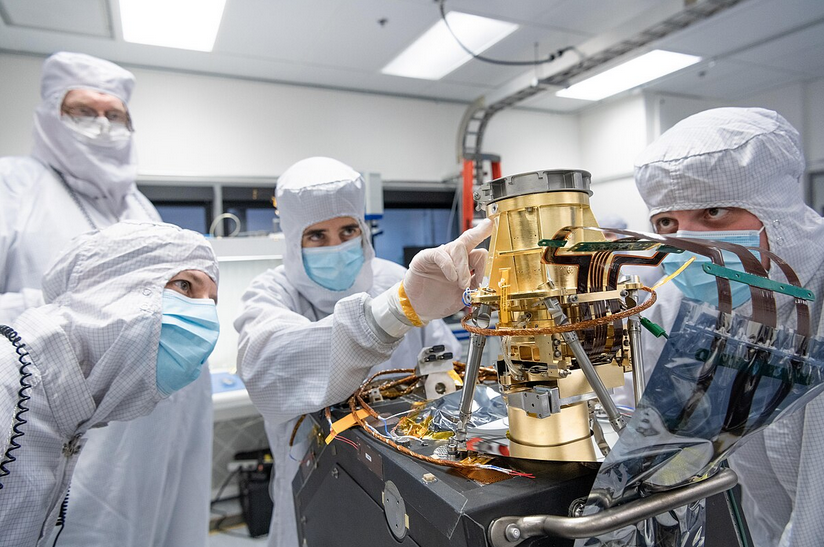
Engineers in a clean room at NASA’s Jet Propulsion Laboratory in Southern California in April 2023 examine the imaging spectrometer that will ride aboard the first of two satellites to be launched by the Carbon Mapper Coalition.
Attribution: NASA Jet Propulsion Laboratory / Carbon Mapper/JPL-Caltech, Public domain, via Wikimedia Commons
File URL: https://commons.wikimedia.org/wiki/File:JPL_Engineers_Work_on_Carbon_Mapper_Imaging_Spectrometer_(PIA25869).jpg
Addressing methane emissions is vital to mitigating climate change, as reductions yield rapid benefits due to methane’s shorter lifespan. A combination of strategies, including technological innovations, improved agricultural practices, and international cooperation, is required to combat this challenge. Efforts like breeding low-methane livestock, capturing methane from landfills, and adopting advanced leak detection in energy systems highlight the potential to significantly lower emissions. Tackling methane today offers an immediate opportunity to slow global warming while complementing long-term reductions in carbon dioxide.
What is Methane Gas
Methane (CH₄) is a greenhouse gas, significantly contributing to global warming. Human activities emit approximately 400 million metric tons of methane annually, accounting for about two-thirds of total methane emissions into the atmosphere.[2] Methane traps the sun’s energy and keeps it from radiating back into space, thereby warming the Earth[3].
Although methane remains in the atmosphere for a shorter period compared to carbon dioxide (CO₂), it has a much higher heat-trapping capability during that time. The effects of methane emissions are measured using Global Warming Potential (GWP), which compares the warming impact of a gas to carbon dioxide (CO₂) over specific time frames. Over a 20-year period, methane’s GWP is approximately 84 times that of CO₂.[4]
The primary human-induced sources of methane emissions[5] include:
- Agriculture: Activities such as livestock farming (enteric fermentation) and rice cultivation contribute significantly to methane emissions.
- Fossil Fuels: Extraction, processing, and distribution of oil, natural gas, and coal release substantial amounts of methane.
- Waste Management: Decomposition of organic waste in landfills and wastewater treatment facilities produces methane.
Addressing methane emissions is crucial for mitigating climate change, especially in the near term, due to its high GWP and the current rapid increase in atmospheric methane concentrations.[6]
Global Warming Potential of Methane:
- 20-year GWP (GWP20): Over 20 years, methane’s GWP is approximately 82.5, meaning one tonne of methane equals the warming effect of 82.5 tonnes of CO₂.[7]
- 100-year GWP (GWP100): Over 100 years, methane’s GWP is around 30, equivalent to 30 tonnes of CO₂ in warming potential.[8]
Historical Trends in Methane Concentrations:
- Pre-Industrial Levels: Before 1750, methane concentrations were approximately 722 parts per billion (ppb).[9]
- Current Levels: By 2023, concentrations have exceeded 1,900 ppb—more than 250% of pre-industrial levels.[10]
- Recent Increases: Methane levels have surged in recent years, with significant annual increases observed in 2021 and 2022.[11]
Methane’s Lifespan and Implications:
Methane remains in the atmosphere for about 12 years, much shorter than CO₂. However, its high GWP—especially over shorter time frames—makes it a critical target for immediate climate action. Addressing emissions from agriculture, fossil fuels, and waste management can significantly reduce near-term global warming.
The substantial increase in methane concentrations since pre-industrial times highlights the urgency of mitigation efforts. Tackling methane emissions is one of the fastest and most effective ways to slow climate change and achieve global climate goals.
Methane emission reduction is a key element in the fight against climate change. As one of the most potent greenhouse gases, its mitigation offers immediate and measurable benefits for slowing global warming. Innovations like selective breeding of low-methane livestock, methane-inhibiting feed additives, and advanced technologies for capturing and repurposing methane provide scalable solutions across industries.
However, no single strategy will suffice. Coordinated efforts across agriculture, energy, and waste management, supported by international pledges like the Global Methane Pledge[12], are essential to achieving meaningful reductions. Initiatives like Hilda the calf symbolise the potential of science and technology to reshape our relationship with the environment. By embracing such innovations and acting decisively, humanity can turn the tide in the war against greenhouse gases and build a sustainable future.
Addressing methane requires not only scientific innovation but also regulatory frameworks and global cooperation. Governments must incentivise methane capture technologies, subsidise sustainable farming practices, and enforce stricter emissions standards in the fossil fuel industry. Collaboration between the public and private sectors is key to scaling these solutions.
Cows Could Save Humanity
Scientists in Scotland have bred a calf that produces less methane in an effort to combat greenhouse gas emissions from farming. Hilda is a calf and the first in her Dumfries herd to be born using IVF, which accelerates selective breeding. She could become “a cow that saved the world”.
The breeding of livestock that produce less methane is an exciting and promising development in the fight against greenhouse gas emissions, particularly because farming, especially cattle farming, is a major source of methane emissions globally. Scientists are exploring multiple approaches, including genetic selection, dietary changes, and innovative breeding techniques, to mitigate this impact.
Hilda the Calf and Low-Methane Livestock
The Role of Selective Breeding:
- Hilda is part of a project aimed at breeding cows with lower methane emissions by selecting traits linked to reduced enteric fermentation (the digestive process in cows that generates methane).
- By accelerating selective breeding through IVF, scientists can rapidly propagate desirable traits across herds, potentially leading to a significant reduction in methane emissions over time.

“Free young cow grass field” is marked with CC0 1.0
This work has been marked as dedicated to the public domain.
Why It Matters:
- Cows and other ruminants are responsible for around 30% of global methane emissions, primarily from their digestive process.
- Methane has a global warming potential (GWP) approximately 25 times greater than CO₂ over 100 years, making reductions in agricultural methane crucial for climate goals.
Impact of Low-Methane Livestock:
- If scaled globally, breeding low-methane cattle could substantially reduce agricultural methane emissions, especially when combined with other strategies like methane-inhibiting feed additives.
Are Cows Solely to Blame?[13]
Cows are not the only animals that expel methane gas. Many animals, particularly ruminants[14], and other organisms emit methane during digestion as part of their natural biological processes. In fact, animals have been expelling methane gas for a long time – way back to the era of dinosaurs and probably before.
Here’s a detailed look at what animals have been doing:
Animals That Expel Methane

Food digestion in the simple stomach of nonruminant animals versus ruminants
Citation: Ruminant. (2024, December 6). In Wikipedia. https://en.wikipedia.org/wiki/Ruminant
Author: Ariya Shookh
This work is licensed under the Creative Commons Attribution-ShareAlike 3.0 License.
Ruminants (Major Contributors)
- Ruminants are animals with a multi-chambered stomach, which includes cows, sheep, goats, deer, and buffalo.
- Methane is produced during enteric fermentation, a digestive process where microbes break down fibrous plant material in the stomach.
Non-Ruminants
- Some non-ruminant animals, such as horses and pigs, also produce methane, but at much lower levels compared to ruminants because their digestive systems are less specialized for fermenting fibrous material.
Wild Animals
- Certain wild herbivores, like moose, bison, and giraffes, are also ruminants and produce methane through similar digestive processes.
- Termites, though tiny, collectively produce significant methane due to the microbial breakdown of cellulose in their guts.
Methane from Non-Digestive Sources
- Manure: Methane is released during the decomposition of animal manure, particularly when stored in anaerobic conditions (e.g., liquid manure storage systems).
Relative Contributions of Different Animals
- Cows: Among the largest contributors due to their size, diet, and global population.
- Sheep and Goats: Significant contributors, especially in regions where they are a major livestock type (e.g., Australia, New Zealand).
- Termites: Despite their size, termites contribute substantially due to their global population and cellulose-rich diet.
Non-Animal Methane Producers
Methane is also produced by non-animal sources, including:
- Wetlands (largest natural source).
- Decomposing organic matter in landfills.
- Methanogenic microbes in environments like rice paddies and oceans.
While cows are a major source of methane emissions due to their global population and digestion process, they are far from the only contributors. Other ruminants, non-ruminants, and even insects like termites, along with human-related activities, contribute to methane emissions. Tackling methane emissions requires a holistic approach across all sources.
Among the first animals to cause methane emissions were the dinosaurs. Let’s remind ourselves with what happened to them.
Fire, Fury, and Extinction: The Last Days of the Dinosaurs

Illustration of dinosaurs and other prehistoric animals in a lush jungle setting.
Drawn by DALL-E, a subset of ChatGPT on 6th January 2025.
The extinction of dinosaurs, approximately 66 million years ago, is widely attributed to a catastrophic event known as the Cretaceous–Paleogene (K–Pg) extinction event[15]. This event wiped out about 75% of Earth’s species, including most dinosaurs (except for their avian descendants). The main causes, supported by scientific evidence, are as follows:
1. Asteroid Impact (This was the primary cause and triggered a chain reaction of carnage)
- What Happened: A 10–15-kilometre-wide asteroid struck near present-day Chicxulub, Mexico, creating a 150-kilometre-wide crater.
- Effects: The impact released an enormous amount of energy, equivalent to several billion atomic bombs.
It caused:
- Immediate fires and shockwaves.
- A massive dust and debris cloud that blocked sunlight for months or years, leading to a dramatic drop in global temperatures (“impact winter”).
- Acid rain and disruption of the Earth’s climate.
- Photosynthesis in plants to cease, disrupting food chains.
2. Volcanic Activity
- Where: The Deccan Traps in present-day India.
- What Happened: Volcanic eruptions in the Deccan Traps coincided with the asteroid impact, and lasted millennia.
These eruptions released large amounts of:
- Carbon dioxide (causing global warming).
- Sulphur dioxide (leading to acid rain and cooling).
Effects:
Combined with the asteroid’s impact, the volcanic activity exacerbated environmental stress, leading to the collapse of ecosystems.
3. Climate Change
Before the Extinction:
- Gradual changes in sea levels, temperature, and ecosystems may have already placed stress on dinosaur populations.
- Widespread volcanic activity and shifting continents could have altered habitats.
After the Impact and Eruptions:
- Rapid climate fluctuations—first, cooling from the impact winter and then warming from volcanic greenhouse gases—made survival difficult for many species.
4. Ecosystem Collapse
Food Chain Disruption:
- Plants died off due to blocked sunlight, leading to the starvation of herbivorous dinosaurs.
- The extinction of herbivores caused carnivorous dinosaurs to lose their primary food source.
Other Effects:
- Ocean acidification killed marine life, affecting the entire food web.
Evidence Supporting These Theories
- The existence of the Chicxulub Crater: The impact site has been precisely dated to the time of the extinction.
- Iridium Layer: A rare element, iridium, was found in a global layer of rock corresponding to 66 million years ago, likely deposited by the asteroid.
- Fossil Record: A sudden decrease in dinosaur fossils after the K–Pg boundary shows a rapid extinction event.
- Deccan Traps: Lava flows in India date to the same period, supporting the role of volcanic activity.
Survivors and Evolution
Small mammals, birds (descendants of theropod dinosaurs), and some reptiles survived due to their small size, diverse diets and ability to shelter from extreme conditions.
These survivors became the ancestors of modern species, while the extinction of the dinosaurs (which may have been significant contributors to methane emissions) paved the way for mammals to dominate the Earth.
Recent studies suggest that large herbivorous dinosaurs, like sauropods, may have contributed significant methane emissions through digestion, like modern ruminants.
In summary, the combination of a catastrophic asteroid impact, massive volcanic eruptions, and subsequent climate and ecosystem changes caused the extinction of dinosaurs. These events reshaped life on Earth, setting the stage for the rise of mammals and, eventually, humans.
Hidden Methane Reservoirs: Natural Sources and Their Climate Impacts
In addition to wetlands and termites, several other natural sources contribute significantly to atmospheric methane levels, with profound implications for future climate scenarios. Among these, methane hydrates in ocean sediments and methane emissions from thawing permafrost are particularly noteworthy.
Methane Hydrates
Methane hydrates, or clathrates, are ice-like crystalline structures where methane molecules are trapped within a lattice of water molecules. These hydrates are primarily found in ocean sediments along continental margins and beneath permafrost regions. The global carbon reservoir stored in methane hydrates is vast, with estimates ranging from 500 to 12,500 gigatonnes, though recent analyses suggest a more conservative figure of approximately 1,800 gigatonnes.
To put that into perspective, this is roughly equivalent to three times the amount of carbon currently in the Earth’s atmosphere or more than twice the carbon stored in all the world’s forests combined. Such a reserve highlights the potential impact these hydrates could have if destabilised.
The stability of methane hydrates is highly sensitive to temperature and pressure changes. Warming oceans can destabilise these deposits, leading to methane release into surrounding waters and potentially into the atmosphere. However, current research indicates that most methane released from deep-sea hydrates is consumed by microbes or dissolved in seawater before reaching the atmosphere. As a result, while methane hydrates represent a significant carbon reservoir, their immediate impact on atmospheric methane levels remains limited under current conditions.
Permafrost Thawing
Permafrost, ground that remains frozen for at least two consecutive years, is predominantly found in polar regions and stores vast amounts of organic carbon accumulated over millennia. Rising global temperatures are causing permafrost to thaw, activating microbial decomposition of organic matter and releasing greenhouse gases, including methane and carbon dioxide. This process contributes to the permafrost carbon feedback mechanism, a potentially significant amplifier of climate change.
Methane emissions from thawing permafrost are a growing concern. Studies estimate that methane could account for approximately 20% of the warming caused by permafrost carbon release by 2100. When thermokarst lakes—formed from thawed permafrost—are included, methane’s contribution to surface warming may rise to between 30% and 50%.
Implications for Future Climate Scenarios
The release of methane from natural sources like hydrates and permafrost presents feedback mechanisms that could intensify global warming. While the immediate risk from methane hydrates appears minimal, the accelerating thaw of permafrost poses a more urgent concern. Increased methane emissions from these sources could make it more challenging to achieve climate targets, such as those set by the Paris Agreement.
Incorporating natural methane sources into climate models is critical for accurate future projections. Understanding these dynamics is essential for developing mitigation strategies that limit global temperature increases, reducing the activation of these dangerous feedback loops.
Other Theories of Extinction
Beyond the widely accepted theories of an asteroid impact and volcanic activity, several alternative or supplementary theories have been proposed to explain the catastrophic events that led to the extinction of the dinosaurs approximately 66 million years ago. While these theories are less supported than the asteroid impact and Deccan Traps volcanic hypothesis, they provide additional perspectives on what might have contributed to the mass extinction.
Multiple Asteroid Impacts
- What It Proposes: Instead of a single asteroid impact (Chicxulub), this theory suggests that multiple asteroids or comets struck the Earth around the same time, compounding the environmental damage.
- Evidence: Some scientists point to the existence of other impact craters, such as the Boltysh crater in the Kirovohrad Oblast of Ukraine, near the village of Bovtyshka, Ukraine, which is close in age to the Chicxulub impact. This could indicate a “meteor swarm.”
- Challenges: These craters are much smaller than Chicxulub, and their environmental effects would have been more localised, making it unlikely they caused global extinction.
Massive Release of Methane from Oceanic Hydrates
- What It Proposes: The rapid warming of ocean waters, which triggered a massive release of methane from methane hydrates (frozen methane deposits) on the seafloor.
- Mechanism: Methane is a potent greenhouse gas, and its sudden release could have caused extreme global warming, ocean acidification, and disruption of ecosystems.
- Evidence: Methane release events, such as those that occurred during the Palaeocene-Eocene Thermal Maximum, show that such phenomena can lead to dramatic climate shifts.
- Challenges: There is limited direct evidence linking methane hydrate release to the K–Pg extinction event.
Global Wildfires
- What It Proposes: The asteroid impact or volcanic activity triggered massive global wildfires, releasing enormous amounts of carbon dioxide, soot, and other aerosols into the atmosphere.
- Evidence: Charcoal deposits and soot layers corresponding to the K–Pg boundary have been found in rock records worldwide.
- Challenges: While global wildfires would have exacerbated the environmental crisis, they are generally viewed as being a consequence of the asteroid impact rather than an independent cause.
Volcanism Elsewhere
- What It Proposes: Volcanic activity in regions other than the Deccan Traps, such as the North Atlantic Igneous Province, may have contributed to the extinction.
- Evidence: Some geological records suggest increased volcanic activity in multiple locations during this period.
- Challenges: These volcanic events were less intense than the Deccan Traps eruptions and are unlikely to have had a comparable global impact.
Gradual Environmental Deterioration
- What It Proposes: Long-term environmental changes, such as shifting continents, changing sea levels, and reduced biodiversity, weakened ecosystems, making them more vulnerable to sudden catastrophic events.
- Evidence: The fossil record shows a decline in some dinosaur populations before the extinction, possibly due to habitat loss and competition.
- Challenges: This theory cannot fully explain the abrupt nature of the extinction event observed at the K–Pg boundary.
Supernova Radiation
- What It Proposes: A nearby supernova (exploding star) could have bathed Earth in harmful radiation, damaging ecosystems and causing climate disruption.
- Mechanism: High-energy gamma rays and cosmic rays from a supernova could have depleted the ozone layer, allowing harmful ultraviolet radiation to reach Earth’s surface.
- Challenges: There is no direct evidence of a nearby supernova occurring around the time of the extinction.
Combined Theories
- What It Proposes: The extinction was caused by a combination of several factors, such as the asteroid impact, volcanic activity, and pre-existing environmental stresses. Each contributed to a “perfect storm” of catastrophic events.
- Evidence: The combination of the Chicxulub impact and the Deccan Traps eruptions aligns with the observed geological and fossil evidence.
- Challenges: While this multi-causal explanation is plausible, determining the relative contributions of each factor remains a challenge.
While the asteroid impact remains the leading explanation for the K–Pg extinction, these alternative theories and supplementary mechanisms highlight the complexity of mass extinction events. The extinction of dinosaurs marked the end of one of Earth’s most iconic eras and paved the way for the rise of mammals—and eventually, humans—forever altering the trajectory of life on Earth.
From Dinosaurs to Dairy: Methane Through the Ages
Methane emissions are often considered a modern environmental challenge, but their origins stretch back millions of years, long before human activity dominated the planet. In the time of the dinosaurs, massive herbivores like sauropods roamed the Earth, emitting methane as part of their digestion. These giants, with their vast appetites and specialised gut microbes, may have contributed significant amounts of methane to the prehistoric atmosphere, shaping the climate of their time.
Fast forward to today, and methane emissions have taken on a new role as a pressing concern in the fight against climate change. Modern ruminants such as cows, sheep, and goats, bred on an unprecedented scale for human consumption, produce methane at levels that rival even the ancient giants. However, unlike the natural emissions of the Mesozoic Era, today’s methane problem is compounded by human-driven factors such as industrial agriculture and deforestation, amplifying its impact on global warming.
This section explores the fascinating parallels and stark contrasts between methane emissions in the age of dinosaurs and those in the Anthropocene, highlighting how a natural phenomenon has evolved into a modern environmental crisis.
Modern Ruminants and Methane Emissions
Global Population:
Today, there are an estimated 3.8 billion ruminants worldwide, including cows, sheep, goats, and buffalo. Livestock farming, driven by human demand for meat, milk, and wool, has drastically increased ruminant populations compared to historical levels.
Methane Contribution
Ruminants are responsible for around 30% of human-driven methane emissions, primarily due to their digestive process (enteric fermentation).
Ancient Methane Emissions at the Time of Dinosaurs:
Mesozoic Era (252–66 million years ago):
- Large herbivorous dinosaurs, particularly sauropods (e.g., Brachiosaurus, Diplodocus), likely produced significant methane. Sauropods had massive digestive systems that relied on fermentation to break down plant material, similar to modern ruminants.
Estimates of Methane Emissions:
Studies suggest sauropods could have emitted 520 million tonnes of methane per year, comparable to modern methane emissions from all current human activities (~570 million tonnes annually).15F[16]
Ancient Ruminant Relatives:
Ruminants evolved around 50 million years ago, long after the dinosaurs. Early ruminants were fewer in number and smaller than modern livestock, so their methane emissions were negligible compared to today’s domesticated populations.
Environmental Impact of Ancient Methane
Mesozoic Methane and Climate:
- During the Mesozoic, Earth’s climate was warmer, with higher levels of atmospheric greenhouse gases like methane and CO₂.
- Methane emissions from dinosaurs and wetlands may have contributed to the “hothouse climate” of that era, but they were part of a natural carbon cycle without human interference.
Modern Contrast:
Today, human activities amplify methane emissions beyond natural levels, disrupting the climate balance.
Unlike ancient times, methane emissions now occur alongside industrial CO₂ emissions, compounding the greenhouse effect.
Key Differences Between Then and Now
| Aspect | Mesozoic Era | Modern Era |
| Primary Emitters | Dinosaurs (e.g., sauropods) | Domesticated livestock (e.g., cows) |
| Methane Drivers | Natural processes | Human-driven agriculture and industry |
| Environmental Impact | Part of natural climate cycles | Contributing to anthropogenic warming |
While ancient methane emissions from dinosaurs and early ruminants may have influenced prehistoric climates, they occurred in a natural ecosystem. In contrast, today’s ruminant methane emissions are a direct result of human activities, particularly industrial-scale livestock farming. The scale and impact of modern methane emissions are exacerbated by simultaneous CO₂ emissions and deforestation, making their environmental damage far greater than during the time of the dinosaurs.
Other Strategies to Reduce Livestock Methane Emissions
- Dietary Changes: Adding supplements like seaweed or other methane-reducing compounds to livestock feed has shown promise in cutting emissions.
- Vaccination: Research is underway to develop vaccines that reduce the methanogenic microbes in cattle’s stomachs.
- Manure Management: Improving the way livestock waste is handled can also reduce methane emissions.
Why This Matters Globally
Reducing methane emissions is critical for addressing climate change, given methane’s high global warming potential (GWP).
Hilda’s story highlights the power of science and innovation in addressing climate challenges. While breeding low-methane cows alone won’t alone “save the world,” it’s a step in the right direction when combined with broader efforts across agriculture, energy, and waste management.
Innovations in Livestock Methane Reduction
Livestock farming is one of the largest contributors to global methane emissions. Efforts to mitigate these emissions focus on science, technology, and improved practices. For example:
Selective Breeding
- How It Works: Breeding cattle with naturally low-methane-producing traits. Advanced techniques like IVF accelerate the spread of these traits.
- Potential Impact: Over time, global herds could produce significantly less methane per animal while maintaining productivity.
- Challenges: Widespread adoption requires global cooperation, which can be difficult due to costs and logistical barriers.
Dietary Additives
- Seaweed Supplements: Adding small amounts of red seaweed (Asparagopsis taxiformis) to cattle feed can reduce methane emissions by up to 80%.
- Methane-Inhibiting Feed Additives: Compounds like 3-NOP (3-nitrooxypropanol) have shown promise in reducing methane without affecting animal health.
- Benefits: Immediate reductions in emissions while complementing long-term breeding strategies.
Microbiome Manipulation
- How It Works: Altering the gut microbiota in livestock to reduce methane-producing microbes.
- Current Research: Vaccines targeting methanogenic archaea (microbes responsible for methane in the gut) are under development, offering a potential long-term solution.
Manure Management
- How It Works: Methane from livestock manure is captured and converted into biogas, which can be used as a renewable energy source.
- Examples: Anaerobic digesters[17] are being deployed in farms worldwide to reduce emissions and generate energy.
Broader Innovations
In addition to agriculture, other major methane sources are being targeted:
Fossil Fuel Industry
- Methane Leak Detection and Repair: Advanced technologies like drones, satellites, and infrared cameras are identifying and fixing leaks in oil and gas infrastructure.
- Methane Capture Technology: Systems that capture methane from oil drilling or coal mines and repurpose it for energy use.
Landfill and Waste Management
- Methane Capture in Landfills: Capturing methane from decomposing organic waste and converting it to energy.
- Organic Waste Diversion: Composting and other methods reduce the amount of organic waste sent to landfills, limiting methane production.
Global Climate Goals and Methane Reduction
The urgency of addressing methane emissions is reflected in international agreements and initiatives:
- Global Methane Pledge: Launched at COP26 in 2021, over 150 countries committed to reducing methane emissions by 30% by 2030, relative to 2020 levels.
- Paris Agreement: Methane reduction is essential for meeting the 1.5°C target, as it delivers immediate climate benefits due to methane’s short atmospheric lifespan (~12 years).
- United Nations FAO Initiatives: The UN Food and Agriculture Organization promotes sustainable livestock practices to reduce methane while ensuring food security.

Picture: Greenhouse gases trap some of the heat that results when sunlight heats the Earth’s surface. Three important greenhouse gases are shown symbolically in this image: carbon dioxide, water vapor, and methane (CH4).
Citation: Greenhouse gas. (2024, December 9). In Wikipedia. https://en.wikipedia.org/wiki/Greenhouse_gas
Attribution: A loose necktie, CC BY-SA 4.0 <https://creativecommons.org/licenses/by-sa/4.0>, via Wikimedia Commons
This file is licensed under the Creative Commons Attribution-Share Alike 4.0 International license.
The Cost of Change: Economic Challenges in Methane Reduction
Implementing methane reduction technologies, while essential for combating climate change, presents industries with significant economic challenges and trade-offs. These challenges span from high upfront costs to ongoing operational expenditures, as well as broader financial implications that influence market dynamics and competitiveness.
Capital Expenditure (CapEx): Investing in Infrastructure
Adopting methane abatement technologies often demands substantial upfront investments. Industries like oil and gas require costly infrastructure upgrades, including leak detection systems, vapour recovery units, and improved flaring systems. For smaller operators, these expenses can be particularly burdensome, often requiring external financing to implement effectively (McKinsey & Company).
Operational Expenditure (OpEx): Sustaining Technologies
Even after implementation, methane reduction technologies incur significant operational costs. Regular monitoring, system repairs, and technology updates are essential to maintain effectiveness, adding a layer of continuous expenditure. Smaller enterprises may struggle to balance these costs against limited revenues (McKinsey & Company).
Balancing Economic Viability and Environmental Responsibility
Industries face the challenge of conducting cost-benefit analyses to determine the economic feasibility of methane reduction measures. While some initiatives, like capturing methane for energy use, can provide long-term savings, others may not yield immediate returns. Companies must weigh these investments against potential penalties for regulatory non-compliance (Environmental Defense Fund).
Regulatory Compliance and Market Dynamics
Stricter environmental standards often impose additional costs on industries. Failure to comply with these regulations can result in hefty fines and reputational damage. However, regulatory inconsistencies across regions may lead to market imbalances, with industries in less-regulated areas benefiting from lower operational costs, creating competitive disparities (International Energy Agency).
Technological and Financial Barriers
The rapid evolution of methane reduction technologies introduces uncertainty. Industries face risks of obsolescence or inefficiency when investing in emerging solutions. Additionally, securing financing for these projects remains a significant barrier, especially for small and medium-sized enterprises (Climate Policy Initiative).
Supply Chain Disruptions
Modifying existing processes to incorporate methane reduction technologies may temporarily disrupt supply chains and productivity. These operational adjustments, though short-term, can result in financial losses and hinder adoption (World Economic Forum).
Addressing the Challenges: Collaborative Solutions
Overcoming these economic barriers requires a concerted effort from industry stakeholders, governments, and financial institutions. Potential strategies include:
- Incentive Programs: Offering tax credits, subsidies, and grants to offset implementation costs (International Energy Agency).
- Public-Private Partnerships: Encouraging joint investments in research, development, and deployment of cost-effective solutions (Climate Policy Initiative).
- Carbon Pricing Mechanisms: Creating market incentives for methane reductions by internalizing environmental costs (Harvard Scholar).
If these challenges are addressed collaboratively and effectively, industries can better align financial considerations with environmental responsibilities, paving the way for effective methane mitigation.
Building Awareness: The Key to Tackling Methane Emissions
Addressing methane emissions requires a multifaceted approach that extends beyond technical solutions like taxes, subsidies, or international regulations. Public awareness campaigns and government policy shifts are pivotal in engaging society and driving the behavioral changes necessary for effective methane reduction. These strategies ensure that methane mitigation becomes a shared responsibility across all levels of society.
Public Awareness Campaigns
- Educational Initiatives: Informing the public about methane’s impact on climate change and health is essential. Campaigns utilising media, community programs, and educational institutions can disseminate information and foster a well-informed citizenry. For instance, organizations like Earthworks and the Clean Air Task Force have employed infrared cameras to reveal methane leaks, raising awareness and spurring policy changes (ClimateWorks).
- Behavioural Change Promotion: Awareness campaigns can encourage individuals and businesses to adopt methane-reducing practices, such as proper waste management, dietary adjustments, and support for sustainable products. Integrating traditional waste reduction practices through public education complements downstream waste management actions (North Arrow).
Government Policy Shifts
- Strategic Frameworks: Governments can develop comprehensive methane action plans that outline sector-specific objectives and policies. The UK’s Methane Action Plan (2024–2026) exemplifies this, targeting methane reductions across various sectors (Gov.uk).
- International Collaboration: Participation in global initiatives, such as the Global Methane Pledge—aiming to cut global methane emissions by at least 30% by 2030—demonstrates a commitment to collective action and encourages global cooperation (Environment Agency Blog).
- Regulatory Measures: Regulations mandating methane emission reductions, such as banning routine venting and flaring in the oil and gas industry, can drive significant progress. The UK’s Methane Memorandum[18] reflects its commitment to exploring and implementing such measures (Gov.uk).
Community Engagement
- Stakeholder Involvement: Engaging local communities, industry stakeholders, and non-governmental organisations in policy development ensures that diverse perspectives are considered. This inclusive approach enhances the effectiveness and acceptance of methane reduction strategies, as seen in the UK’s efforts (UK Parliament Committees).
- Support for Innovation: Encouraging and funding research into new technologies and practices for methane reduction can lead to more effective and economically viable solutions. Public awareness and government support are critical to the adoption of innovations, such as methane-reducing feed additives in agriculture (UK Parliament Committees).
- Creating a Shared Responsibility: By integrating public awareness campaigns and strategic policy shifts, societies can foster an environment where methane reduction becomes a collective responsibility. This approach ensures that both technical solutions and societal engagement work in tandem to achieve more sustainable and impactful outcomes.
Ethical Dimensions of Genetic Interventions in Livestock Methane Mitigation
Efforts to reduce methane emissions from livestock through selective breeding and genetic modification introduce several ethical considerations. These interventions, while promising in their potential to mitigate climate change, raise questions about animal welfare, societal values, and long-term sustainability.
Animal Welfare: Balancing Health and Environmental Goals
Selective Breeding: Targeting traits that reduce methane emissions through selective breeding may inadvertently prioritize specific characteristics at the expense of others. This focus could lead to unforeseen health issues or reduced genetic diversity, potentially compromising the overall well-being of livestock. Safeguarding animal health must remain central to ensure that environmental benefits do not come at the cost of animal welfare. Source: Oxford Academic
Genetic Modification: Advanced techniques like genome editing enable precise changes to livestock DNA to reduce emissions. However, these interventions carry risks, such as unintended genetic mutations or unforeseen impacts on animal physiology. Rigorous research and ethical oversight are essential to mitigate these risks and uphold animal welfare standards.
Ethical Implications: Navigating Complex Moral Terrain
Naturalness and Integrity: Genetic interventions challenge traditional perceptions of naturalness and raise questions about the moral boundaries of such technologies. While some view genetic modification as a necessary step toward sustainability, others see it as an unwarranted interference with the integrity of animal life.
Consent and Agency: Animals cannot consent to genetic alterations, placing the ethical burden on humans to act responsibly. Decisions must balance environmental goals with respect for the intrinsic value of animal life, ensuring that interventions are justified and humane.
Societal Acceptance: Building Trust Through Transparency
Public Perception: The societal acceptance of genetically modified livestock products depends heavily on ethical considerations and cultural values. Transparent communication about the benefits, risks, and ethical frameworks guiding these interventions is critical to fostering informed and constructive public discourse. Source: Oxford Academic
Regulatory Frameworks: Establishing robust and inclusive regulatory systems is crucial to addressing ethical concerns and ensuring animal welfare. These frameworks should be informed by diverse stakeholders, including ethicists, scientists, industry representatives, and consumers, to reflect societal values and build public trust.
Long-Term Implications: Weighing Sustainability and Ethics
Sustainability vs. Ethics: Reducing methane emissions is a crucial sustainability goal, but it must not be pursued with a disregard of ethical principles. Solutions that prioritise environmental benefits over ethical considerations may face resistance or unintended consequences, undermining their effectiveness.
Holistic Approaches: Combining genetic interventions with other strategies, such as dietary modifications and improved livestock management practices, offers a more balanced and ethically informed approach to methane mitigation. By integrating multiple methods, it is possible to achieve sustainability goals while respecting animal welfare and societal values.
Incorporating ethical considerations into methane reduction strategies is essential to ensure that these solutions are both effective and socially acceptable. By addressing concerns about animal welfare, societal acceptance, and long-term implications, policymakers and scientists can foster a more comprehensive approach to sustainability—one that respects the balance between environmental responsibility and ethical accountability.
The Future of Methane Mitigation: Technologies on the Horizon
Promising innovations such as methane vaccines and microbiome manipulation represent exciting frontiers in methane mitigation. However, their practical potential and limitations must be critically assessed to understand how they can be integrated into global efforts to combat climate change.
Methane Vaccines
Methane vaccines aim to reduce methane emissions by targeting the methanogenic microbes in the digestive systems of ruminants, particularly in the rumen (the first stomach chamber).
Technological Readiness: Research into methane vaccines is at an advanced experimental stage. Initial trials have demonstrated the potential for these vaccines to suppress methane-producing microbes effectively, reducing emissions by up to 20–30%. However, no methane vaccine has yet (at January 2025) reached commercial availability.
Long-term studies are needed to ensure consistent efficacy, safety for livestock, and the absence of unintended effects on digestion or health.
Scalability Challenges:
- Producing and distributing vaccines on a global scale presents logistical challenges, especially for developing regions where access to veterinary services may be limited.
- The need for repeated vaccinations to maintain efficacy could increase costs and logistical complexity.
Microbiome Manipulation
Microbiome manipulation involves altering the microbial communities in the digestive systems of ruminants to reduce methane production without compromising digestive efficiency.
Technological Readiness: Microbiome-based approaches, such as probiotics, prebiotics, or direct microbial interventions, are in early to mid-stages of development. Probiotic supplements have shown promise in reducing methane emissions, but consistent results across various diets and environmental conditions remain a challenge.
Genetic engineering of rumen microbes is an emerging field, offering the potential for targeted reductions in methane production. However, ethical and regulatory concerns could delay widespread adoption.
Scalability Challenges:
- Adjusting the microbiome of livestock at scale requires tailored solutions for different breeds, diets, and climates, complicating large-scale implementation.
- Ensuring long-term stability of the modified microbiome and avoiding unintended ecological impacts are critical areas requiring further research.
Practical Potential and Limitations
Cost Considerations: Both methane vaccines and microbiome manipulation solutions require significant investment in research, production, and distribution. Their cost-effectiveness compared to simpler solutions, such as feed additives, remains uncertain.
Regulatory Hurdles: Innovations like microbiome manipulation may face stringent regulatory scrutiny due to their potential impacts on animal health, food safety, and ecosystems.
Adoption Barriers: Farmer adoption could be hindered by costs, lack of awareness, or skepticism about novel technologies. Incentives and education programs will be essential to drive uptake.
Complementary Solutions: These innovations are unlikely to be standalone solutions. Combining them with other strategies, such as improved waste management, selective breeding, and dietary changes, could enhance their effectiveness and mitigate limitations.
Looking Ahead
Methane vaccines and microbiome manipulation hold significant promise as part of a multi-pronged approach to methane mitigation. However, their readiness for widespread adoption is still several years away, requiring continued investment in research, pilot programs, and infrastructure development. Ensuring scalability and addressing economic, regulatory, and ethical concerns will be key to unlocking their potential as transformative tools in the fight against climate change.
Concluding Words
Investing in methane reduction strategies is not just an environmental imperative but also an economic opportunity. Initiatives such as biogas plants transform methane emissions into renewable energy, creating local jobs, reducing dependence on fossil fuels, and fostering sustainable development. Similarly, improving waste management and recycling systems not only mitigate methane emissions but also stimulate economic growth in under-resourced regions.
Despite methane’s critical role as a potent greenhouse gas, public awareness of its impact remains limited compared to carbon dioxide. Bridging this gap requires focused educational campaigns and accessible, transparent data on methane sources. Success stories, like Hilda the low-methane calf, illustrate the power of innovation and inspire collective action. Highlighting these achievements can galvanise public and private support for methane-reduction policies and technologies.
This paper has detailed a diverse array of strategies being employed worldwide to tackle methane emissions. From innovative livestock solutions to large-scale biogas operations, advanced satellite monitoring, and improved waste management practices, these efforts collectively demonstrate the scope of possibilities in addressing one of the most potent contributors to climate change.
The fight against methane requires sustained commitment and collaboration at all levels—government, industry, and individuals. By acting decisively, we can harness the benefits of these strategies to slow global warming, protect ecosystems, and secure a more sustainable future for all. The urgency is clear, the solutions are within reach, and the time to act is now.

Green House Gas by Sector, as estimated by the Emission Database for Global Atmospheric Research Fast Track 2010 Project
Attribution: Robert A. Rohde, CC BY-SA 3.0 <http://creativecommons.org/licenses/by-sa/3.0/>, via Wikimedia Commons
Appendix 1: What is Climate Change and Why Should We Worry About It?[19]
What Is It?
Climate change refers to long-term shifts in global temperatures and weather patterns. While these changes can naturally occur due to factors like solar activity or volcanic eruptions, human activities have been the primary driver of climate change since the 19th century. The burning of fossil fuels—coal, oil, and gas—has significantly increased greenhouse gas emissions, trapping heat in the Earth’s atmosphere and raising global temperatures.
Key greenhouse gases such as carbon dioxide (CO₂) and methane (CH₄) are major contributors to this warming. These gases are released through activities like driving cars, heating buildings with fossil fuels, clearing forests, and agricultural operations. Industries like energy, transportation, and agriculture are some of the largest sources of greenhouse gases globally.
The Reality of Human Impact
Scientific research has established that nearly all global warming over the past 200 years is due to human activity. The planet’s surface temperature is now about 1.2°C warmer than it was in the late 19th century, making the current period the warmest in over 100,000 years. Each decade since the 1850s has been progressively hotter, with the years between 2011 and 2020 being the warmest on record.
While the term “climate change” often brings to mind rising temperatures, its impacts are far-reaching. Because Earth’s systems are interconnected, a shift in one area triggers cascading effects elsewhere. These include severe droughts, water shortages, wildfires, rising sea levels, floods, melting polar ice, stronger storms, and a decline in biodiversity.
The Human Cost of Climate Change
Climate change affects health, food security, housing, and livelihoods, with its impacts being felt unequally. Vulnerable populations, such as those in small island nations or developing countries, are already facing dire consequences like rising sea levels, saltwater intrusion, and extreme droughts, which force communities to relocate or face famine. As the climate crisis intensifies, the number of people displaced by weather-related events is expected to rise significantly.
Why Every Degree Matters
Scientific consensus shows that limiting global warming to 1.5°C is critical to avoiding the most catastrophic effects of climate change. Yet, current policies suggest that global temperatures could rise by as much as 3.1°C by the end of this century. This highlights the urgent need for action, particularly by the largest emitters—China, the United States, India, the European Union, Russia, and Brazil—which collectively account for over half of global greenhouse gas emissions. By contrast, the least developed countries contribute only about 3% of emissions, underscoring the need for those most responsible to lead mitigation efforts.
Solutions and Global Collaboration
Addressing climate change requires a multi-pronged approach:
- Cutting Emissions: Transitioning from fossil fuels to renewable energy sources like solar and wind is critical. To limit warming to 1.5°C, global emissions must be halved by 2030, and the production and use of fossil fuels must decrease by at least 30%.
- Adapting to Impacts: Protecting people, ecosystems, and infrastructure from the current and anticipated effects of climate change is essential. For example, investing in disaster early warning systems can save lives and deliver benefits far exceeding their costs.
- Financing Adjustments: Governments and businesses need to make significant financial investments in climate solutions. Supporting developing countries is especially important to help them adapt and transition to sustainable economies.
Climate action is not only a moral imperative but also an economic necessity. Inaction will lead to far greater costs in the long run. The transition to greener systems can offer substantial benefits, including improved quality of life, job creation, and environmental restoration.
The Path Forward
While the challenge is enormous, we already have the tools and frameworks to address it, such as the Paris Agreement and the UN’s Sustainable Development Goals. Governments, businesses, and individuals must act collectively and swiftly to implement solutions. This includes reducing emissions, adapting to impacts, and fostering international cooperation to create a more sustainable and equitable future.
Investing in climate action today will pay dividends for generations to come, ensuring a livable planet for all.
Appendix 2: Tangible Examples of Methane Mitigation
Methane gas emission reduction efforts like Hilda the calf represent how targeted innovations can make a measurable difference. When combined with large-scale initiatives across industries, methane reduction becomes a cornerstone of climate action. Reducing methane complements efforts to cut CO₂ and other greenhouse gases. Combined strategies can amplify benefits:
- Methane reductions deliver rapid warming relief, giving more time to address long-term CO₂ emissions.
- Methane capture technologies can generate renewable energy, supporting decarbonisation of energy systems.
Livestock and Agriculture
Breeding Low-Methane Livestock:
- Hilda the Calf (Scotland): A project using IVF to selectively breed cows that naturally produce less methane, aiming to rapidly scale low-methane genetics. Source: Roslin Institute Livestock Research
- Australia’s Methane-Busting Cattle: Research by CSIRO focuses on breeding cattle with lower methane emissions, achieving reductions of up to 20% in some herds. Source: CSIRO on Methane-Reducing Cattle
Seaweed Feed Supplements:
- Sea Forest (Australia): Cultivating Asparagopsis seaweed to supply feedlots and dairy farms, with reductions of up to 80% in methane emissions. Source: Sea Forest Website
- Blue Ocean Barns (USA): Produces seaweed-based livestock feed additives, with promising pilot projects in the US and New Zealand. Source: Blue Ocean Barns Website
Methane Vaccines and Feed Additives:
- Vaccine Development (New Zealand): AgResearch is developing vaccines targeting methane-producing microbes in ruminant stomachs, showing promise in early trials. Source: AgResearch on Methane Vaccines
- Methane-Inhibiting Feed Additive (3-NOP): Developed by DSM, the additive Bovaer reduces dairy cow methane emissions by 30%, with trials in the EU, US, and Brazil. Source: DSM on Bovaer
Anaerobic Digesters:
- Biogas Projects in India: Villages are converting livestock manure into biogas for cooking and lighting, reducing methane emissions and providing clean energy. Source: UNDP Biogas Projects
- Methane Capture in US Feedlots: Colorado feedlots use anaerobic digestion systems to capture methane from manure, converting it into electricity. Source: Colorado State Agricultural Research
Energy Sector
Leak Detection and Repair:
- MethaneSAT (Global): A satellite funded by the Environmental Defense Fund (EDF) to monitor methane leaks from oil and gas infrastructure. Source: EDF MethaneSAT Project
- Project Astra (USA): Deploys low-cost sensors and analytics to detect and repair methane leaks in oil fields across Texas. Source: Environmental Defense Fund (EDF) EDF on Project Astra
Methane Capture and Flaring Reduction
- Equinor’s Carbon Capture (Norway): Methane from offshore oil operations is captured and reinjected into reservoirs, preventing atmospheric release. Source: Equinor Annual Reports
- Nigeria’s Gas Flare Commercialisation Program: Captures methane from gas flaring and repurposes it for electricity generation. Source: World Bank Gas Flaring Reduction
- Russia’s Flaring Reduction Programs: Gazprom uses advanced flare gas utilisation systems in Siberian production sites. Source: Gazprom Sustainability
Waste Management
Landfill Gas-to-Energy Projects:
- Durban Landfill (South Africa): Methane from decomposing waste is captured and converted into electricity, powering over 6,000 homes annually. Source: South African Renewable Energy Council
South African Energy Council - Recology (USA): Operates landfill gas collection systems in California, converting methane into renewable natural gas (RNG). Source: Recology Landfill Systems
Organic Waste Diversion:
- Sweden’s Biogas Plants: Organic waste is diverted to anaerobic digesters, producing biogas that powers public transport in Stockholm. Source: Swedish Waste Management Association Swedish Biogas Program
- Delhi’s Composting Initiative (India): Large-scale composting reduces methane emissions while producing natural fertilizer. Source: Delhi Municipal Council Delhi Composting Projects
Wetlands and Forestry
- Wetland Restoration (Canada): Projects in Alberta and Manitoba re-flood drained wetlands, reducing methane release and enhancing biodiversity. Source: Ducks Unlimited Canada
- Forest Methane Studies (Amazon): Research in Brazil’s Amazon rainforest identifies methane hotspots and develops mitigation strategies. Source: Brazilian National Institute for Space Research (INPE) INPE Amazon Research
Agricultural Waste Management
Rice Paddy Methane Reduction:
- Alternate Wetting and Drying (AWD): Farmers in the Philippines and Vietnam intermittently drain rice paddies, reducing methane emissions by up to 50%. Source: International Rice Research Institute (IRRI) IRRI AWD Programs
- Biochar Addition (India): Adding biochar to rice paddies reduces methane emissions by altering microbial activity in the soil. Source: Indian Agricultural Research Institute (IARI) IARI Research
Biogas from Agricultural Waste:
- Dung-to-Biogas Projects (India): Methane from cattle manure is converted into biogas for cooking, reducing emissions and reliance on firewood. Source: UNDP
- Rwanda’s Agricultural Biogas Plants: Methane from farm waste is used to generate electricity for rural communities. Source: AfDB Biogas Initiatives
Global Initiatives
- Global Methane Pledge: Over 150 countries committed to reducing methane emissions by 30% by 2030. Source: UNFCCC Global Methane Pledge
- European Union Methane Strategy: Subsidises reduction technologies, mandates leak detection, and enforces strict regulations. Source: European Commission EU Methane Strategy
- African Biogas Initiative: Kenya and Rwanda implement small-scale biogas systems in rural areas to reduce methane emissions. Source: AfDB
Innovation and Emerging Technologies
- Methane Membranes (Netherlands): Dutch companies pilot membranes to separate methane from gases, improving recovery efficiency. Source: Delft University of Technology
- AI-Powered Leak Detection (UAE): Artificial intelligence monitors methane emissions in oil and gas operations. Source: UAE Ministry of Energy
- Synthetic Biology in Livestock: Research on genetically engineered microbes suppresses methane production in livestock. Source: Springer Nature
Appendix 3: Glossary of Climate Change Words and Terms
Climate change is one of the most pressing challenges of our time, shaping conversations about the environment, economy, and society. It’s something that affects all creatures, great and small, on Earth. As global efforts to combat its impacts gain momentum, more individuals are joining the movement for climate action. However, the growing dialogue around climate change often comes with a host of specialised terms and concepts that can feel overwhelming, especially for those new to the topic.
To bridge this gap, I have created this comprehensive Glossary—a resource designed to clarify key terms, explain critical concepts, and make the complex language of climate science more accessible to everyone. Whether you’re a student, professional, activist, or simply curious about the climate conversation, I hope this glossary will help you navigate the terminology and understand the issues shaping our planet’s future.
- Abrupt Climate Change: Sudden and significant changes in the climate system, occurring over decades or less, often with widespread impacts. Source: https://en.wikipedia.org/wiki/Glossary_of_climate_change
- Adaptation: The process of adjusting to current or expected changes in climate to minimise harm or exploit beneficial opportunities. Source: https://en.wikipedia.org/wiki/Glossary_of_climate_change
- Afforestation: The process of planting trees on land that has not been previously forested, to increase carbon sequestration and mitigate climate change. Source: https://en.wikipedia.org/wiki/Glossary_of_climate_change
- Anthropogenic: Caused or influenced by human activity, particularly in relation to emissions of greenhouse gases and land-use changes. Source: https://en.wikipedia.org/wiki/Glossary_of_climate_change
- Biodiversity: The variety of life forms, including plants, animals, and microorganisms, in a given ecosystem. Biodiversity is crucial for ecosystem stability and services, such as oxygen production by plants and pollination by bees. Source: https://en.wikipedia.org/wiki/Glossary_of_climate_change
- Biomass and Biofuel: Biomass refers to organic materials, such as plant waste, animal manure, or wood, that can be used as a source of energy. Biofuel is the fuel derived from biomass. While the UK considers biofuel renewable, some scientists argue it is not, as its production and use emit CO₂.
Source: https://en.wikipedia.org/wiki/Glossary_of_climate_change - Blue Carbon: Carbon captured and stored in coastal and marine ecosystems, such as mangroves, seagrasses, and salt marshes. Source: https://en.wikipedia.org/wiki/Glossary_of_climate_change
- Carbon Budget: The allowable amount of carbon dioxide emissions that can be released within a certain timeframe to meet global temperature targets, such as those outlined in the Paris Agreement. Source: https://en.wikipedia.org/wiki/Glossary_of_climate_change
- Carbon Capture and Storage (CCS): A process in which carbon dioxide emissions from large industrial sources are captured, transported, and stored underground to prevent their release into the atmosphere. This is also referred to as geological sequestration. Source: https://en.wikipedia.org/wiki/Glossary_of_climate_change
- Carbon Cycle: The natural circulation of carbon among the atmosphere, oceans, soil, plants, and animals. This includes processes like photosynthesis, respiration, and carbon sequestration. Source: https://en.wikipedia.org/wiki/Carbon_cycle
- Carbon Dioxide Equivalent (CO₂e): A metric measure used to compare the emissions of various greenhouse gases based on their global warming potential. Source: https://en.wikipedia.org/wiki/Glossary_of_climate_change
- Carbon Footprint: The total amount of greenhouse gases emitted directly or indirectly by an individual, organisation, event, or product, typically expressed as carbon dioxide equivalent (CO₂e). Source: https://en.wikipedia.org/wiki/Glossary_of_climate_change
- Carbon Intensity: The amount of carbon dioxide emitted per unit of energy or economic output, often used to measure the environmental impact of energy production. Source: https://en.wikipedia.org/wiki/Glossary_of_climate_change
- Carbon Markets: Systems where countries, companies, or organisations can trade carbon credits to meet emission reduction targets. For instance, entities that exceed greenhouse gas caps can buy credits from those who remain below their limits. Source: https://en.wikipedia.org/wiki/Glossary_of_climate_change
- Carbon Neutrality: Carbon neutrality is similar to net-zero in that greenhouse gas emissions are offset, although it generally includes a wider definition of offsetting residual emissions, including emissions avoidance activities. It’s also less prescriptive regarding the reporting boundary, with the inclusion of wider value chain emissions being encouraged but not mandatory. Source: https://www.nationalgrid.com/stories/energy-explained/carbon-neutral-vs-net-zero-understanding-difference
- Carbon Offset: A reduction in emissions of carbon dioxide or other greenhouse gases made to compensate for emissions produced elsewhere. Source: https://en.wikipedia.org/wiki/Glossary_of_climate_change
- Carbon Offsetting and Credits: Practices aimed at reducing emissions in one area to compensate for emissions elsewhere. Examples include funding renewable energy projects or planting trees to balance carbon footprints. Source: https://en.wikipedia.org/wiki/Glossary_of_climate_change
- Carbon Price: The cost applied to carbon pollution to encourage polluters to reduce greenhouse gas emissions, either through a carbon tax or emissions trading system. Source: https://en.wikipedia.org/wiki/Glossary_of_climate_change
- Carbon Sequestration: The process of capturing and storing atmospheric carbon dioxide, either naturally through forests and soils or artificially using technology. Source: https://en.wikipedia.org/wiki/Glossary_of_climate_change
- Carbon Tax: A fee imposed on those responsible for greenhouse gas emissions, typically based on the amount of CO₂ emitted. This incentivises emission reductions by making pollution more costly. Source: https://en.wikipedia.org/wiki/Glossary_of_climate_change
- Climate Feedback: Processes that can amplify or diminish the effects of climate forcing. For example, melting ice reduces reflectivity (albedo), increasing warming. Source: https://en.wikipedia.org/wiki/Glossary_of_climate_change
- Climate Finance: The financial support provided to fund mitigation and adaptation projects aimed at combating climate change. The Paris Agreement calls for wealthier nations to assist poorer, more vulnerable countries. Source: https://en.wikipedia.org/wiki/Glossary_of_climate_change
- Climate Forcing: Factors that influence Earth’s climate by affecting the balance of incoming and outgoing energy. This includes natural forces (like volcanic eruptions) and anthropogenic forces (like greenhouse gas emissions). Source: https://en.wikipedia.org/wiki/Glossary_of_climate_change
- Climate Justice: A perspective that frames climate change as a human rights issue, focusing on the disproportionate impact it has on marginalised and vulnerable communities. Source: https://en.wikipedia.org/wiki/Glossary_of_climate_change
- Climate Refugee: A person forced to leave their home due to climate change impacts, such as rising sea levels, droughts, or extreme weather events. Source: https://en.wikipedia.org/wiki/Glossary_of_climate_change
- COP29: The 29th United Nations Climate Change Conference was held in Baku, Azerbaijan, from 11th to 22nd November 2024. COP (Conference of the Parties) meetings bring nations together to discuss and negotiate actions to address climate change. COP29 focused on climate finance and resulted in an agreement to establish a $300 billion fund to assist developing nations in combating climate impacts. Source: https://unfccc.int/cop29
- Decarbonisation: The process of reducing carbon emissions from activities such as transportation, industry, and energy production, typically by switching to renewable energy sources. Source: https://en.wikipedia.org/wiki/Glossary_of_climate_change
- Deforestation: The large-scale clearing of forests, often for agriculture or development, which reduces carbon sequestration and contributes to global warming. Source: https://en.wikipedia.org/wiki/Glossary_of_climate_change
- Ecosystem-Based Adaptation (EbA): The use of biodiversity and ecosystem services as part of an overall strategy to help people adapt to the adverse effects of climate change. Source: https://en.wikipedia.org/wiki/Glossary_of_climate_change
- Energy Mix: The combination of energy sources used in a region, including renewable options like wind and solar and non-renewable sources like coal and gas. Source: https://en.wikipedia.org/wiki/Glossary_of_climate_change
- Energy Transition: The global shift from fossil fuel-based energy systems to renewable energy sources like wind, solar, and hydropower. Source: https://en.wikipedia.org/wiki/Glossary_of_climate_change
- Fast Fashion: The mass production of inexpensive, often low-quality clothing that responds quickly to fashion trends. It contributes to environmental degradation due to waste and resource use. Source: https://en.wikipedia.org/wiki/Glossary_of_climate_change
- Global Carbon Budget: The maximum amount of carbon dioxide that can be emitted while still limiting global warming to a specific target, such as 1.5°C above pre-industrial levels. Source: https://en.wikipedia.org/wiki/Glossary_of_climate_change
- Global Warming: The long-term increase in Earth’s average surface temperature due to human activities, particularly the burning of fossil fuels and deforestation. Source: https://en.wikipedia.org/wiki/Glossary_of_climate_change
- Green Economy: An economy that aims for sustainable development without degrading the environment, emphasising renewable energy, energy efficiency, and conservation. Source: https://en.wikipedia.org/wiki/Glossary_of_climate_change
- Greenhouse Effect: The warming of Earth’s surface due to gases in the atmosphere, such as carbon dioxide and methane, trapping heat that would otherwise escape into space. Source: https://en.wikipedia.org/wiki/Glossary_of_climate_change
- Greenhouse Gases (GHGs): Gases like carbon dioxide, methane, and nitrous oxide that trap heat in the atmosphere and contribute to global warming. Source: https://en.wikipedia.org/wiki/Glossary_of_climate_change. See endnote for an explanation19F[20].
- Greenwashing: A deceptive practice where a company or organisation falsely claims to be environmentally friendly while continuing harmful practices. Source: https://en.wikipedia.org/wiki/Glossary_of_climate_change
- IPCC: The Intergovernmental Panel on Climate Change, a United Nations body that assesses scientific data on climate change and provides recommendations for adaptation and mitigation. Source: https://en.wikipedia.org/wiki/Glossary_of_climate_change
- Just Transition: A concept ensuring that the shift to a low-carbon economy is fair and inclusive, addressing the needs of workers and communities affected by the transition. Source: https://en.wikipedia.org/wiki/Glossary_of_climate_change
- Mitigation: Actions to reduce or prevent the emission of greenhouse gases, such as using renewable energy, increasing energy efficiency, and reforestation. Source: https://en.wikipedia.org/wiki/Glossary_of_climate_change
- Nature-Based Solutions (NbS): Actions to protect, sustainably manage, and restore natural or modified ecosystems to address societal challenges while providing biodiversity benefits. Source: https://en.wikipedia.org/wiki/Glossary_of_climate_change
- NDCs (Nationally Determined Contributions): Climate action plans submitted by countries under the Paris Agreement, outlining policies and targets for reducing greenhouse gas emissions. Source: https://en.wikipedia.org/wiki/Glossary_of_climate_change
- Negative Emissions: The removal of greenhouse gases from the atmosphere through methods like afforestation, reforestation, and carbon capture and storage. Source: https://en.wikipedia.org/wiki/Glossary_of_climate_change
- Net Zero (or Carbon Neutrality): A state where the amount of greenhouse gases emitted is balanced by an equivalent amount removed from the atmosphere, either through offsets or technological capture. Source: https://en.wikipedia.org/wiki/Glossary_of_climate_change
- Ocean Acidification: The decrease in pH levels of the ocean caused by the absorption of carbon dioxide from the atmosphere, affecting marine ecosystems. Source: https://en.wikipedia.org/wiki/Glossary_of_climate_change
- Paris Agreement: An international treaty adopted at COP21 in 2015 under the United Nations Framework Convention on Climate Change (UNFCCC) to limit global warming to below 2°C, with efforts to stay within 1.5°C. Source: https://en.wikipedia.org/wiki/Glossary_of_climate_change
- Renewable Energy Certificates (RECs): Tradable certificates that represent proof that one megawatt-hour (MWh) of electricity was generated from a renewable energy source. Source: https://en.wikipedia.org/wiki/Glossary_of_climate_change
- Resilience: The capacity of systems, communities, and ecosystems to withstand and recover from climate-related shocks and stresses. Source: https://en.wikipedia.org/wiki/Glossary_of_climate_change
- Sea-Level Rise: The increase in global average sea levels due to melting ice sheets and glaciers and the thermal expansion of seawater as it warms. Source: https://en.wikipedia.org/wiki/Glossary_of_climate_change
- Solar Radiation Management (SRM): A type of geoengineering that aims to reflect sunlight back into space to reduce global warming. Source: https://en.wikipedia.org/wiki/Glossary_of_climate_change
- Stranded Assets: Investments in fossil fuels that may lose economic value due to changes in policy, market conditions, or technological advancements in renewable energy. Source: https://en.wikipedia.org/wiki/Glossary_of_climate_change
- Sustainability: Meeting the needs of the present without compromising the ability of future generations to meet their own needs, often by balancing environmental, economic, and social considerations. Source: https://en.wikipedia.org/wiki/Glossary_of_climate_change
- Tipping Point: A critical threshold where a small change in conditions can lead to a drastic and irreversible shift in a system, such as the melting of the Greenland ice sheet. Source: https://en.wikipedia.org/wiki/Glossary_of_climate_change
- UNFCCC (United Nations Framework Convention on Climate Change): An international treaty established in 1992 aimed at stabilising greenhouse gas concentrations to prevent dangerous human interference with the climate system. Source: https://en.wikipedia.org/wiki/Glossary_of_climate_change
- Urban Heat Island Effect: The phenomenon where urban areas experience higher temperatures than their rural surroundings due to human activities, buildings, and paved surfaces. Source: https://en.wikipedia.org/wiki/Glossary_of_climate_change
- Zero Carbon: Achieving a balance between the carbon emitted and carbon removed from the atmosphere, leading to net-zero emissions. See Appendix 4.
- Zero Emissions (or Net-Zero Emissions): The complete elimination of greenhouse gas emissions, achieved through renewable energy, energy efficiency, and carbon sequestration. Source: https://en.wikipedia.org/wiki/Glossary_of_climate_change
The following should be noted:
Earth’s feedback loops are natural processes that regulate its climate and maintain balance over geological timescales. While these processes ensure long-term stability, they often involve dramatic shifts and catastrophic events. Here’s a more detailed exploration:
The Carbon Cycle
- The carbon cycle plays a pivotal role in controlling atmospheric CO₂ levels, thereby influencing Earth’s climate. Atmospheric CO₂ combines with rainwater to form carbonic acid, which weathers silicate rocks. This process removes CO₂ from the atmosphere and deposits it as bicarbonate ions in rivers and oceans. Source: https://en.wikipedia.org/wiki/Carbon_cycle.
- Oceans absorb a significant portion of anthropogenic CO₂ emissions through the solubility pump. Over centuries, approximately 75% of emitted CO₂ will dissolve in the ocean. Source: https://en.wikipedia.org/wiki/Carbon_cycle.
- Marine organisms use bicarbonate ions to create shells and skeletons, which eventually settle on the ocean floor, forming limestone and other carbonate rocks. This process sequesters carbon over geological timescales. Source: https://en.wikipedia.org/wiki/Carbon_cycle.
Mass Extinctions and Climate Stabilisation
- Mass extinctions can significantly impact Earth’s climate by altering greenhouse gas concentrations. Approximately 252 million years ago, the Permian–Triassic Extinction Event led to the extinction of a vast number of species. It has been compared to current anthropogenic global warming due to the rapid release of greenhouse gases during that period. Source: https://en.wikipedia.org/wiki/Permian%E2%80%93Triassic_extinction_event.
- Around 55 million years ago, during the Paleocene–Eocene Thermal Maximum (PETM), a rapid increase in global temperatures occurred, likely due to massive carbon input into the ocean and atmosphere. This event is studied as an analogue to understand the effects of current global warming. Source: https://en.wikipedia.org/wiki/Paleocene%E2%80%93Eocene_Thermal_Maximum.
Climate Change Feedbacks
- Feedback mechanisms can either amplify or dampen climate changes. Processes that amplify changes, such as increased greenhouse gas emissions leading to further warming, are known as positive feedbacks. For example, the release of methane from thawing permafrost can enhance global warming. Source: https://en.wikipedia.org/wiki/Climate_change_feedback.
- Negative feedbacks are processes that counteract changes, helping to stabilise the climate. Chemical weathering acts as a negative feedback by removing CO₂ from the atmosphere, thus reducing greenhouse warming over long timescales. Source: https://en.wikipedia.org/wiki/Climate_change_feedback.
Phanerozoic Climate Regulation
- Throughout the Phanerozoic eon, spanning approximately 541 million years, Earth’s climate has been influenced by various factors. The dominant driver of long-term climatic change during the Phanerozoic was the concentration of carbon dioxide in the atmosphere. Source: https://en.wikipedia.org/wiki/Phanerozoic.
- Variations in global temperature were limited by negative feedbacks in the phosphorus cycle, maintaining a relatively stable rate of carbon removal from the atmosphere and ocean via organic carbon burial. Source: https://en.wikipedia.org/wiki/Phanerozoic.
Sources: Climate Change Glossaries and Dictionaries on the Web
- Artificial Intelligence ChatGPT
- https://charitydigital.org.uk/topics/an-a-z-glossary-of-climate-change-terms-and-definitions-10695
- https://climatejargonbuster.ie/wp-content/uploads/2021/02/ClimateJargonBuster_A-Z_a.pdf
- https://climateknowledgeportal.worldbank.org/media/document/CCKP_glossary.pdf
- https://en.wikipedia.org/wiki/Glossary_of_climate_change
- https://en.wikipedia.org/wiki/List_of_abbreviations_relating_to_climate_change
- https://news.sky.com/story/climate-change-an-a-z-glossary-of-the-words-you-need-to-know-in-the-fight-against-global-warming-12267395
- https://unfccc.int/resource/cd_roms/na1/ghg_inventories/english/8_glossary/Glossary.htm
- https://www.bbc.com/news/science-environment-11833685
- https://www.ipcc.ch/sr15/chapter/glossary/
- https://www.metoffice.gov.uk/weather/climate-change/climate-glossary
- https://www.rspb.org.uk/helping-nature/what-we-do/influence-government-and-business/nature-and-climate-emergency/climate-change-key-words-explained
- https://www.wwf.org.uk/a-z-climate-change
Appendix 4: Achieving Net-Zero Emissions, or Zero Carbon
Achieving net-zero emissions, or “zero carbon,” involves balancing the amount of greenhouse gases emitted into the atmosphere with an equivalent amount removed, resulting in no net increase in atmospheric greenhouse gas levels. This balance is crucial for mitigating climate change and limiting global warming.
Key Strategies to Achieve Net-Zero Emissions:
- Reducing Emissions: Significantly lowering emissions from sectors such as energy, transportation, industry, and agriculture is essential. This can be accomplished by adopting renewable energy sources, enhancing energy efficiency, and transitioning to low-carbon technologies.
- Carbon Removal: Implementing methods to extract carbon dioxide from the atmosphere, such as reforestation, afforestation, soil carbon sequestration, and technological solutions like direct air capture and storage, helps offset residual emissions.
- Carbon Offsetting: Investing in projects that reduce or remove emissions elsewhere can compensate for emissions that are challenging to eliminate directly. However, reliance on offsets should be minimised in favour of direct emission reductions.
Global Commitments:
Many countries have pledged to achieve net-zero emissions by the middle of this century. For instance, the UK has legally committed to reaching net zero by 2050, aiming to reduce net greenhouse gas emissions by 100% relative to 1990 levels.
Challenges and Considerations:
- Technological Limitations: Some sectors, like aviation and heavy industry, face significant challenges in reducing emissions due to current technological constraints. Innovations in these areas are critical for achieving net zero.
- Policy and Investment: Strong policy frameworks and substantial investments are necessary to drive the transition to a net-zero economy. This includes funding for research, infrastructure development, and incentives for low-carbon technologies.
- Equity and Accessibility: Ensuring that the transition to net zero is equitable and accessible to all populations is vital. This involves addressing disparities in resources and opportunities related to climate action.
Achieving net-zero emissions is a complex and multifaceted challenge that requires coordinated efforts across all sectors of society. By implementing comprehensive strategies and fostering global collaboration, it is possible to attain a sustainable balance between emissions and removals, thereby mitigating the impacts of climate change.
Citations and Further Information
- https://climate.mit.edu/explainers/net-zero-emissions
- https://energysavingtrust.org.uk/what-is-net-zero-and-how-can-we-get-there
- https://fullfact.org/environment/net-zero-election-briefing/
- https://www.bbc.co.uk/news/science-environment-58874518
- https://www.instituteforgovernment.org.uk/article/explainer/uk-net-zero-target
- https://www.mckinsey.com/featured-insights/mckinsey-explainers/what-is-net-zero
- https://www.microsoft.com/sustainability/learn/net-zero-emissions
- https://www.nationalgrid.com/stories/energy-explained/carbon-neutral-vs-net-zero-understanding-difference
- https://www.weforum.org/stories/2021/11/net-zero-emissions-cop26-climate-change/
- https://www.wri.org/insights/net-zero-ghg-emissions-questions-answered
Sources and Scholastic Reading
- https://charitydigital.org.uk/topics/an-a-z-glossary-of-climate-change-terms-and-definitions-10695
- https://climate.mit.edu/explainers/methane-emissions
- https://climateanalytics.org/briefings/methane/
- https://climatejargonbuster.ie/wp-content/uploads/2021/02/ClimateJargonBuster_A-Z_a.pdf
- https://climateknowledgeportal.worldbank.org/media/document/CCKP_glossary.pdf
- https://climatenexus.org/climate-issues/methane/
- https://earth.org/data_visualization/global-methane-emissions/
- https://earthobservatory.nasa.gov/features/MethaneMatters
- https://en.wikipedia.org/wiki/Glossary_of_climate_change
- https://en.wikipedia.org/wiki/Greenhouse_gas https://energytracker.asia/methane-emissions-and-climate-change/
- https://en.wikipedia.org/wiki/List_of_abbreviations_relating_to_climate_change
- https://insideclimatenews.org/topic/methane-emissions/
- https://news.sky.com/story/climate-change-an-a-z-glossary-of-the-words-you-need-to-know-in-the-fight-against-global-warming-12267395
- https://ourworldindata.org/methane-emissions
- https://unfccc.int/resource/cd_roms/na1/ghg_inventories/english/8_glossary/Glossary.htm
- https://www.ametsoc.org/ams/index.cfm/about-ams/ams-statements/statements-of-the-ams-in-force/methane-and-global-climate-change/
- https://www.bbc.com/news/science-environment-11833685
- https://www.bbc.com/news/science-environment-59096385
- https://www.bloomberg.com/news/articles/2023-01-30/methane-emissions-surge-as-global-warming-accelerates
- https://www.c2es.org/content/methane-emissions/
- https://www.canarymedia.com/articles/methane/how-to-stop-methane-emissions-and-slow-global-warming
- https://www.carbonbrief.org/methane/
- https://www.climateandcleanaircoalition.org/en/slcps/methane
- https://www.economist.com/science-and-technology/2021/10/30/how-bad-are-methane-emissions
- https://www.edf.org/climate/methane-crucial-opportunity-climate-fight
- https://www.eea.europa.eu/publications/emissions-of-methane-ch4-in-europe
- https://www.epa.gov/gmi/importance-methane
- https://www.forbes.com/sites/scottcarpenter/2021/11/05/the-world-is-tackling-methane-emissions-why-does-that-matter/
- https://www.giss.nasa.gov/research/features/20220413/
- https://www.globalmethane.org/
- https://www.hrw.org/news/2021/11/09/tackling-methane-pollution-climate-and-health
- https://www.iea.org/reports/methane-tracker-2023
- https://www.ipcc.ch/report/ar6/wg3/resources/spm-headline-statements/methane-emissions/
- https://www.ipcc.ch/sr15/chapter/glossary/
- https://www.methaneguidingprinciples.org/
- https://www.metoffice.gov.uk/weather/climate-change/climate-glossary
- https://www.nationalgeographic.com/environment/article/methane-emissions
- https://www.nature.com/articles/s41558-020-0891-0
- https://www.noaa.gov/news-release/record-rise-in-methane-emissions-in-2021
- https://www.nrdc.org/stories/methane-climate-change-super-pollutant
- https://www.pnas.org/doi/10.1073/pnas.2006023117
- https://www.reuters.com/business/environment/china-tightens-rules-curb-methane-emissions-coal-mines-2024-12-12/
- https://www.reuters.com/business/environment/cop29-how-methane-emissions-threaten-climate-goals-2024-11-12/
- https://www.reuters.com/business/environment/how-big-is-problem-methane-emissions-2021-10-25/
- https://www.rspb.org.uk/helping-nature/what-we-do/influence-government-and-business/nature-and-climate-emergency/climate-change-key-words-explained
- https://www.scientificamerican.com/article/why-reducing-methane-emissions-is-key-to-fighting-climate-change/
- https://www.sei.org/featured/methane-emissions-policies/
- https://www.statista.com/statistics/1087801/global-methane-emissions-by-sector/
- https://www.ucsusa.org/resources/why-reducing-methane-emissions-matters
- https://www.un.org/en/climatechange/what-is-climate-change
- https://www.unep.org/explore-topics/energy/what-we-do/methane
- https://www.unep.org/news-and-stories/story/methane-emissions-are-driving-climate-change-heres-how-reduce-them
- https://www.washingtonpost.com/climate-solutions/2022/02/02/methane-emissions/
- https://www.worldbank.org/en/topic/climatechange/brief/reducing-methane-emissions
- https://www.wri.org/insights/methane-powerful-greenhouse-gas
- https://www.wwf.org.uk/a-z-climate-change
Books
- Anaerobic Digestion – Making Biogas – Making Energy: The Earthscan Expert Guide, by Tim Pullen, published by Routledge, available from https://www.amazon.co.uk/Anaerobic-Digestion-Making-Biogas-Earthscan/dp/0367606143/
- Atmospheric Methane: Its Role in the Global Environment, by Mohammad Aslam Khan Khalil, published by Springer, available from https://www.amazon.co.uk/Atmospheric-Methane-Role-Global-Environment/dp/3540650997/
- Climate Change Science: A Modern Synthesis, by G. Thomas Farmer and John Cook, published by Springer, available from https://www.amazon.co.uk/Climate-Change-Science-Synthesis-Physical/dp/940079732X/
- Energy Systems and Sustainability, by Bob Everett, Godfrey Boyle, Stephen Peake and Janet Ramage (covers methane in energy systems), published by OUP Press, available from https://www.amazon.co.uk/Energy-Systems-Sustainability-Sustainable-Future/dp/0199593744/
- Global Warming and Agriculture: Impact Estimates, by Country, by William R. Cline, published by Center for Global Development Peterson Institute for International Economics, available from https://www.amazon.co.uk/Global-Warming-Agriculture-Estimates-2007-06-30/dp/B01N5JDDCH/
- Greenhouse Gas Emission and Mitigation in Agriculture, by Howard Keech, published by Syrawood Publishing House, available from https://www.amazon.co.uk/Greenhouse-Gas-Emission-Mitigation-Agriculture/dp/1647403510/
- Introduction to Modern Climate Change, by Andrew Dessler, published by Cambridge University Press, available from https://www.amazon.co.uk/Introduction-Modern-Climate-Change-Dessler/dp/1108793878/
- Measuring Methane Production from Ruminants, by Harinder P.S. Makkar (Editor) and Philip E. Vercoe (Editor), published by Springer, available from https://www.amazon.co.uk/Measuring-Methane-Production-Ruminants-Harinder/dp/904817547X/
- Methane and Climate Change, by Dave Reay, Pete Smith, and Andre van Amstel, published by Routledge, available from https://www.amazon.co.uk/Methane-Climate-Change-Dave-Reay/dp/1138866938/
- Methane Production from Agricultural and Domestic Wastes, by P.N. Hobson and R. Summers, published by Kluwer Academic Publishers, available from https://www.amazon.co.uk/Methane-Production-Agricultural-Domestic-Wastes/dp/085334924X/
- Methane: Global Warming and Production by Animals, by Angela R. Moss, published by Chalcombe Publications, available from https://www.amazon.co.uk/Methane-Global-Warming-Production-Animals/dp/0948617292/
- The 2023 Report on Methane: World Market Segmentation by City, by Prof Philip M. Parker Ph.D., published by Icon Group International Inc., available from https://www.amazon.co.uk/2023-Report-Methane-Market-Segmentation/dp/B0B5KQR519/
- The Story of Methane: Five Atoms that Changed the World, by Geoffrey A Ozin, Jessica Ye, published by Royal Society of Chemistry, available from https://www.amazon.co.uk/Story-Methane-Atoms-Changed-World/dp/183767101X/
NOTICE: This paper is compiled from the sources stated but has not been externally reviewed. Some content, including image generation and data synthesis, was assisted by artificial intelligence, but all findings were reviewed and verified by us (the author and publisher). Neither we (the publisher and author) nor any third parties provide any warranty or guarantee regarding the accuracy, timeliness, performance, completeness or suitability of the information and materials covered in this paper for any particular purpose. Such information and materials may contain inaccuracies or errors, and we expressly exclude liability for any such inaccuracies or errors to the fullest extent permitted by law. Your use of any information or materials on this website is entirely at your own risk, for which we shall not be liable. It shall be your own responsibility to ensure that any products, services or information available through this paper meet your specific requirements. You should neither take action nor exercise inaction without taking appropriate professional advice. The hyperlinks were current at the date of publication.
End Notes and Explanations
- Source: Compiled from my research using information available at the sources stated throughout the text, together with information provided by machine-generated artificial intelligence at: bing.com [chat] and https://chat.openai.com. Text used includes that on Wikipedia websites is available under the Creative Commons Attribution-ShareAlike License 4.0; additional terms may apply. By using those websites, I have agreed to the Terms of Use and Privacy Policy. Wikipedia® is a registered trademark of the Wikimedia Foundation, Inc., a non-profit organisation. The following sources align with the information provided:On Methane’s Impact
- Intergovernmental Panel on Climate Change (IPCC): Methane’s role in global warming. (www.ipcc.ch)
- Environmental Defense Fund (EDF): Methane’s GWP and reduction strategies. (www.edf.org)
Livestock Methane Reduction:
- Blue Ocean Barns: Seaweed-based feed supplements. (blueoceanbarns.com)
- CSIRO Research on Low-Methane Cattle: (www.csiro.au)
- DSM’s Bovaer feed additive: (www.dsm.com)
Global Initiatives:
- Global Methane Pledge (COP26): (www.globalmethanepledge.org)
- United Nations FAO (Methane in agriculture): (www.fao.org)
Technological Innovations:
- MethaneSAT: (www.methanesat.org)
- Project Astra (Methane leak detection): (www.edf.org)
- Source: MIT Climate Portal – https://climate.mit.edu/ask-mit/how-much-methane-do-human-activities-put-atmosphere ↑
- Source: https://www.3rsustainability.com/services/ghg-inventory/ ↑
- Source: Science Daily – https://www.sciencedaily.com/releases/2024/09/240910121039.htm ↑
- Source: Wikipedia – https://en.wikipedia.org/wiki/Methane_emissions ↑
- Source: MIT Climate Portal – https://climate.mit.edu/ask-mit/how-much-methane-do-human-activities-put-atmosphere ↑
- Source: Wikipedia https://en.wikipedia.org/wiki/Global_warming_potential) ↑
- Source: International Energy Agency https://www.iea.org/reports/methane-tracker-2021/methane-and-climate-change ↑
- Source: Wikipedia https://en.wikipedia.org/wiki/Atmospheric_methane ↑
- Source: Our World in Data https://ourworldindata.org/grapher/long-run-methane-concentration ↑
- Source: International Energy Agency https://www.iea.org/reports/global-methane-tracker-2023/understanding-methane-emissions ↑
- Explanation: The Global Methane Pledge, launched at COP26 in 2021, is an international commitment to reduce global methane emissions by 30% by 2030 compared to 2020 levels. Methane, a greenhouse gas with 84–87 times the warming potential of CO₂ over 20 years, is targeted for its short atmospheric lifespan and rapid impact on global warming. Over 150 countries have joined, focusing on reducing emissions from key sectors: energy, agriculture, and waste management. Strategies include detecting and repairing leaks, improving livestock and rice cultivation practices, and upgrading waste systems. While it complements the Paris Agreement, gaps remain, as major emitters like China, Russia, and India have not signed on. The pledge’s success depends on technological investment, international cooperation, and enforcement, offering an immediate and significant opportunity to slow global warming. ↑
- Explanation: The following sources align with the information provided in the section “Are Cows Solely to Blame?”Ruminant and Livestock Emissions:
- The Food and Agriculture Organization (FAO) provides extensive research on methane emissions from livestock, particularly ruminants like cows, sheep, and goats.Source: FAO – Livestock’s Long Shadow – http://www.fao.org/3/a0701e/a0701e.pdf
- Intergovernmental Panel on Climate Change (IPCC): The IPCC’s assessment reports include data on methane from enteric fermentation in livestock. Source: IPCC AR6 – Chapter on Agriculture https://www.ipcc.ch/report/ar6/wg3/downloads/report/IPCC_AR6_WGIII_Chapter07.pdf
Wild Animal Emissions:
- National Institute of Water and Atmospheric Research (NIWA): Studies on methane emissions from wild herbivores like moose and bison. Source: NIWA – https://niwa.co.nz/
Termite Methane Contributions:-
- Research on termites as methane emitters due to microbial activity in their guts is widely cited in scientific literature. For example, Methanogens in the Digestive Tract of Termites, at https://link.springer.com/chapter/10.1007/978-3-642-13615-3_6 and Termites: A Potentially Large Source of Atmospheric Methane, Carbon Dioxide, and Molecular Hydrogen, by P. R. Zimmerman, J. P. Greenberg, S. O. Wandiga, and P. J. Crutzen at https://www.science.org/doi/10.1126/science.218.4572.563
Manure and Agricultural Waste:- Environmental Protection Agency (EPA): The EPA provides comprehensive data on methane emissions from manure management. Source: EPA – Methane Emissions at https://www.epa.gov/ghgemissions/overview-greenhouse-gases#methane
Natural Methane Emissions- Wetlands and Termites: National Oceanic and Atmospheric Administration (NOAA) discusses natural methane sources, including wetlands and termites. Source: NOAA Global Monitoring at https://www.noaa.gov/
- Rice Paddies and Agriculture: Research on methane from rice paddies by the International Rice Research Institute (IRRI). Source: IRRI – Methane in Rice Paddies at https://www.irri.org/
General Overviews- United Nations Environment Programme (UNEP): Offers insights into methane emissions across natural and anthropogenic sources. Source: UNEP Global Methane Assessment
- Scientific Journals: Articles in Nature Climate Change and Environmental Science & Technology regularly publish on methane emissions.
- Explanation: A ruminant is a hoofed, herbivorous mammal belonging to the suborder Ruminantia within the order Artiodactyla. These animals are distinguished by their unique digestive system, which allows them to efficiently process plant-based food through a specialised, multi-chambered stomach. This stomach typically comprises four compartments: the rumen, reticulum, omasum, and abomasum.The digestive process in ruminants involves initially consuming plant material, which is then fermented in the rumen with the aid of microorganisms. This fermentation breaks down complex plant fibres, making nutrients more accessible. The partially digested food, known as cud, is regurgitated back into the mouth, where the animal chews it again to further reduce particle size and enhance digestion—a process termed “rumination.” After this rechewing, the food passes through the remaining stomach chambers for additional digestion and nutrient absorption.
Common examples of ruminant animals include cattle, sheep, goats, deer, giraffes, and antelopes. This digestive adaptation enables ruminants to extract essential nutrients from fibrous plant materials that many other animals cannot efficiently use.
It should be noted that some animals, such as camels and llamas, possess a three-chambered stomach and are often referred to as pseudoruminants. While they also ferment plant material in their stomachs and chew cud, their digestive system differs from that of true ruminants. Source for this explanation: Encyclopaedia Britannica – https://www.britannica.com/animal/ruminant ↑
- Explanation: The K–Pg extinction stands for the Cretaceous–Paleogene extinction event:
- K: Represents the Cretaceous period (from the German word “Kreide,” meaning “chalk”). Geologists often use “K” instead of “C” to avoid confusion with the Cambrian period.
- Pg: Stands for the Paleogene period, which followed the Cretaceous.
The K–Pg boundary marks the dramatic mass extinction event approximately 66 million years ago, which wiped out about 75% of Earth’s species, including most non-avian dinosaurs. This boundary is evident in geological records as a thin layer of sediment rich in iridium, a rare element associated with asteroid impacts. ↑
- Explanation: Specifically, it is an article discussing the methane emissions of sauropod dinosaurs and their potential impact on the prehistoric climate. Source: A 2012 study titled: Could methane produced by sauropod dinosaurs have helped drive Mesozoic climate warmth? The authors are David M. Wilkinson, Graeme D. Ruxton and Euan G. Nisbet, the study was published in Climate of the Past Discussions, a scientific journal focused on paleoclimate research. The article explores the idea that methane emissions from sauropods may have been substantial enough to influence the warm climate of the Mesozoic Era. The estimate of 520 million tonnes of methane per year comes from this study, which uses modern ruminants as a model for calculating potential emissions from sauropods. See more at: https://www.cell.com/current-biology/fulltext/S0960-9822(12)00329-6 ↑
- Explanation: Anaerobic digesters are systems that break down organic material (like food waste, animal manure, or agricultural residues) in the absence of oxygen. This process, called anaerobic digestion, produces:
- Biogas: A renewable energy source primarily composed of methane (CH₄) and carbon dioxide (CO₂), which can be used for electricity, heat, or as a fuel.
- Digestate: A nutrient-rich byproduct that can be used as fertiliser.
Anaerobic digesters are commonly used in agriculture, waste management, and wastewater treatment to reduce methane emissions, generate energy, and manage organic waste sustainably. ↑
- Explanation: The UK Methane Memorandum, published in November 2022, outlines the UK’s progress in reducing methane emissions, achieving a 62% reduction since 1990. It highlights key strategies in energy (84% reduction), waste (75% reduction), and agriculture (15% reduction). The memorandum reaffirms the UK’s commitment to the Global Methane Pledge (a 30% global reduction by 2030) and sets out future plans to advance technologies and policies for further emission reductions. It positions the UK as a leader in methane mitigation efforts. ↑
- Source: Based on a Report at https://www.un.org/en/climatechange/what-is-climate-change ↑
- Explanation: Greenhouse Gases (GHGs) are gases in the atmosphere that trap heat and contribute to the greenhouse effect, driving global warming and climate change. The primary greenhouse gases include:
- Carbon Dioxide (CO₂): Released primarily through burning fossil fuels, deforestation, and certain industrial processes. It is the largest contributor to anthropogenic global warming.
- Methane (CH₄): Emitted during the production and transport of coal, oil, and natural gas, as well as from livestock, agriculture (e.g., rice cultivation), and organic waste decomposition. Methane has a much higher global warming potential than CO₂ over a 20-year period.
- Nitrous Oxide (N₂O): Released through agricultural practices, especially from fertiliser use, as well as from burning fossil fuels and industrial activities.
- Fluorinated Gases (e.g., HFCs, PFCs, SF₆, NF₃): Synthetic gases used in industrial applications like refrigeration, air conditioning, and manufacturing. These gases have a high global warming potential but are present in smaller quantities.
Each gas has a different capacity to trap heat and remains in the atmosphere for varying lengths of time, which is why their impact is often measured in CO₂ equivalents (CO₂e).
↑

.jpg)