
Introduction[1]
This paper is about fossils and their specific relevance to the study of ancient humans, particularly within the genus Homo, examining how these remnants from the past not only illuminate the physical attributes of our ancestors but also offer invaluable insights into their behaviours, adaptations, and the evolutionary path that have led to modern humans.
Body fossils, which include bones, teeth, and sometimes even mummified remains, are direct physical evidence of ancient human species. The study of these fossils allows scientists to examine the physical traits of different species – for example, by examining skull fossils, scientists can study brain size, facial structures, and even dietary habits. Fossilised bones reveal information about stature, bipedalism[2], and other aspects of physicality.

Palaeoanthropology
The study of human fossils is called palaeoanthropology. It is a subfield of anthropology, the study of humankind, and combines methods from palaeontology (the study of ancient life through fossils) and physical anthropology (the study of the physical development of the human species). Here’s why palaeoanthropology is important:
- Understanding Human Evolution: Palaeoanthropology provides the most direct evidence of human evolution by studying fossil remains. This helps us understand how our species, Homo sapiens, evolved from other hominins[3].
- Biological Development: Through the study of fossils, palaeoanthropologists can trace changes in human anatomy and physiology over millions of years. This includes the development of bipedalism, changes in brain size, facial structures, and other important features.
- Behavioural Insights: Fossilised remains can offer clues about the behaviour of early humans, such as the use of tools, dietary habits, social structures, and even the emergence of cultural practices.
- Migration Patterns: Fossils can indicate where early humans lived and how they moved across the globe. This helps us understand migration patterns and the adaptation of humans to different environments.
- Extinct Species: The study of fossils helps identify species that are no longer living. By understanding these extinct species, we can piece together the human family tree and our relationship with other hominins like Neanderthals and Denisovans.
- Genetic Research: When combined with genetic studies, palaeoanthropology can help correlate genetic changes with physical changes over time, offering a more comprehensive picture of human evolution.
- Climate Change: Fossils can show how early humans adapted to climate change, which can offer insights into how modern humans might respond to current and future environmental challenges.
- Medical Insights: Studying the evolution of human diseases and physical disorders through the fossil record can provide insights into contemporary health issues and how our bodies have adapted or might adapt to various challenges.
Palaeoanthropology not only helps us understand where we come from but also provides insights into how our species has interacted with the environment and other species over millennia. This knowledge is fundamental to comprehending the broader narrative of life on planet Earth:
- Trace Fossils and Human Behaviour: Trace fossils like footprints, stone tools, and other artefacts provide insights into the behaviour, culture, and cognitive abilities of ancient human species. For example, the discovery of stone tools alongside Homo erectus fossils suggests the use of technology and advanced cognitive skills in these early humans. Similarly, fossilised footprints can reveal information about gait, social behaviour, and even family structures.
- Fossilisation Conditions and Human Remains: The conditions required for fossilisation explain why we find human fossils in certain environments. For example, many early human fossils are found in areas that were once rich in sedimentary deposits, like riverbeds or lake shores, where rapid burial and preservation were more likely.
- Fossil Dating and Human Timeline: Dating techniques applied to fossils, whether through relative dating methods or absolute methods like radiometric dating, help establish a timeline of human evolution. This chronological information is crucial for understanding when different Homo species appeared, how long they existed, and their overlap with other species.
- Scientific Importance in Palaeoanthropology: The scientific study of fossils is central to palaeoanthropology. Fossils provide the most direct evidence we have for understanding the evolution of the genus Homo. They offer tangible, physical links to our past and are crucial for answering questions about where we come from, how our ancestors lived, and how we evolved into the species we are today.
Examples
Several significant fossil discoveries that have notably advanced our understanding of human evolution include:
- “Lucy” (Australopithecus afarensis): Discovered in 1974 in Ethiopia, Lucy’s nearly complete skeleton, dated to about 3.2 million years ago, provided critical evidence of bipedalism in early hominins. Her small brain size, combined with evidence of walking upright, was pivotal in understanding the sequence of evolutionary events. The nearly complete skeleton provided unprecedented insights into the locomotion and physical structure of early hominins. The mixture of both ape-like features, such as a small brain and large face, and human-like traits, including bipedalism, highlighted a crucial stage in the evolutionary transition from tree-dwelling primates to upright, walking humans. This finding has been instrumental in shaping the understanding of the evolutionary process leading to modern humans.
- “Taung Child” (Australopithecus africanus): Discovered in 1924 in South Africa, this fossilised skull of a young child was one of the first to reveal that early hominins originated in Africa. Its human-like features, combined with a small brain and ape-like jaw, challenged existing views on human evolution.
- “Turkana Boy” (Homo erectus): Found in 1984 near Lake Turkana, Kenya, this almost complete skeleton dates to about 1.6 million years ago. It’s one of the most complete early human skeletons ever found and has provided invaluable insights into the physiology, development, and lifestyle of Homo erectus.
- “Neanderthal 1” (Homo neanderthalensis): Discovered in 1856 in the Neander Valley, Germany, this was the first recognized fossil of a Neanderthal, a close relative of modern humans. This discovery expanded our understanding of human diversity and evolution during the Pleistocene.
- Denisovan Fossils: The discovery of a finger bone and a few teeth in Denisova Cave in Siberia revealed a previously unknown group of archaic humans, the Denisovans, who lived around 40,000 years ago. The genetic analysis of these fossils has provided new insights into the interactions and interbreeding between ancient human populations.
- “Ardi” (Ardipithecus ramidus): Discovered in the 1990s in Ethiopia and dated to about 4.4 million years ago, the nearly complete skeleton of “Ardi” has provided valuable information on what early hominins might have looked like and how they moved both in trees and on the ground.
- “Homo naledi”: Discovered in 2013 in the Rising Star cave system in South Africa, these fossils represent a new species of Homo with a mix of primitive and modern features. The unique context of its discovery in a deep cave chamber has raised intriguing questions about its behaviour and cognitive abilities.

Each of these discoveries has been crucial in shaping our current understanding of human evolution, providing tangible links to our distant past and helping to piece together the complex puzzle of our ancestry.
The Evolution of Culture and its Interplay with Biological Evolution
As the exploration of human evolution progresses from purely biological aspects to the emergence of culture, it becomes evident that the evolution of culture is not just a byproduct but an integral part of human development. This section delves into how cultural practices emerged and evolved alongside our biological history, highlighting the symbiotic relationship between cultural and biological evolution.
Cultural evolution, in contrast to the slow pace of biological evolution, can occur relatively rapidly, often within a single generation. This rapid pace is facilitated by the transmission of knowledge, practices, and skills through learning and imitation rather than through genetic inheritance. The development of language was a key milestone in this regard, providing a medium for more complex and precise transmission of cultural knowledge.
The earliest signs of cultural evolution can be traced back to the use of tools by early hominins like Homo habilis. As hominins evolved, so did their tool-making techniques, gradually becoming more sophisticated. The transition from simple stone tools to more complex instruments and eventually to the creation of art and symbolic objects marks a significant cultural evolution. Additionally, the emergence of social structures and cooperation within groups can be seen as a pivotal point in cultural evolution. Practices such as hunting in groups, sharing resources, and later the development of agriculture and settlements were not just cultural milestones but also influenced biological evolution. These practices led to changes in social dynamics, dietary patterns, and even physical adaptations.
Another critical aspect of cultural evolution is the development of rituals, traditions, and beliefs. The evidence of burial rituals and artistic expressions in ancient hominin species suggests that early humans not only had a concept of self and others but also pondered existential questions, leading to the development of spirituality and religion.
The relationship between cultural and biological evolution is evident in how cultural practices have influenced human genetic evolution. For instance, the development of agriculture led to genetic adaptations related to diet, such as the increased ability to digest lactose in adults. Similarly, the spread of certain cultural practices has been linked to genetic changes in resistance to diseases.
The evolution of culture is a dynamic and integral component of human evolution. It has not only shaped our social and intellectual development but also influenced our biological trajectory. Understanding this interplay between cultural and biological evolution provides a more holistic view of what it means to be human and how we have come to be the way we are.
Key Human Species
In addition to Homo sapiens, Neanderthals, and Denisovans, several other archaic human species have been identified through fossil records. Each of these species contributed in various ways to the evolutionary history of humans. Some of these archaic humans include:
- Homo habilis: Often considered one of the first members of the genus Homo, Homo habilis lived about 2.4 to 1.4 million years ago. Homo habilis, often referred to as the “handyman,” is renowned for its association with early stone tool use. The discovery of tools alongside Homo habilis remains signifies a major evolutionary milestone: the advent of tool manufacture and use. This capability is seen as a significant step in the development of cognitive abilities, indicating an evolution not just in physical traits but also in behaviour and brain function. The use of tools by Homo habilis marks a pivotal point in human evolution, where cultural aspects began to play a more prominent role.
- Homo rudolfensis: This species is known from a handful of fossils and might represent a variation of Homo habilis. They lived around the same time period and were known from fossils found in Eastern Africa.
Homo rudolfensis is notable for its unique cranial features, distinct from those of Homo habilis, suggesting a greater diversity in early Homo species than previously thought. The discovery of Homo rudolfensis challenges our understanding of the linear progression of human evolution, indicating the possibility of simultaneous multiple lineages. This has profound implications for our understanding of human speciation and evolutionary paths.
- Homo erectus: Existing from about 1.9 million to 140,000 years ago, Homo erectus was very successful and widespread. They are known for their more advanced tool use and are believed to be the first hominins to control fire and leave Africa. Homo erectus was remarkably adaptable, thriving in diverse habitats across multiple continents. Its endurance in various ecological settings for nearly two million years showcases a significant advancement in behavioural adaptability. The species’ prolonged existence and widespread distribution underscore its success as an early human ancestor, highlighting the evolutionary significance of adaptability and migration.
- Homo heidelbergensis: Lived approximately 600,000 to 200,000 years ago, they are considered a possible common ancestor to both Homo sapiens and Neanderthals. They are known for their large brain size and the use of wooden spears. Homo heidelbergensis is pivotal in understanding the evolution of human hunting and social behaviour. The discovery of wooden spears and evidence of hunting large animals signifies advanced tool use and strategic planning. This species bridges the evolutionary gap between earlier hominins and the later Neanderthals and Homo sapiens, providing insights into the development of more complex social structures and survival strategies.
- Homo neanderthalensis (Neanderthals): Close relatives of Homo sapiens, they lived in Europe and Asia from about 400,000 to 40,000 years ago. They were adept at making tools and are known to have had a rich cultural existence. The study of Homo neanderthalensis has greatly enriched the understanding of human evolution, particularly in terms of cognitive and cultural development. Evidence of burial practices, possibly indicating ritual behaviour, and the use of symbolic objects, suggests a level of cognitive complexity previously thought unique to Homo sapiens. Additionally, genetic studies have revealed interbreeding between Neanderthals and modern humans, highlighting the intricate relationship and genetic contribution of Neanderthals to contemporary human populations. This blend of cultural and genetic evidence from Homo neanderthalensis has been pivotal in understanding the evolution of human behaviour and genetics.
- Homo floresiensis: Often nicknamed “hobbit” due to their small stature, they lived on the Indonesian island of Flores until as recently as 50,000 years ago. They were nicknamed “the Hobbit” for their small stature. The diminutive stature of Homo floresiensis, challenges previous notions of human evolution. Its existence on the isolated Indonesian island of Flores suggests remarkable adaptability and island dwarfism. The species’ small brain size, yet its sophisticated tool use, compels us to reconsider the relationship between brain size and intelligence in human evolution.
- Homo luzonensis: A recently discovered species, known from a few fossils found in the Philippines and dating to around 67,000 years ago. They also exhibited a small stature. Homo luzonensis exhibits a unique mix of primitive and modern traits, suggesting a complex evolutionary history. This species underscores the diversity of the Homo genus in Asia and challenges the simplicity of existing models of human evolution, indicating a more intricate set of migration and adaptation patterns across different regions.
- Homo naledi: Discovered in South Africa in 2013, they have been dated to between 335,000 and 236,000 years ago. They had a mix of primitive and modern features and were notable for the mysterious context of their burial practices. Homo naledi is remarkable for its blend of archaic and contemporary traits and the potential evidence of ritualistic behaviour in disposing of its dead. This species adds to the understanding of the diversity and behavior of early hominins, indicating that features like brain size were not solely indicative of complex behaviours like deliberate body disposal.
- Homo sapiens: Modern humans, originating in Africa about 300,000 years ago. Homo sapiens are now the only surviving species of the genus and represent the culmination of a complex evolutionary journey. Our species is characterised by a remarkable brain capacity, leading to advanced tool use, artistic expression, and the development of complex language and societies. Studying Homo sapiens in the context of our evolutionary relatives allows us to appreciate the unique combination of biological and cultural evolution that defines human history.
- Denisovans: An extinct species or subspecies of archaic humans known from DNA evidence and a few fossil remnants from Siberia and possibly East Asia. They lived around the same time as the Neanderthals. The Denisovans, known primarily through genetic evidence, have reshaped the understanding of human evolution, particularly in terms of interbreeding and genetic diversity. The discovery of Denisovan DNA in modern human populations, particularly in Asia and Oceania, highlights the complex web of interrelations and migrations during the course of human evolution. This genetic legacy has implications for understanding the adaptation and survival of modern humans.
These species are known primarily through fossilised bones and, in some cases, stone tools. They lived in different regions and at different times, sometimes overlapping with one another and with modern humans. Their discovery and study have significantly enriched our understanding of human evolution and the diversity of the hominin family tree. Each species offers unique insights into the various adaptations and traits that have characterised the evolution of humans.
The above list is not exhaustive, and the classification of some of these as separate species or subspecies is still debated among scientists. Additionally, it is likely that many more human species have lived and become extinct without leaving detectable fossil records.

Evolution
The field of palaeoanthropology continually evolves with new discoveries, which could lead to revisions in our understanding of human evolution and acknowledges several important points:
- Rare Conditions for Fossilisation: Fossilisation is a rare event. It requires very specific conditions to preserve biological material over thousands or millions of years. Many organisms, including ancient humans, decompose without leaving any trace. Therefore, the fossil record we have is inherently incomplete.
- Limited Geographic Coverage: Fossil discoveries depend heavily on where scientists can and do search. Factors like geology, climate, accessibility, and even political boundaries affect where palaeontologists can work. Vast areas of the Earth, including deep oceans, dense forests, and regions with challenging political or geographic barriers, remain largely unexplored in terms of fossil hunting.
- Temporal Gaps: The human lineage spans millions of years, but fossil discoveries are often only snapshots of particular periods. There are significant temporal gaps in the fossil record, leaving entire epochs potentially undocumented.
- Fragmentary Nature of Fossils: Many fossils are incomplete, sometimes consisting of just a few teeth or bone fragments. This makes it challenging to reconstruct a full picture of an organism, and some species might be entirely missing if they didn’t leave behind these hard parts that can fossilise.
- Continuous Evolutionary Process: Human evolution is not a linear process but a branching tree with many dead ends. The likelihood that all these branches have been discovered and correctly identified is low, given the rarity of fossilisation and the fragmentary nature of most fossil records.
- Interbreeding and Genetic Mixing: Recent studies, particularly in genetics, have shown that ancient human species interbred (e.g., modern humans with Neanderthals and Denisovans). This interbreeding could obscure clear distinctions between species, meaning some groups may not be easily identifiable as distinct species in the fossil or genetic record.
- Advancements in Technology and Methods: New methods and technologies, like genetic analysis and sophisticated dating techniques, continually redefine our understanding of the human past. As these methods advance, we may discover more about human species that left minimal or no fossil records.
Our current knowledge of human evolution is based on a limited and possibly non-representative sample of all the human species that have existed. Ongoing research and future discoveries may reveal more about our evolutionary past, including the identification of previously unknown human species.
Fossil Formation and Importance
Fossils that have been found were formed over a vast range of geologic time. Generally, for a fossil to be created, several conditions must be met: rapid burial to protect the remains from scavengers and decay and the presence of conditions that allow for preservation over long periods.
Most fossils found today are from the Phanerozoic Eon[4], which covers the last 541 million years of Earth’s history and includes the current geologic time period, the Quaternary Period[5], as well as the time of the dinosaurs (Mesozoic Era[6]), the emergence of early life forms (Paleozoic Era[7]), and everything in between.
Some of the oldest known fossils, which are stromatolites (layered structures created by the activity of microbes), date back to over 3.5 billion years ago in the Archean Eon[8]. These represent some of the earliest evidence of life on Earth.
In terms of human fossils, our oldest known ancestors within the hominin lineage date back to approximately 6-7 million years ago. Notable fossils of early human ancestors, like “Lucy” (Australopithecus afarensis), are about 3.2 million years old, while fossils of Homo habilis are roughly 2.8 million years old.
Fossil shells are commonly found in the fossil record for several reasons:
- Durability of Shells: Shells are hard and durable. They are made of minerals like calcium carbonate, which is more resistant to decay and environmental wear and tear than soft tissues like skin or muscle. This durability makes shells more likely to survive long enough to become fossilised.
- Marine Environments Favor Fossilisation: Many fossils, including shells, are found in sedimentary rocks, which often form in marine environments. Oceans, seas, and other bodies of water are excellent for fossilization due to sedimentation. When organisms with shells die, their shells can be quickly buried by sediments, which helps in their preservation.
- Abundance of Marine Organisms with Shells: The oceans are teeming with life, and many marine organisms have shells. This includes clams, oysters, snails, and various types of molluscs and brachiopods. Their sheer abundance in marine environments over millions of years increases the likelihood of finding their fossilised remains.
- Long Geological History: Shelled organisms have been around for a very long time—dating back to at least the Cambrian period, over 500 million years ago. This long history means that there have been extensive opportunities for these organisms to be fossilised.
- Global Distribution: Marine environments cover a significant portion of the Earth’s surface, and shelled organisms are found in oceans worldwide. This wide distribution increases the chances of finding shell fossils in various locations.
- Indicators of Geological and Environmental Changes: Shell fossils are often used by geologists and palaeontologists to understand the Earth’s history, including changes in climate, sea levels, and the movement of continents. The types of shell fossils found in a particular rock layer can provide valuable information about the environment at the time that layer was formed.
- Ease of Recognition: Shell fossils are often easily recognisable due to their distinctive shapes and patterns. This makes them more likely to be noticed and collected, both by professional palaeontologists and amateur fossil hunters.
For these reasons, fossil shells are not only common but also highly valuable in understanding the Earth’s past environments and the history of life on our planet.
Fossils’ Role in Palaeoanthropology
Fossils play a crucial role in palaeoanthropology, the study of ancient humans, for the following reasons:
- Evidence of Existence: Fossils are the primary source of physical evidence for the existence of different species within the genus Homo. Without fossils, we would have no direct knowledge of our ancestors or how they differed from us and each other.
- Morphological Features: Fossils, especially skulls and bones, provide crucial information about the physical characteristics (morphology) of these species. Differences in skull shape, teeth, bone structure, and other physical traits help scientists identify different species and understand their evolutionary relationships.
- Evolutionary Timeline: Fossils help establish a timeline of human evolution. By dating the fossils using various techniques, scientists can determine when different species lived. This helps in constructing a chronological sequence of human evolution.
- Behavioural and Cultural Insights: Fossils, along with associated artefacts like tools, can offer insights into the behaviour and culture of these species. For example, the presence of tools with Homo erectus fossils suggests advanced cognitive abilities and the use of technology.
- Geographic Distribution: Fossil discoveries in different parts of the world show where various Homo species lived. This helps in understanding migration patterns and how different human species spread across the globe.
- Anatomical Comparisons and Evolutionary Links: By comparing fossils of different Homo species, scientists can trace the evolution of specific features over time, like brain size, bipedalism, and hand morphology. This aids in understanding the evolutionary links between species.
- Extinct Species Identification: Many species within the genus Homo are extinct and known only through fossils. For instance, Neanderthals (Homo neanderthalensis) and Homo habilis are extinct species that we know about primarily through their fossilised remains.
- Genetic Studies and Fossils: In some cases, DNA has been extracted from fossil remains, particularly in Neanderthals and Denisovans. This genetic information complements morphological data from fossils and provides a more comprehensive understanding of relationships and differences between species.
In summary, fossils are indispensable for understanding the various species within the genus Homo. They provide the physical evidence needed to study our evolutionary history, revealing how different human species looked, lived, and evolved over millions of years.
Learning about Man’s Evolution from Fossil Shells
Fossil shells themselves do not directly inform us about the evolution, existence, and development of human beings, as they are the remains of marine organisms such as molluscs, not hominins. However, they can provide valuable indirect information that contributes to our understanding of human evolution in several ways:
- Environmental Context: Fossil shells can tell us a lot about the environment in which they were deposited. By understanding the environment and ecological conditions of past eras, we can infer the types of habitats early humans might have lived in, which affects how we interpret the archaeological record.
- Geological Timeframe: Fossil shells contribute to the dating of sedimentary rock layers through biostratigraphy. By identifying and dating the layers in which human fossils are found, scientists can determine the age of the human remains more accurately.
- Climate Change: The types of shellfish present in various geological strata can indicate past climate conditions. Knowing the climate conditions can help us understand how early humans might have adapted to those climates or how climate changes could have driven migration and evolution.
- Palaeoecology: The diversity of shell fossils in a given layer can indicate the biodiversity of the time, which helps reconstruct past ecosystems. These ecosystems would have provided the resources and challenges that shaped human evolution.
- Taphonomy: The study of how organisms decay and become fossilised, known as taphonomy, often uses shell fossils due to their abundance and durability. Understanding taphonomic processes can help anthropologists interpret the fossil record of human remains.
- Isotope Analysis: Shells can be analysed for isotopic ratios, which can reveal details about past temperatures and diets. This information is useful in studies of early human diet and migration, as it provides a backdrop for the broader environmental conditions in which humans evolved.
Thus, while fossil shells do not tell us directly about human evolution, they are part of the larger puzzle of Earth’s history. They provide vital background information that helps palaeoanthropologists piece together the story of human evolution.

In man’s exploration of human evolution, an understanding of the environmental context is crucial. This is where the study of fossil shells comes into play. Fossil shells, often overlooked, provide us with invaluable information about the climatic conditions and habitats in which early humans evolved. By analyzing these shells, which date back to the same periods as some of the earliest human fossils, we gain insights into the ecological challenges and resources that shaped human development.
For example, the presence of certain types of shell fossils can indicate a coastal or aquatic environment, suggesting that early humans had access to marine resources, which could have played a role in brain development and dietary changes. Similarly, changes in the types of shell fossils over time can reflect environmental shifts, such as the transition from lush, forested areas to more arid, open landscapes. Such transitions would have impacted the survival strategies and physical adaptations of early humans.
Thus, while at first glance, shell fossils may seem peripheral to the study of human evolution, they actually offer a window into the surroundings that influenced our ancestors. This perspective not only enriches our understanding of human evolution but also underscores the interconnectedness of life and environment throughout history.
What are Fossils. How are they formed?
Fossils have been mentioned in this paper several times, so it would be useful to explain what they are. Fossils are the preserved remains or traces of animals, plants, and other organisms from the distant past. The formation of fossils is a complex process known as fossilisation, and it can occur in several ways. Key points about fossils are:
Types of Fossils:
- Body Fossils: These are the remains of the actual organism, such as bones, teeth, shells, leaves, or wood. Body fossils can be preserved through processes like mineralisation, where the organic materials are replaced with minerals. Shell fossils are a subset of body fossils, which are remains of the actual organism. They are important indicators in the geological record and can inform us about the environments in which they were deposited, including those where early humans might have lived.
- Trace Fossils: Also known as ichnofossils, these are indirect signs of an organism’s presence, such as footprints, burrows, faecal matter, or even feeding marks on leaves or wood.
Conditions for Fossilisation:
- Rapid Burial: To become a fossil, an organism usually needs to be buried quickly after death, often by sediment. This rapid burial helps protect the remains from scavengers and decay.
- Lack of Oxygen: Anoxic (low-oxygen) environments are more conducive to fossilisation because they slow down the decomposition process.
- Mineral-Rich Waters: The presence of minerals in the surrounding environment is crucial. Over time, these minerals infiltrate the remains and contribute to their preservation.
Fossilisation:
- Permineralisation: The most common form of fossilisation, where minerals carried by water are deposited around a hard structure. This process can preserve the finest details of the original organism.
- Carbonisation: This occurs when organic materials are reduced to a carbon film, often leaving a detailed impression of the organism.
- Casts and Moulds: If the original remains dissolve over time, they can leave an impression (mould) or be filled in by minerals forming a cast.
- Amber Preservation: Small organisms like insects can be trapped in tree resin, which hardens into amber, preserving them in great detail.
- Age and Dating: Fossils are typically found in sedimentary rocks. The age of fossils can be estimated using relative dating (based on the layer of rock in which they are found) or absolute dating methods like radiometric dating.
Fossils are invaluable to science, particularly in the fields of palaeontology, geology, and evolutionary biology. They provide insights into the history of life on Earth, evolutionary processes, past climates, and ancient ecosystems. They are like a natural archive, offering a window into the Earth’s biological and geological past and are fundamental to our understanding of the evolution of life and the history of our planet.
Bridging the Past and Future – From Bones to Behaviours, From Fossil Records to Future Challenges
In concluding this exploration in ‘From Bones to Behaviours – Learning from Fossils‘, it’s essential to acknowledge the profound impact of technological advancements in palaeoanthropology. Cutting-edge technologies like CT scanning and 3D reconstructions have revolutionized our understanding of ancient fossils. These tools have enabled scientists to peer inside fossilised skulls, reconstruct broken remains, and even visualise how our ancestors might have looked and moved. Such innovations have not only deepened our knowledge of human anatomy and evolution but have also allowed us to ask and answer more complex questions about our origins and development.
The journey of understanding human evolution is far from static; it’s a continuously evolving narrative shaped by both past discoveries and present innovations. The findings from palaeoanthropology have a profound contemporary relevance, especially as we navigate the challenges of modern human biology and cultural development. Our evolutionary history provides a crucial context for addressing current issues such as genetic diseases, dietary changes, and the psychological impacts of modern society.
Moreover, the study of human evolution offers invaluable insights into the resilience and adaptability of our species. Understanding how our ancestors faced and overcame past challenges – whether they were environmental changes, dietary shifts, or social upheavals – can inform how we might approach today’s global challenges, including climate change, pandemics, and cultural conflicts.
In a world where technological and cultural transformations occur at an unprecedented pace, reflecting on our evolutionary past can help ground our understanding of what it means to be human. It reminds us that adaptability, innovation, and cooperation have been the hallmarks of our survival and success as a species. As we look towards the future, the lessons from our past, illuminated by the ongoing advances in palaeoanthropological research, are more relevant than ever.
Discoveries from the past continue to emerge. For example, there have been significant discoveries in China that provide clues to ancient hominins. For instance, an international team of scientists has described an ancient human fossil in China that is unlike any other hominin found before. This discovery, made in Hualongdong, includes a jaw, skull, and leg bones and has been challenging to classify within the known hominin lineages. It has features that resemble neither Neanderthals, Denisovans, nor modern humans, suggesting a new branch on the human family tree may be necessary. The researchers, which include experts from the Chinese Academy of Sciences and international collaborators, believe they might have uncovered an entirely new lineage, possibly a hybrid between the branches that led to modern humans and other ancient hominins in the region, like Denisovans.

These findings add to the complexity of the human evolutionary path and support the idea of multiple hominin lineages coexisting in Asia. The remains, which are of a 12- or 13-year-old individual, show a mix of modern and primitive traits, reinforcing the notion that the path to modern humans was not linear but rather a mosaic of different features and lineages. Such discoveries continually reshape our understanding of human evolution and migration patterns out of Africa. They also highlight the diversity of hominin species that might have existed, some of which we may only be starting to uncover today.[9]
Closing Words
In closing, the study of human evolution is not just an academic pursuit; it is a journey that connects us to our past, informs our present, and guides us towards our future. The continual advancements in technology and our growing understanding of human biology and culture not only enrich our knowledge of where we come from but also empower us to shape where we are headed.
Web Resources and Relevant Reading
- https://humanorigins.si.edu/evidence/human-fossils
- https://en.wikipedia.org/wiki/Human_evolution
- https://www.smithsonianmag.com/science-nature/essential-timeline-understanding-evolution-homo-sapiens-180976807/
- https://en.wikipedia.org/wiki/Timeline_of_human_evolution
- https://www.britannica.com/science/human-evolution
- https://www.nhm.ac.uk/discover/human-evolution.html
- https://www.history.com/news/humans-evolution-neanderthals-denisovans
- https://www.scientificamerican.com/article/how-scientists-discovered-the-staggering-complexity-of-human-evolution/
Books
- The Descent of Man, by Charles Darwin (2013), published by Wordsworth Editions, available from https://www.amazon.co.uk/Descent-Man-Classics-World-Literature/dp/1840226986/
- The Origin of Species, by Charles Darwin (Author), Professor Emeritus Jeff Wallace (Introduction), Tom Griffith (Series Editor) (1998), published by Wordsworth Editions, available from https://www.amazon.co.uk/Origin-Species-Classics-World-Literature/dp/1853267805
- The Fossil Trail: How We Know What We Think We Know About Human Evolution, by Ian Tattersall (2008), published by Oxford University Press Inc, available from https://www.amazon.co.uk/Fossil-Trail-Think-About-Evolution/dp/0195367669
- Before the Dawn: Recovering the Lost History of Our Ancestors, by Nicholas Wade (2007), published by Penguin Books, available from https://www.amazon.co.uk/Before-Dawn-Recovering-History-Ancestors/dp/014303832X
- The Ancestor’s Tale: A Pilgrimage to the Dawn of Evolution, by Richard Dawkins (2004), published by Houghton Mifflin, available from https://www.amazon.co.uk/Ancestors-Tale-Pilgrimage-Dawn-Evolution/dp/0618005838/
- The Complete World of Human Evolution, by Chris Stringer & Peter Andrews (2011), published by Thames & Hudson, available from https://www.amazon.co.uk/Complete-World-Human-Evolution/dp/0500288984/
- Sapiens: A Brief History of Humankind, by Yuval Noah Harari (2015), published by Harper, available from https://www.amazon.co.uk/Sapiens-Humankind-Yuval-Noah-Harari/dp/0062316095
- Homo Deus: A Brief History of Tomorrow, by Yuval Noah Harari (2017), published by Vintage, available from https://www.amazon.co.uk/Homo-Deus-Brief-History-Tomorrow/dp/1784703931/
- The Sixth Extinction: An Unnatural History, by Elizabeth Kolbert (2014), published by Bloomsbury Publishing, available from https://www.amazon.co.uk/Sixth-Extinction-Unnatural-History/dp/1408851229/
- Guns, Germs, and Steel: The Fates of Human Societies, by Jared Diamond (1999), published by W. W. Norton & Company, available from https://www.amazon.co.uk/Guns-Germs-Steel-Fates-Societies/dp/0393317552
- The Third Chimpanzee: The Evolution and Future of the Human Animal, by Jared Diamond (2006), published by Harper Perennial, available from https://www.amazon.co.uk/Third-Chimpanzee-Evolution-Future-Animal/dp/0060845503
- Our Kind: Who We Are, Where We Came From, Where We Are Going, by Marvin Harris (1990), published by Harper Perennial, available from https://www.amazon.co.uk/Our-Kind-Where-Came-Going/dp/0060919906
- The Human Story: Where We Come From and How We Evolved, by Charles Lockwood (2007), published by Natural History Museum, London, available from https://www.amazon.co.uk/Human-Story-Where-Come-Evolved/dp/0565092146
- The Invisible History of the Human Race: How DNA and History Shape Our Identities and Our Futures, by Christine Kenneally (2014), published by Viking, available from https://www.amazon.co.uk/Invisible-History-Human-Race-Identities/dp/0670025550
- The Story of the Human Body: Evolution, Health, and Disease, by Daniel Lieberman (2014), published by Vintage, available from https://www.amazon.co.uk/Story-Human-Body-Evolution-Disease/dp/030774180X
- Masters of the Planet: The Search for Our Human Origins, by Ian Tattersall (2014), published by Griffin, available from https://www.amazon.co.uk/Masters-Planet-Origins-Macmillan-Science/dp/1137278307
- Neanderthal Man: In Search of Lost Genomes, by Svante Pääbo (2015), published by Basic Books, available from https://www.amazon.co.uk/Neanderthal-Man-Search-Lost-Genomes/dp/0465054951
- The Red Queen: Sex and the Evolution of Human Nature, by Matt Ridley (Author), Nancy Tolford (Illustrator) (2000), published by Penguin, available from https://www.amazon.co.uk/Red-Queen-Evolution-Penguin-Science-dp-0140291245/dp/0140291245/
- Out of Eden: The Peopling of the World, by Stephen Oppenheimer (2003), published by Constable, available from https://www.amazon.co.uk/Out-Eden-People-World-Peopling/dp/1841196975
- The Journey of Man: A Genetic Odyssey, by Spencer Wells (2003), published by Penguin, available from https://www.amazon.co.uk/Journey-Man-Genetic-Odyssey/dp/0141008326
- The Real Planet of the Apes: A New Story of Human Origins, by David R. Begun (2015), published by Princeton University Press, available from https://www.amazon.co.uk/Real-Planet-Apes-Story-Origins/dp/0691149240
- How Humans Evolved, by Robert Boyd, Joan B. Silk and Kevin Langergraber (2023), published by W. W. Norton & Company, available from https://www.amazon.co.uk/How-Humans-Evolved-Robert-Boyd-dp-132406174X/dp/132406174X/
- Last Ape Standing: The Seven-Million-Year Story of How and Why We Survived, by Chip Walter (2014), published by Bloomsbury USA, available from https://www.amazon.co.uk/Last-Ape-Standing-Seven-Million-Year-Survived/dp/1620405210
- The Human Career: Human Biological and Cultural Origins, by Richard G. Klein (2009), published by University of Chicago Press, available from https://www.amazon.co.uk/Human-Career-Biological-Cultural-Origins/dp/0226439658
- Human Evolution: A Very Short Introduction, by Bernard Wood (2019), published by Oxford University Press, available from https://www.amazon.co.uk/Human-Evolution-Short-Introduction-Introductions-dp-0198831749/dp/0198831749/
- Catching Fire: How Cooking Made Us Human, by Richard Wrangham (2009), published by Profile Books, available from https://www.amazon.co.uk/Catching-Fire-Cooking-Made-Human/dp/184668286X
- The Rise of Homo sapiens: The Evolution of Modern Thinking, by Frederick L. Coolidge & Thomas Wynn (2018), published by Oxford University Press, available from https://www.amazon.co.uk/Rise-Homo-Sapiens-Evolution-Thinking-dp-0190680911/dp/0190680911/
- Cosmosapiens: Human Evolution from the Origin of the Universe, by John Hands (2016), published by Duckworth, available from https://www.amazon.co.uk/Cosmosapiens-Human-Evolution-Origin-Universe/dp/0715651218/
- The Creative Spark: How Imagination Made Humans Exceptional, by Agustín Fuentes (2017), published by Penguin Publishing Group, available from https://www.amazon.co.uk/Creative-Spark-Imagination-Humans-Exceptional/dp/1101983949
- The Evolution of Beauty: How Darwin’s Forgotten Theory of Mate Choice Shapes the Animal World – and Us, by Richard O. Prum (2017), published by Doubleday Books, available from https://www.amazon.co.uk/Evolution-Beauty-Darwins-Forgotten-Theory/dp/0385537212
- The First Human: The Race to Discover Our Earliest Ancestors, by Ann Gibbons (2007), published by Anchor Books, available from https://www.amazon.co.uk/First-Human-Discover-Earliest-Ancestors/dp/140007696X
- The Singing Neanderthals: The Origins of Music, Language, Mind, and Body, by Steven Mithen (2008), published by Harvard University Press, available from https://www.amazon.co.uk/Singing-Neanderthals-Origins-Music-Language/dp/0674021924/
- Deep History: The Architecture of Past and Present, by Andrew Shryock & Daniel Lord Smail (2011), published by University of California Press, available from https://www.amazon.co.uk/Deep-History-Architecture-Past-Present/dp/0520270282/
- Lucy’s Legacy: The Quest for Human Origins, by Donald Johanson & Kate Wong (2010), published by Crown, available from https://www.amazon.co.uk/Lucys-Legacy-Quest-Human-Origins/dp/0307396401
- The Ancestors Within Us: Our Genetic Legacy, by Spencer Wells (2007), published by National Geographic, available from https://www.amazon.co.uk/Deep-Ancestry-Inside-Genographic-Project/dp/1426201184/
- The Strange Case of the Rickety Cossack: and Other Cautionary Tales from Human Evolution, by Ian Tattersall (2015), published by Palgrave Macmillan, available from https://www.amazon.co.uk/Strange-Case-Rickety-Cossack-Tattersall/dp/1137278897
- The Human Odyssey: Four Million Years of Human Evolution, by Ian Tattersall (2001), published by iUniverse, available from https://amazon.co.uk/Human-Odyssey-Million-Years-Evolution/dp/059518698X
- The Mating Mind: How Sexual Choice Shaped the Evolution of Human Nature, by Geoffrey Miller (2001), published by Anchor Books, available from https://www.amazon.co.uk/Mating-Mind-Sexual-Choice-Evolution/dp/038549517X
- The 10,000 Year Explosion: How Civilization Accelerated Human Evolution, by Gregory Cochran & Henry Harpending (2011), published by Basic Books, available from https://www.amazon.co.uk/000-Year-Explosion-Civilization-Accelerated/dp/0465020429
- Survival of the Friendliest: Understanding Our Origins and Rediscovering Our Common Humanity, by Brian Hare & Vanessa Woods (2020), published by Oneworld Publications, available from https://www.amazon.co.uk/Survival-Friendliest-Understanding-Rediscovering-Humanity/dp/178607883X
CAUTION: This paper is compiled from the sources stated but has not been externally reviewed. Parts of this paper include information provided via artificial intelligence which, although checked by the author, is not always accurate or reliable. Neither we nor any third parties provide any warranty or guarantee as to the accuracy, timeliness, performance, completeness or suitability of the information and materials covered in this paper for any particular purpose. Such information and materials may contain inaccuracies or errors and we expressly exclude liability for any such inaccuracies or errors to the fullest extent permitted by law. Your use of any information or materials on this website is entirely at your own risk, for which we shall not be liable. It shall be your own responsibility to ensure that any products, services or information available through this paper meet your specific requirements and you should neither take action nor exercise inaction without taking appropriate professional advice. The hyperlinks were current at the date of publication.
End Notes and Explanations
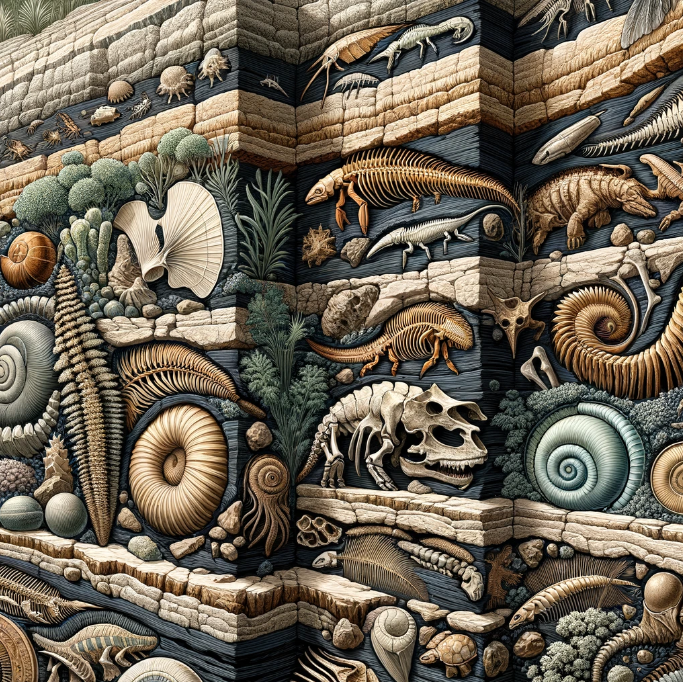
- Source and Credit for Pictures: Compiled from research using information at the sources stated throughout the text, together with information provided by machine-generated artificial intelligence at: bing.com [chat] and https://chat.openai.com. All pictures were drawn by DALL-E, a subset of ChatGPT. ↑
- Explanation: Bipedalism is a form of terrestrial locomotion where a tetrapod moves by means of its two rear limbs or legs. An animal or machine that usually moves in a bipedal manner is known as a biped, meaning ‘two feet’. Types of bipedal movement include walking or running and hopping. Source: https://en.wikipedia.org/wiki/Bipedalism ↑
- Explanation: The term hominin refers to a group within the evolutionary tree that includes all the species closely related to humans after the human lineage split from that of chimpanzees. This group encompasses all the species that are more closely related to humans than to chimpanzees and bonobos. It includes all members of our genus Homo, as well as our immediate ancestors and relatives, such as members of the genera Australopithecus, Ardipithecus, and Paranthropus. In simpler terms, hominins are the species that constitute the human branch of the primate family tree after our evolutionary paths diverged from those of the great apes. This distinction is based on various factors, including bipedalism (the ability to walk upright on two legs), as well as other morphological, behavioral, and genetic characteristics. Source: ChatGPT. ↑
- Explanation: The Phanerozoic is the current and the latest of the four geologic eons in the Earth‘s geologic time scale, covering the time period from 538.8 million years ago to the present time. It is the eon during which abundant animal and plant life has proliferated, diversified and colonised various niches
on the Earth’s surface, beginning with the Cambrian period when animals first developed hard shells that can be clearly preserved in the fossil record. The time before the Phanerozoic, collectively called the Precambrian, is now divided into the Hadean, Archaean and Proterozoic eons. Source: https://en.wikipedia.org/wiki/Phanerozoic ↑
- Explanation: The Quaternary is the current and most recent of the three periods of the Cenozoic Era in the geologic time scale of the International Commission on Stratigraphy. It follows the Neogene Period and spans from 2.58 million years ago to the present. Source: https://en.wikipedia.org/wiki/Quaternary ↑
- Explanation: The Mesozoic Era is the second-to-last era of Earth’s geological history, lasting from about 252 to 66 million years ago, comprising the Triassic, Jurassic and Cretaceous Periods. Source: https://en.wikipedia.org/wiki/Mesozoic ↑
- Explanation: The Paleozoic Era is the first of three geological eras of the Phanerozoic Eon. Beginning 538.8 million years ago, it succeeds the Neoproterozoic and ends 251.9 Ma at the start of the Mesozoic Era. Source: https://en.wikipedia.org/wiki/Paleozoic ↑
- Explanation: The Archean Eon, in older sources sometimes called the Archaeozoic, is the second of the four geologic eons of Earth’s history, preceded by the Hadean Eon and followed by the Proterozoic. The Archean represents the time period from 4,031 to 2,500 Ma. Source: https://en.wikipedia.org/wiki/Archean ↑
- Source: https://www.sciencealert.com/ancient-skull-found-in-china-is-unlike-any-human-seen-before ↑
